
A pipe clamp quote becomes faster and more accurate when the request includes the real installation conditions, not only a part name. Pipe OD, series, material, mounting method and environment can change the clamp body, base plate, bolt and delivery plan.
Use this checklist before sending an RFQ for DIN 3015 style pipe clamps, stainless clamps, twin clamps, heavy series clamps or custom mounting assemblies.
For an accurate quote, send tube OD, quantity, DIN series or application, material, fluid, pressure, temperature, mounting method, vibration, corrosion and certificate requirements.
Related product photos
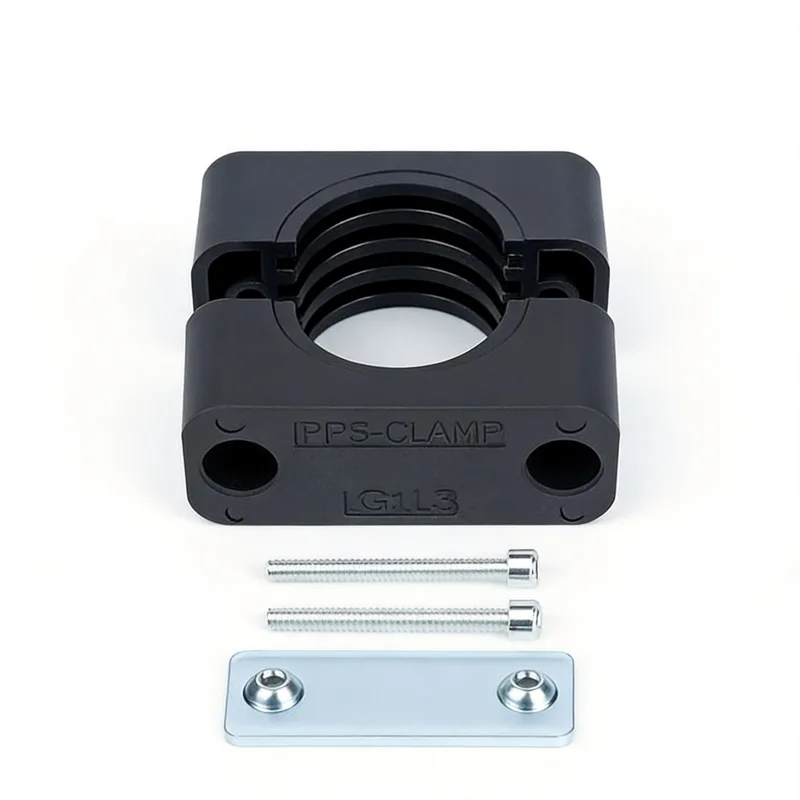
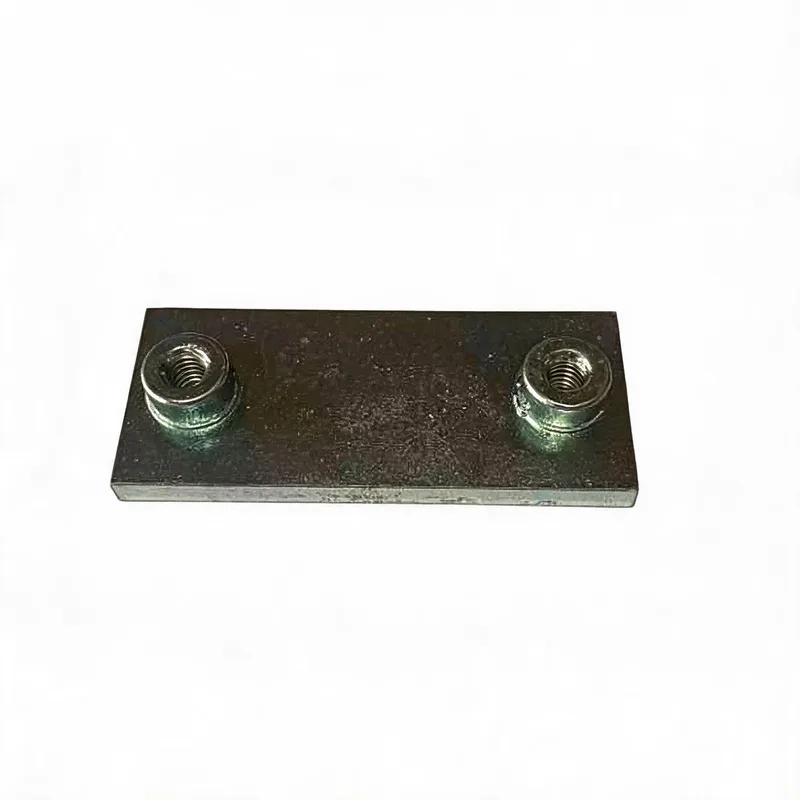
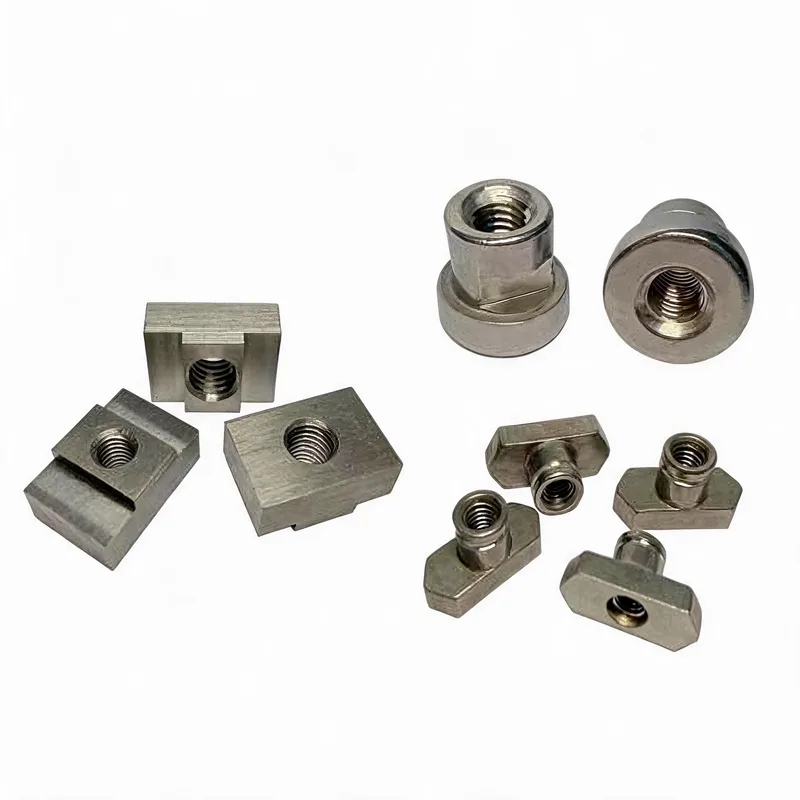
Typical use cases
- Send the pipe OD list and quantity for each size
- State the DIN series or application if the series is unknown
- Include material and environment requirements before price comparison
- Confirm mounting type: welded base, rail nut, stacking, cover plate or custom structure
- Share fluid, pressure, temperature and vibration notes when available
- Attach drawings or photos for replacement, retrofit or tight installation spaces
1. Pipe size and quantity
The most important data is the pipe outside diameter, not the nominal pipe size alone. Send each OD in millimeters, quantity per size, and whether the line uses metric tube, inch tube, hose or pipe. If the order includes mixed OD assemblies, mark D1 and D2 clearly.
2. Clamp series or working condition
If you already know the series, state DIN 3015-1 standard, DIN 3015-2 heavy, DIN 3015-3 twin, stainless, cushioned, metal or U-bolt. If not, describe the application: hydraulic power unit, shipbuilding, mobile equipment, compact machine frame, seawater line or general industrial pipe support.
3. Material and corrosion requirements
State clamp body material when specified: PP, PA, NBR cushion, aluminum, steel, stainless steel, 316 or 316L. Also state whether base plates, rails, cover plates and bolts must match the same material. For marine, washdown or chemical service, describe salt, humidity, chemicals and required certificates.
4. Mounting and hardware scope
A quote can include only clamp bodies or a full set with welded base, rail nut, mounting rail, cover plate, bolts and stacking parts. State the mounting method, bolt preference, rail length if needed and whether the clamp is single-layer, stacked or mounted to a customer frame.
5. Service conditions
When available, provide fluid, pressure, temperature, ambient temperature, vibration source, indoor or outdoor location, UV exposure, cleaning chemicals and whether the line is horizontal, vertical or installed on mobile equipment. This helps avoid under-specifying material or support strength.
6. Drawings, photos and replacement notes
For replacement projects, send the old part number, photo, clamp dimensions, bolt size and failure reason if known. For new installations, a route drawing or installation photo helps confirm spacing, base type, stack height and interference with nearby valves or bends.
Related WeiQue series


Recommended reading
References
These pages summarize public standard metadata and industry application information. They do not reproduce the paid DIN standard text.