
DIN 3015 clamp bodies are normally selected around the actual outside diameter of the rigid tube or pipe at the support point. A nominal pipe label alone may not identify that diameter.
The most reliable RFQ starts with a measured OD in millimeters, followed by the required series, body material, mounting method and operating condition.
DIN 3015 clamp bore is normally selected from the actual outside diameter at the support point, not directly from DN, NPS, thread size or hose nominal ID.
Related product photos
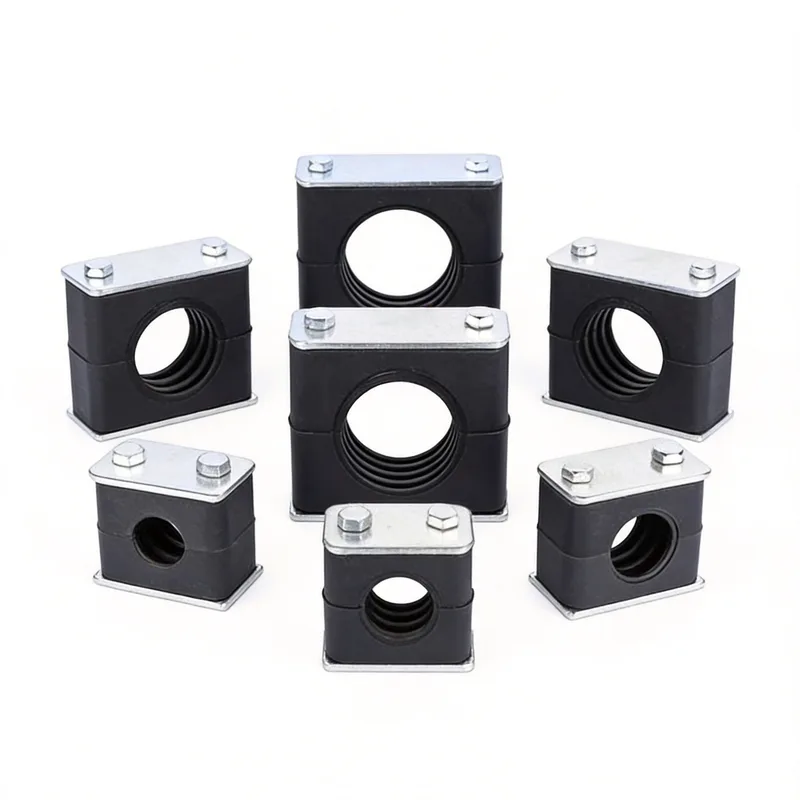
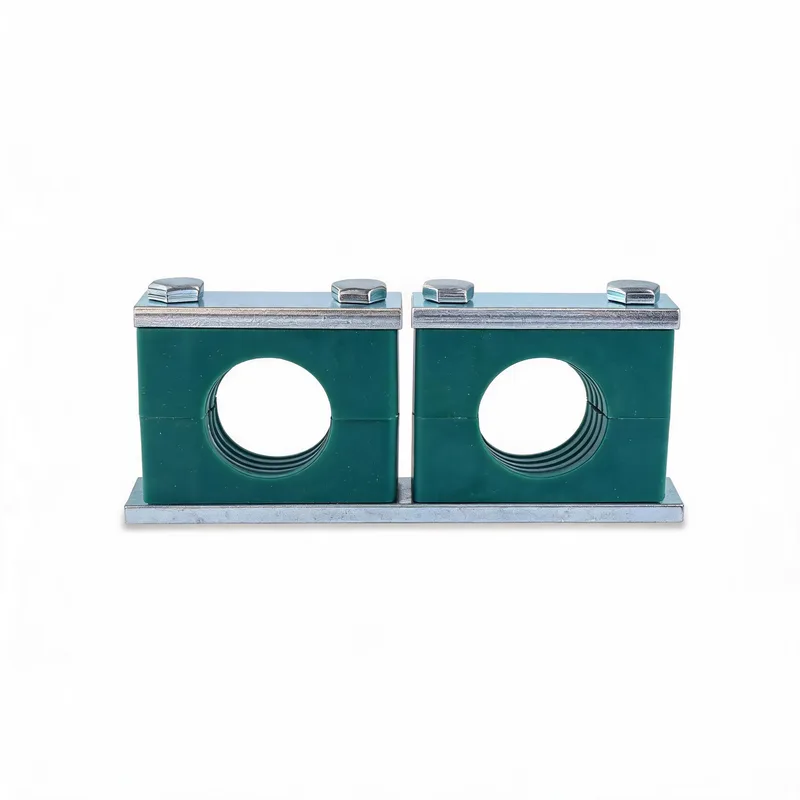
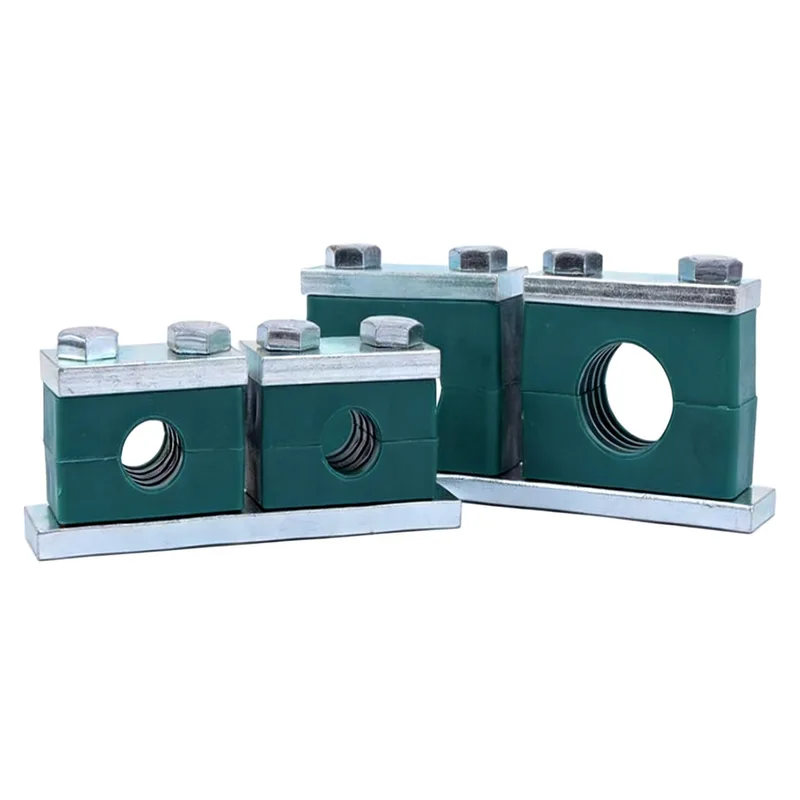
Typical use cases
- Measure the bare tube, not a fitting, nut, hose cover or damaged clamp body
- Do not assume DN, NPS or thread size equals tube OD
- State the unit and tube standard when the drawing uses inch dimensions
- Confirm standard, heavy or twin series after OD is known
Which dimension should be used?
| Dimension shown | Can it select the clamp directly? | Required action |
|---|---|---|
| Measured tube OD | Usually yes | Record the value and unit, then check tolerance |
| DN or NPS | No | Look up or measure the corresponding actual OD |
| Hose dash or nominal ID | No | Confirm hose cover OD and whether a hose clamp is intended |
| Old clamp marking | Only after verification | Cross-check OD, series and mounting dimensions |
A clamp bore must fit the supported surface. Nominal system labels are useful references, but they do not replace the actual OD.
1. Measure the tube correctly
Use a caliper on a clean, round section of bare tube. Measure in two directions if the tube may be oval, and avoid paint buildup, corrosion scale, weld seams and fitting ends. Record the unit and reasonable tolerance.
2. Separate OD from nominal pipe size
DN and NPS identify nominal piping systems, while the outside diameter follows the applicable pipe standard. Thread labels describe a connection, not necessarily the tube under the clamp. Convert the designation to an OD or measure the installed tube.
3. Check fit, tolerance and insert type
The clamp should support the tube without relying on excessive bolt force to close an undersized bore. Also confirm whether the body is smooth, ribbed or fitted with a damping insert because the effective contact and compression behavior can differ.
4. RFQ data for accurate sizing
Send measured OD and unit, tube material and standard, quantity, preferred DIN 3015 series, body material, mounting method, fluid, pressure, temperature, vibration and corrosion exposure. Add a drawing or photo with a scale for unusual replacements.
Frequently asked questions
Should a DIN 3015 clamp be selected by pipe ID or OD?
Use the actual outside diameter at the support point. Inside diameter, DN, NPS and thread size do not directly define the required clamp bore.
What if the measured OD falls between two listed clamp sizes?
Do not force the smaller size or assume the larger size is acceptable. Send the measured OD and tolerance to confirm an available bore, insert or custom option.
Related WeiQue series


Recommended reading
References
These pages summarize public standard metadata and industry application information. They do not reproduce the paid DIN standard text.