
A DIN 3015 pipe clamp is normally specified as a system, not only as two clamp halves. The required accessory set changes with clamp series, mounting method, support structure, vibration and corrosion exposure.
Before ordering, define the full bill of materials. This prevents missing cover plates, incompatible rail nuts, wrong bolt lengths and site delays caused by incomplete assemblies.
Pipe clamp accessories at a glance
Typical use cases
- Match every accessory to the clamp series and size group
- Define mounting hardware together with the support structure
- Confirm bolt length, thread and finish for the actual assembly
- State clearly whether the quote needs bodies only or a complete set
Accessory selection overview
| Accessory | Function | Main compatibility check | RFQ detail |
|---|---|---|---|
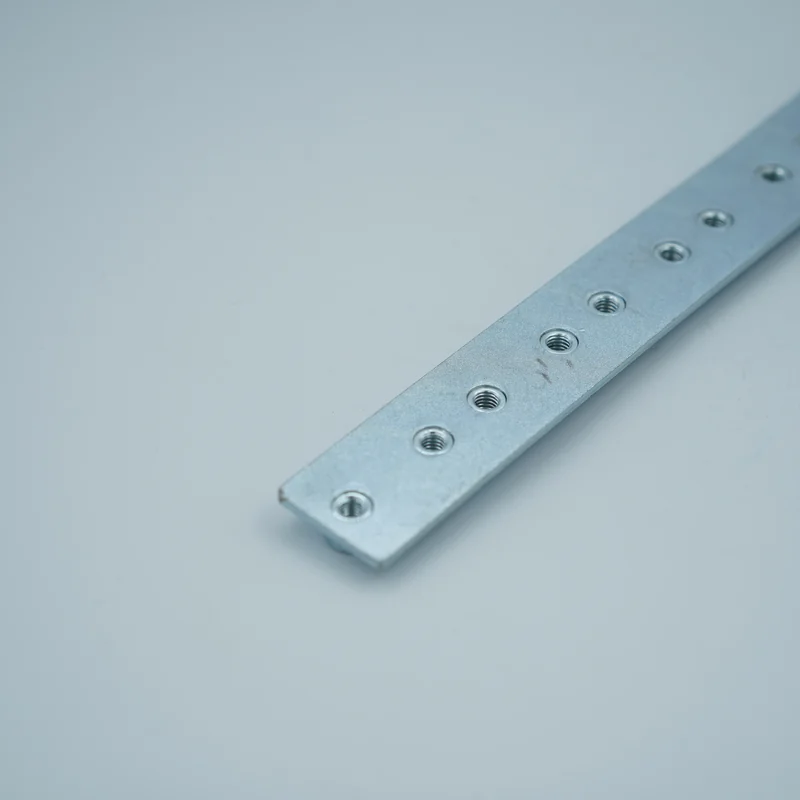
| Base plate | Transfers clamp load to the support structure | Series, size, hole pitch, plate thickness and mounting surface | Welded, long, twin, multi-hole or customer bracket |
| Cover plate | Spreads bolt load across the upper clamp body | Clamp series, size, width, hole spacing and bolt diameter | Standard, twin or heavy-series cover |
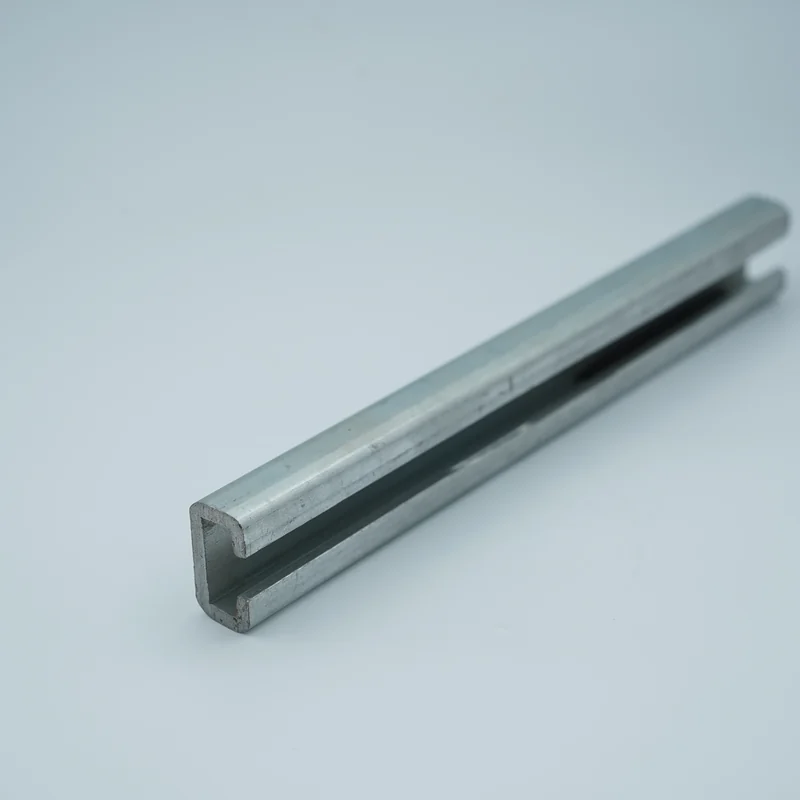
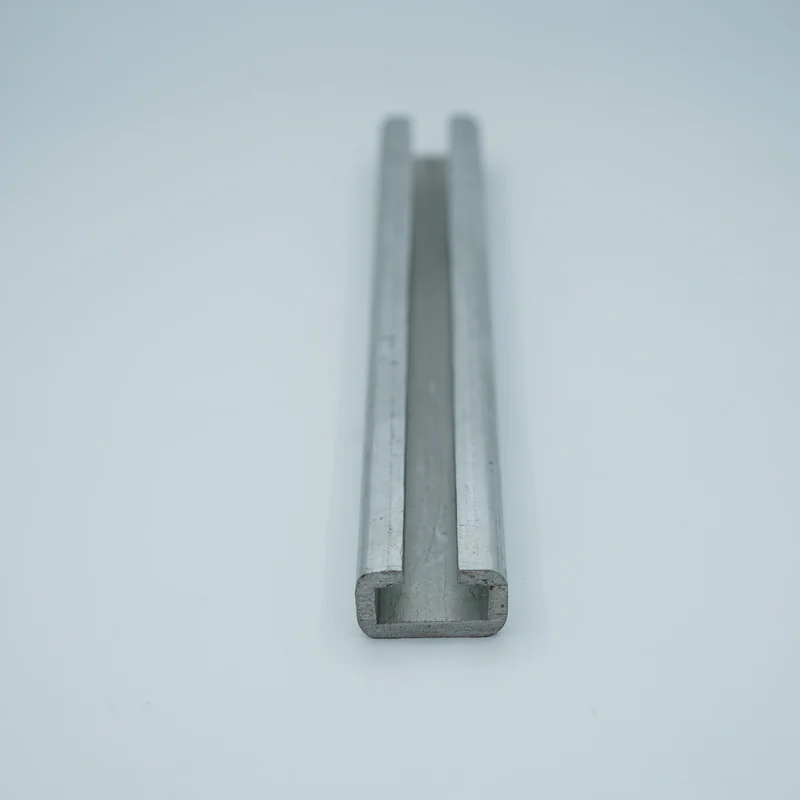
| Mounting rail + rail nut | Provides adjustable clamp positioning | Rail profile, nut type, clamp series, load direction and end restraint | Rail profile and length, nut quantity and finish |
| Stacking bolt + locking plate | Builds two or more clamp layers | Series, number of layers, body height, thread and service access | Layer count, bolt length, locking method and total quantity |
Accessories from different clamp series or size groups may look similar but are not automatically interchangeable.
Bodies only vs complete assemblies
A bodies-only quote normally includes the upper and lower clamp halves. A complete assembly can also include the base plate or rail nut, cover plate, bolts, washers, locking parts and mounting rail. State the required supply scope on every RFQ and purchase order.
Choose the correct base plate
Use welded plates for fixed points, long or multi-hole plates where the support interface requires more footprint, and twin plates for paired clamps. Confirm hole pitch, plate thickness, weldability, coating repair and whether the base matches the clamp series and size.
Match cover plates and bolts as a set
The cover plate distributes bolt load and must match the clamp width, hole spacing and bolt diameter. Bolt length depends on the body height, cover, base or rail nut, washers and number of stacking layers. Do not select bolt length from pipe OD alone.
Rail mounting needs a compatible system
Specify the mounting rail profile and length together with the matching rail nuts, clamp series, quantity, corrosion finish and end restraint. A rail nut that fits physically may still be unsuitable for the required load or clamp series.
Complete BOM example for an RFQ
For each support point, list clamp series and size, pipe OD, body material, quantity of clamp halves, base plate or rail nut, cover plate, bolt type and length, washers, locking plate, mounting rail length and finish. Add vibration, corrosion, certificate and drawing requirements.
Related WeiQue series


Recommended reading
References
These pages summarize public standard metadata and industry application information. They do not reproduce the paid DIN standard text.