
Fasteners look simple, but purchasing mistakes often start with small missing details: thread standard, property class, coating, mating nut, washer, installation environment or certificate requirement.
This knowledge base is organized as a practical FAQ so buyers and engineers can quickly narrow the specification before sending an RFQ or comparing supplier offers.
Related product photos
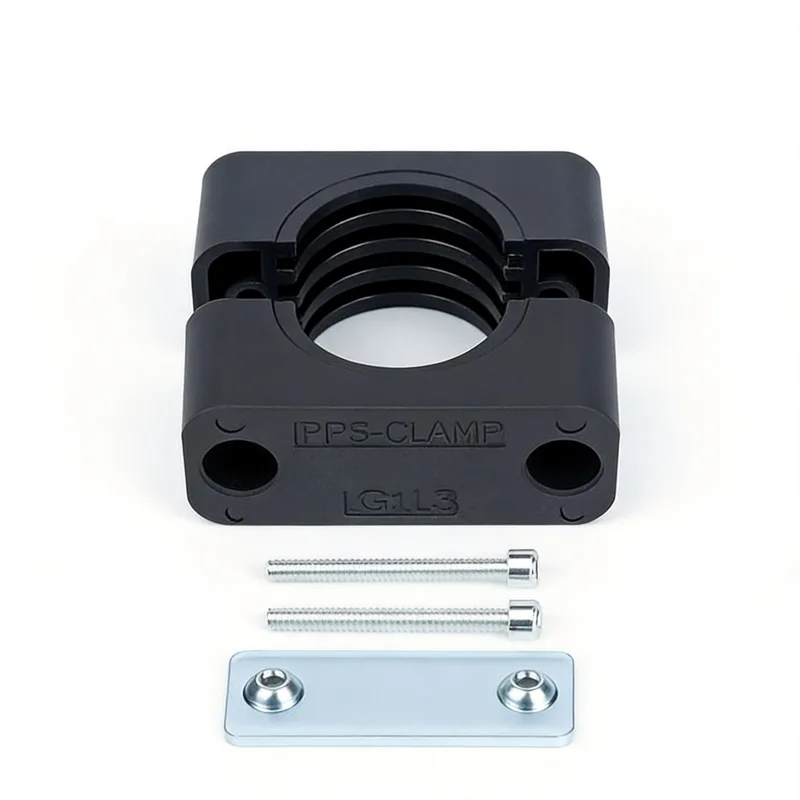
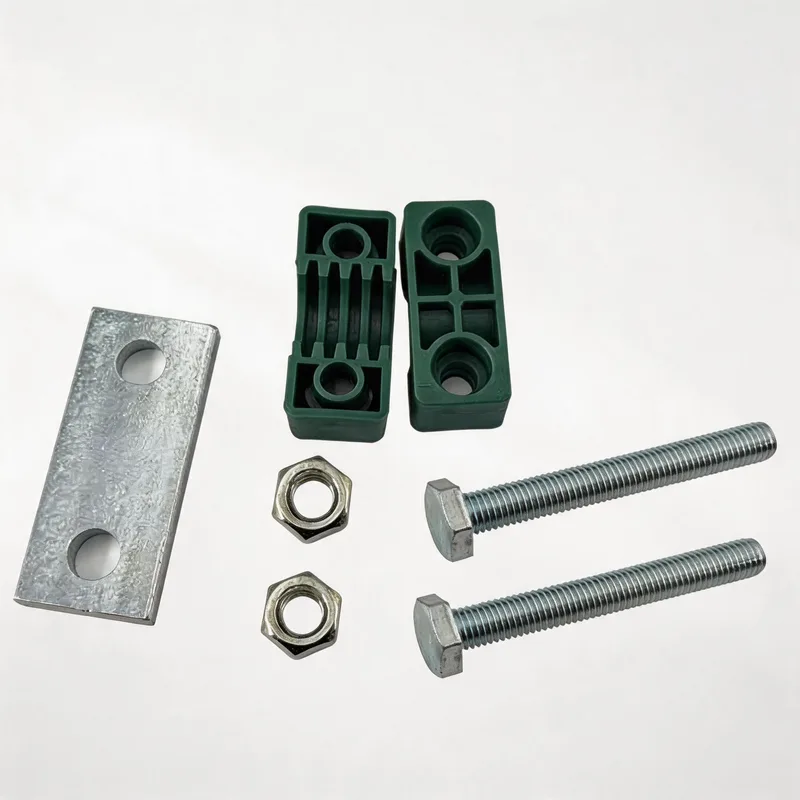
Enter by engineering question
Material and corrosion path
Start here when the question is stainless, zinc plating, hot-dip galvanizing, chloride exposure or marine service.
Strength and assembly path
Use this path for 8.8, 10.9, 12.9, nut matching, washer hardness, preload and substitution checks.
Clamp hardware path
Connect fastener choices back to clamp material, RFQ data and stainless pipe clamp assemblies.
From common questions to complete selection guides
Browse by purchasing question
Typical use cases
- Bolts, screws, studs, nuts, washers and clamp hardware
- Metric classes such as 8.8, 10.9 and 12.9, plus stainless A2/A4 classes
- Zinc plating, hot-dip galvanizing, stainless steel and corrosion checks
- RFQ data that helps avoid wrong substitutes and incomplete quotations
How to use this fastener FAQ
Start with the function of the joint: clamping, locating, adjustment, vibration resistance, corrosion resistance or replacement. Then confirm thread, size, property class, material, coating, mating nut or washer, installation method and certificate needs together.
Do not choose by diameter alone
Two fasteners with the same diameter can have different thread pitch, strength class, head style, coating thickness and corrosion behavior. A correct substitute should match the load path and service condition, not only the visible size.
A simple selection workflow
For a new fastener, define the joint function first, then choose the standard, diameter, pitch, length, property class, material and coating. After that, confirm the mating nut, washer, tightening method, inspection requirement and packaging. This order helps avoid choosing a strong bolt that does not actually fit the joint.
Pipe clamp hardware needs the same review
On pipe clamp assemblies, the clamp body, base plate, rail nut, cover plate and bolts work together. If the clamp is used outdoors, near seawater, around coolant or on vibrating equipment, review the bolt material, coating and locking method together with the clamp series.
Basic terms
What is the difference between a bolt, screw and stud?
In daily purchasing, a bolt is usually used with a nut or threaded part, a screw is driven into a threaded or formed hole, and a stud has threads on both ends or along its length. The exact definition can vary by standard, so drawings and part numbers remain important.
What fastener data should appear on a drawing?
List the standard or drawing number, nominal diameter, pitch, length, head style, property class, material, coating, washer or nut requirement, quantity and any inspection or certificate requirement.
When should a washer be specified?
Use a washer when the joint needs a larger bearing area, protection of the clamped surface, more consistent tightening or a defined locking method. The washer hardness and coating should be compatible with the bolt and joint surface.
How do I read M8 x 1.25 x 30?
M8 is the nominal metric thread diameter, 1.25 is the thread pitch in millimeters, and 30 is the nominal length. Some standards measure length from under the head, while countersunk screws are often measured including the head, so the drawing standard should be checked.
What is the difference between full thread and partial thread?
A fully threaded fastener has thread along most of the shank, which is useful for adjustment or shorter grip lengths. A partially threaded bolt has an unthreaded shank under the head, which can improve bearing in shear or locate parts more accurately when the joint is designed for it.
Strength class and material
What do metric bolt classes such as 8.8, 10.9 and 12.9 mean?
They are property classes for carbon and alloy steel fasteners. In simplified purchasing terms, higher classes generally indicate higher tensile strength and yield ratio, but they also require correct matching nuts, washers, tightening control and service checks.
Read the full guideCan stainless steel fasteners replace 10.9 carbon steel bolts?
Usually no. Stainless grades are chosen mainly for corrosion resistance, while 10.9 is a high-strength carbon/alloy steel property class. If both corrosion resistance and high strength are required, the joint should be reviewed by engineering.
What is the difference between A2 and A4 stainless fasteners?
A2 is a common austenitic stainless choice for general corrosion resistance. A4 is commonly selected for better chloride and marine resistance. Final selection still depends on temperature, chemicals, crevice risk and required strength class.
Read the full guideShould nut class match bolt class?
Yes, the nut should be compatible with the bolt property class and the joint design. A high-strength bolt with an unsuitable nut can strip threads or fail before the intended preload is reached. For controlled joints, specify the nut standard and property class together with the bolt.
What does A2-70 or A4-80 mean?
A2 or A4 identifies the stainless steel group, while 70 or 80 indicates the strength class used for stainless fasteners. The number is not the same system as carbon steel classes such as 8.8 or 10.9, so do not compare them by name alone.
Coating and corrosion
Is zinc plating enough for outdoor use?
Zinc plating is common for general indoor or mildly exposed service, but outdoor, marine, chemical or washdown environments may need thicker coating, hot-dip galvanizing, stainless steel or a project-specific corrosion system.
Read the full guideCan coating thickness affect thread fit?
Yes. Coating adds material to the thread flanks and can tighten the fit, especially on small sizes or hot-dip galvanized parts. Confirm tolerance, nut compatibility and whether oversize tapping or matched nuts are needed.
When is stainless steel still at risk of corrosion?
Stainless steel can still suffer pitting, crevice corrosion or galvanic corrosion in chloride, seawater, stagnant moisture or mixed-metal joints. Grade, surface finish, drainage and contact materials all matter.
Zinc plated or hot-dip galvanized: which is better?
Zinc plating is thinner and cleaner for many machine assemblies. Hot-dip galvanizing gives a thicker protective layer for outdoor steelwork, but it can affect thread fit and appearance. The choice depends on corrosion exposure, tolerance, assembly method and customer specification.
What is hydrogen embrittlement risk?
High-strength steel fasteners can be sensitive to hydrogen introduced during processing or service. Certain plating or pickling steps may need controlled processing and baking. For high-strength or safety-related parts, confirm the coating route and inspection requirement with the supplier.
Threads, tightening and locking
Coarse thread or fine thread: which should I choose?
Coarse thread is more common and easier for general assembly. Fine thread can help with adjustment, limited engagement length or some vibration-sensitive joints, but it is more sensitive to damage and contamination.
Why is torque alone not always enough?
Torque is affected by friction, lubrication, coating, washer face and thread condition. Critical joints may need a defined tightening method, lubricant condition, torque-angle control or preload verification.
What locking method should be used for vibration?
Options include prevailing-torque nuts, thread-locking adhesive, wedge-lock washers, serrated interfaces or design changes that maintain preload. The right choice depends on reuse, temperature, surface hardness and service access.
When should thread-locking adhesive be avoided?
Avoid or review thread-locking adhesive where temperature, oil contamination, frequent disassembly, plastic contact, food or clean-room rules, or customer maintenance procedures conflict with it. Adhesive also does not compensate for an incorrectly designed joint.
Why can stainless threads gall during assembly?
Stainless threads can gall because similar surfaces slide under pressure and heat. Slow assembly speed, correct lubrication, compatible grades and clean threads can reduce the risk. Do not force the joint if tightening suddenly becomes rough.
RFQ and inspection
What should I send for a fastener quotation?
Send standard or drawing, size, pitch, length, head style, property class, material, coating, quantity, packaging, certificates, inspection level and the application environment. Photos of the old part help only when dimensions are confirmed.
When is a material certificate needed?
Certificates are commonly required for safety-critical, export, marine, pressure equipment, structural or customer-controlled projects. Tell the supplier early because certificate level can affect lead time and cost.
Why should substitutions be approved?
A cheaper or visually similar fastener may differ in strength, coating, thread tolerance, hydrogen embrittlement risk or corrosion behavior. Substitutions should be checked against the drawing and real joint function.
What should be checked on incoming fasteners?
Typical checks include label, quantity, size, pitch, length, head style, marking, coating appearance, thread damage, certificate match and packaging condition. For controlled parts, add hardness, mechanical properties, coating thickness or salt-spray requirements according to the purchase specification.
Why does packaging matter for fasteners?
Poor packaging can mix sizes, damage threads, scratch coatings or lose traceability labels. For export or production-line use, specify carton weight, small-bag quantity, labels, moisture protection and whether different items must be packed separately.
Related WeiQue series


Recommended reading
References
These notes summarize public standard metadata and practical purchasing checks. They do not reproduce paid standard text or replace project engineering approval.