
Metric property classes such as 8.8, 10.9 and 12.9 describe mechanical strength, but a higher number is not automatically a better choice for every joint.
The bolt class must work with the nut, washer, clamped parts, tightening method, coating, temperature and service load. This guide helps buyers and engineers compare the common classes before approving an RFQ or substitution.
Related product photos
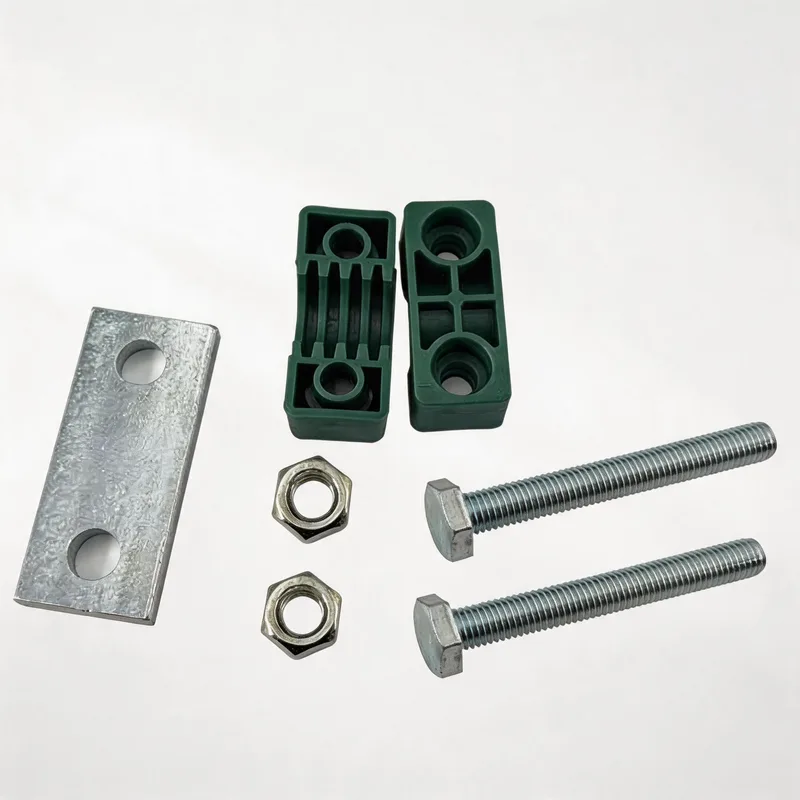
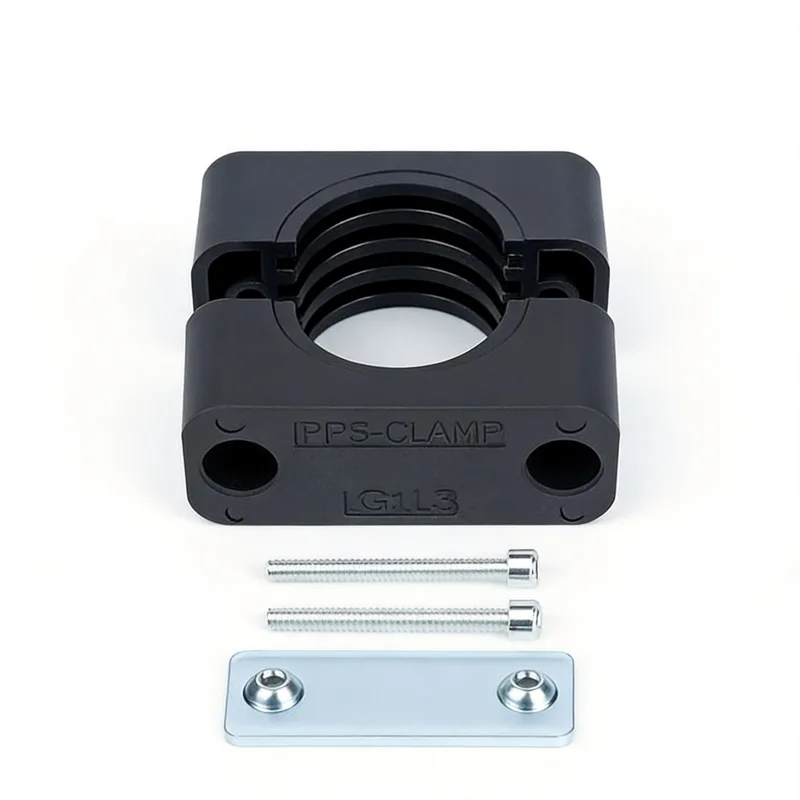
Typical use cases
- 8.8 is a common general-purpose high-strength class for industrial assemblies
- 10.9 provides higher strength where the joint and tightening method support it
- 12.9 is commonly used for highly loaded socket screws and controlled joints
- Always specify compatible nuts, washers, coating and certificate requirements
Quick comparison
| Class | Nominal tensile strength | Approx. yield strength | Common use | Selection note |
|---|---|---|---|---|
| 8.8 | 800 MPa | 640 MPa | Machinery, brackets and general pipe clamp assemblies | Practical general-purpose starting point |
| 10.9 | 1,000 MPa | 900 MPa | Mobile equipment, compact or highly loaded joints | Review nuts, washers, preload and fatigue |
| 12.9 | 1,200 MPa | 1,080 MPa | High-strength socket screws and controlled joints | Needs tighter process and corrosion control |
Values are simplified nominal comparisons for common understanding. Confirm exact requirements, diameter ranges and test rules against the applicable standard.
What the two numbers mean
In simplified terms, the first number relates to nominal tensile strength and the second relates to the yield-strength ratio. For example, class 8.8 indicates a nominal tensile strength around 800 MPa and a yield ratio around 0.8. Exact requirements, test methods and size limits should be confirmed against the applicable standard.
When class 8.8 is a practical choice
Class 8.8 is widely used for machinery, brackets, pipe clamp assemblies and general industrial joints where good strength and practical assembly are required. It is often a sensible starting point when the drawing does not demand a higher class and the joint is not highly weight-sensitive or severely loaded.
When class 10.9 may be needed
Class 10.9 may be selected for higher preload, compact joints, mobile equipment or heavily loaded machinery. Upgrading from 8.8 to 10.9 should include a review of the nut class, washer hardness, thread engagement, clamped material, tightening method and fatigue loading.
When class 12.9 needs extra control
Class 12.9 is commonly associated with high-strength socket head screws and compact, highly loaded joints. Its higher strength can be useful, but the joint becomes less forgiving of incorrect tightening, unsuitable mating parts, surface damage, corrosion exposure or hydrogen embrittlement risk.
Why a higher class is not always a direct substitute
A stronger bolt can transfer more load into the nut, washer, threads and clamped parts. If those parts are not designed for the higher preload, threads may strip, soft surfaces may embed, thin brackets may deform or fatigue performance may become worse. Substitutions should follow the drawing and joint function, not only the bolt marking.
Matching nuts, washers and thread engagement
Specify a nut property class compatible with the bolt and use washers with suitable hardness and bearing area where required. Also confirm sufficient thread engagement in nuts, tapped holes and rail nuts. A high-strength bolt cannot compensate for weak threads or an undersized bearing surface.
Tightening, coating and lubrication matter
Torque values depend heavily on friction from the coating, lubricant, thread condition and bearing surface. The same torque can create different preload on plain, zinc-plated or lubricated bolts. For controlled joints, state the surface condition and tightening method instead of specifying a torque number alone.
RFQ and substitution checklist
Send the fastener standard or drawing, thread size and pitch, length, head style, property class, nut and washer requirements, coating, quantity, service environment, tightening method and certificate needs. For a substitution, also state the original part marking and why the change is being considered.
Frequently asked questions
Can I replace an 8.8 bolt with 10.9?
Only after checking the joint. A 10.9 bolt can create higher preload and may require a compatible nut, harder washer, sufficient thread engagement and controlled tightening.
Is 12.9 always stronger and better?
No. Class 12.9 is useful in compact, highly loaded joints, but it is less forgiving of poor tightening, corrosion exposure, unsuitable mating parts or hydrogen embrittlement risk.
What should be included in a bolt class RFQ?
Include standard or drawing, thread size, pitch, length, head style, property class, nut and washer requirements, coating, quantity, service environment, tightening method and certificate needs.
Related WeiQue series


Recommended reading
References
This guide summarizes practical selection checks and public standard metadata. Final joint design, tightening values and substitutions should be approved against the applicable standard and project requirements.