
A visible gap between DIN 3015 clamp halves is not automatically a defect. Clamp body geometry, tube OD, material compression and the manufacturer’s assembly design determine the final condition.
The important questions are whether the correct parts are installed, the tube is centered, tightening is even and the approved preload or torque has been achieved without distortion.
Not necessarily. Some DIN 3015 clamp assemblies retain a designed gap after correct tightening, while other product geometries may close differently. Acceptance must follow the approved clamp size, assembly drawing and tightening instruction, not a visual rule that the two halves must touch.
Related product photos
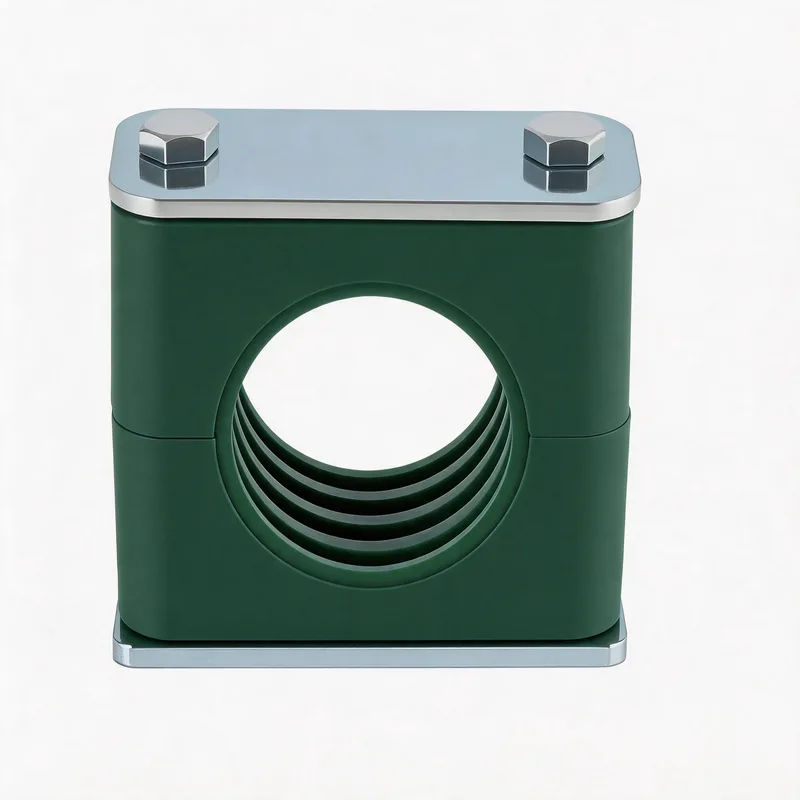
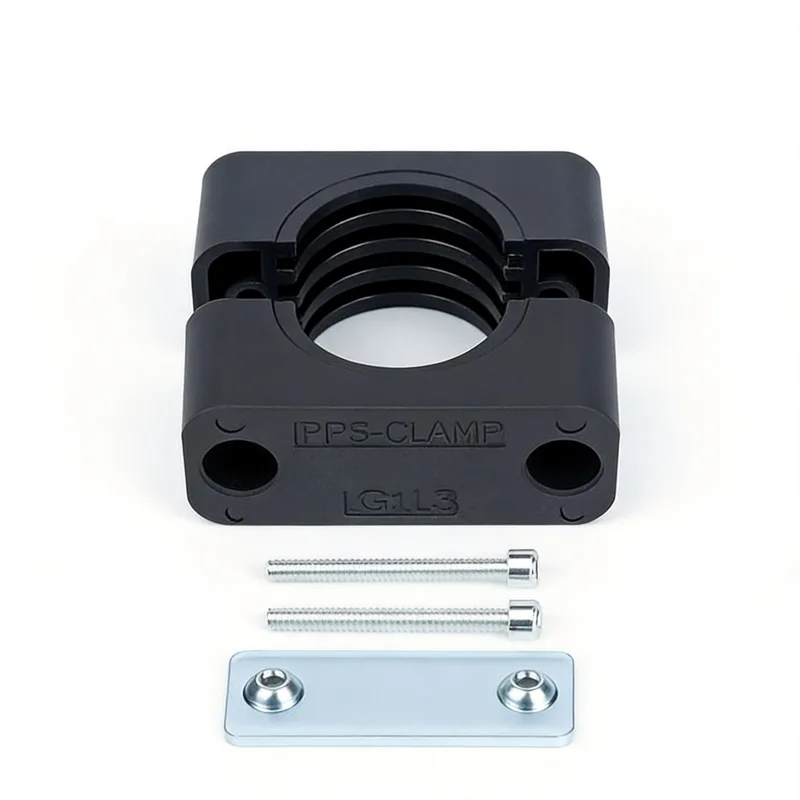
Typical use cases
- Do not use full visual contact as a universal acceptance rule
- Compare both sides for centering and even tightening
- Verify actual tube OD and the marked clamp bore
- Stop if extra torque bends plates or distorts the body
Gap-condition diagnosis
| Observed condition | Possible meaning | Check next |
|---|---|---|
| Small, generally even gap | May be normal for the approved assembly | Part code, OD, tightening instruction and plate position |
| One side nearly closed, the other wide | Uneven tightening, misalignment or trapped debris | Bolt engagement, cover plate, tube centering and mating faces |
| Halves touch before approved torque | Bore may be too large, body worn or parts mismatched | Actual OD, bore size, body identity and tube movement |
| Large gap remains with plate or body distortion | Bore too small, obstruction, wrong hardware or forced assembly | Stop tightening; disassemble and verify all dimensions |
A gap is an observation, not a torque specification. Approved assembly data decides acceptance.
Confirm the complete assembly identity
Check the clamp series, group, bore marking, body material, cover plate, bolt size, base or rail hardware and actual tube OD. Mixed components can assemble physically while producing the wrong gap, thread engagement or load path.
Tighten evenly, not by appearance
Bring both bolts down progressively so the cover plate stays level and the tube remains centered. Use the approved tightening condition for coating, lubrication and locking method. Do not continue solely because a visible gap remains.
Read distortion and movement as warning signs
Bent cover plates, bulged clamp bodies, thread distress, forced bolt alignment or a tube that still slides after the halves touch indicate a fit or assembly problem. More torque can damage the tube, body or fastener without correcting the cause.
What to send for a fit review
Send the clamp code and markings, measured tube OD, front and side photos, gap on both sides, bolt and plate details, mounting method, tightening instruction used and whether the tube can rotate or slide after assembly.
Frequently asked questions
Is an equal gap on both sides required?
The assembly should normally remain centered and tighten evenly, but the acceptable gap and tolerance depend on the product geometry. A strongly uneven gap can indicate a cocked cover plate, cross-threaded bolt, wrong hardware, tube misalignment or debris between mating parts.
Should I tighten until the clamp halves touch?
No, unless the approved assembly instruction specifically requires that condition. Stop using extra torque as a visual correction; confirm the clamp bore, tube OD, bolt engagement and specified tightening method.
What if the halves touch but the tube still moves?
Treat it as a fit or application problem, not a request for more torque. Check actual tube OD, clamp bore, body wear, material, support function and whether the selected clamp is intended to restrain that direction of movement.
Related WeiQue series


Recommended reading
References
These pages summarize public standard metadata and industry application information. They do not reproduce the paid DIN standard text.