
A “marine-grade DIN 3015 clamp kit” should describe a complete support point, not just two clamp-body halves. Depending on the mounting method, the kit may include a cover plate, bolts, welded base plate or rail nuts, mounting rail, stacking hardware and a defined locking system.
Marine suitability also cannot be assigned from one stainless component. The clamp body, plate, base, bolts, nuts, washers, rail and adjacent structure must form a corrosion-compatible system for the actual seawater, salt-spray, deck, engine-room or offshore exposure.
This guide focuses on the purchasing and BOM decisions that distinguish an installation-ready kit from a body-only quotation. It complements, rather than repeats, the broader shipbuilding and marine application guide.
A marine DIN 3015 clamp kit should be defined as a per-point BOM: matching body halves, cover plate, bolts and the selected welded-base, rail or stacking hardware, with corrosion-compatible materials and stated certificate scope.
Related product photos
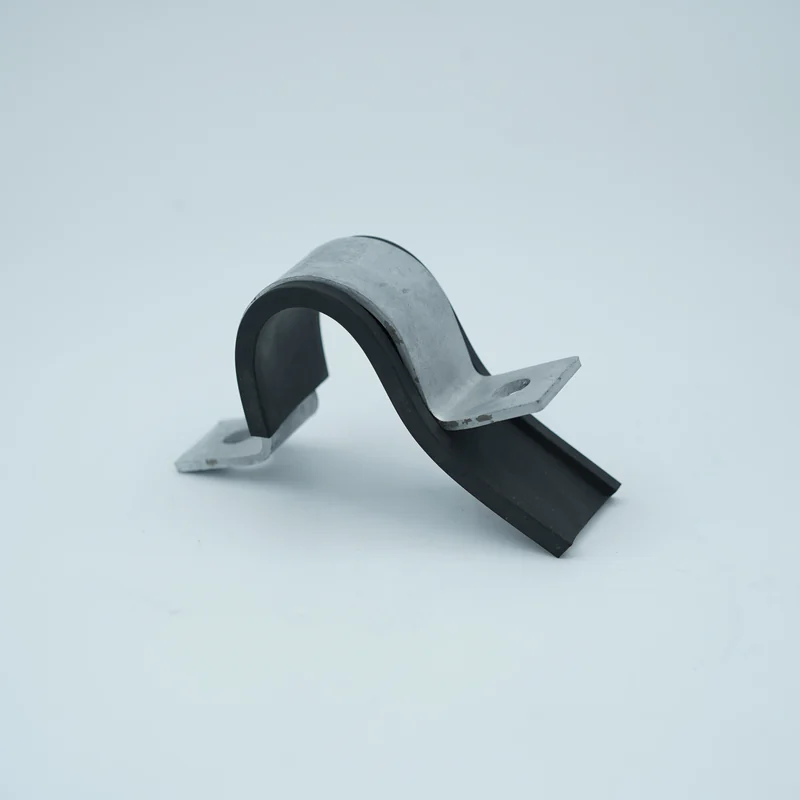
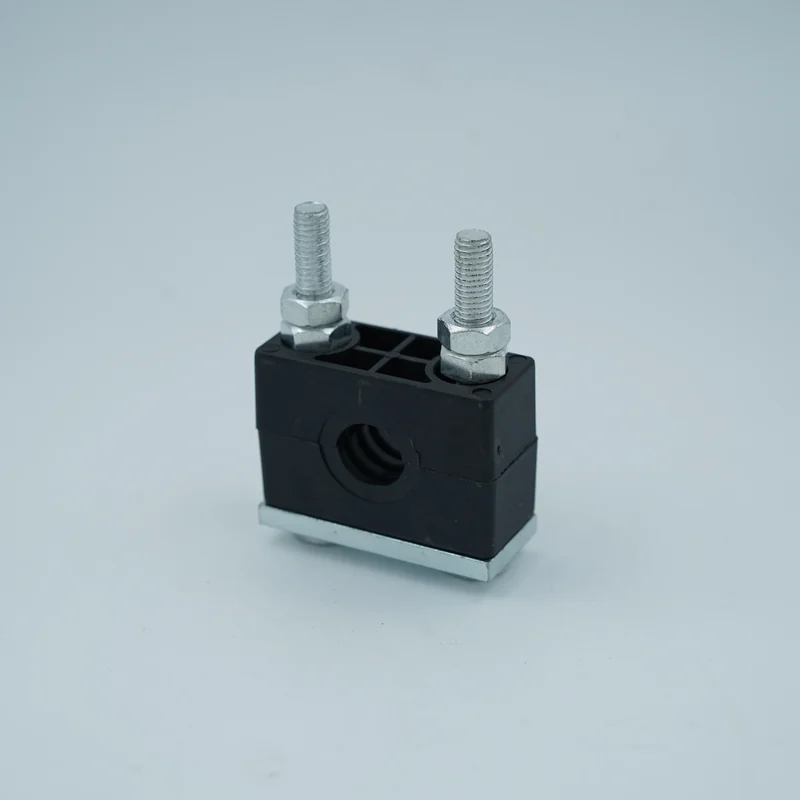
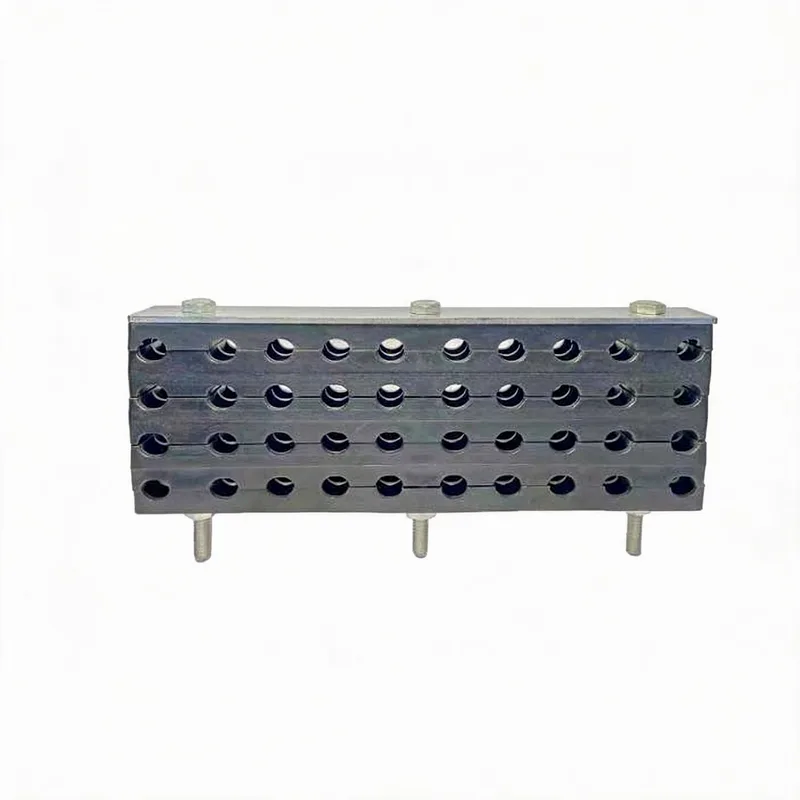
Typical use cases
- Define the kit per clamp point and mounting method
- Match every metallic component to the marine corrosion specification
- Select clamp series and bore from tube OD, load and vibration
- State certificate, traceability and locking requirements in the RFQ
Typical marine DIN 3015 kit scope
| Mounting method | Typical per-point BOM | Project check |
|---|---|---|
| Welded base | Body halves, cover plate, bolts and welded base | Welding procedure, base grade and surface restoration |
| Rail mounted | Body halves, cover plate, bolts, rail nuts and rail allocation | Rail section, nut engagement and galvanic interface |
| Stacked arrangement | Bodies, intermediate/cover plates, stacking bolts and base | Stack height, access, vibration and bolt bending |
| Body only on OEM bracket | Matched clamp halves; OEM supplies plates and bolts | Interface dimensions and responsibility split |
“Complete kit” is not a universal term. Attach a per-point BOM and mark which party supplies rails, brackets, weld studs, locking parts and installation consumables.
Select the DIN 3015 series before defining the kit
Start with actual tube OD, number of lines, tube and fluid mass, pressure pulsation, machinery vibration and available mounting space. Standard series is often suitable for smaller instrument, lubrication and moderate hydraulic lines; heavy series is reviewed for larger OD, higher dynamic load or severe vibration; twin series can organize matched parallel lines. Pressure alone does not select the series, and the body bore must match actual OD rather than DN or NPS.
Make the complete metallic stack corrosion-compatible
If the project calls for 316 or 316L hardware, identify every metallic item covered by that requirement: cover plate, base plate, bolts, nuts, washers, rail nuts, mounting rail and stacking parts. Mixed stainless and plated carbon-steel parts may create an early weak point. Where stainless contacts aluminum or galvanized structure, review galvanic isolation, drainage and coating repair. For continuously wet or submerged exposure, ask the project corrosion engineer to confirm the full material combination.
Certificates, traceability and installation controls
State whether EN 10204 material certificates, batch traceability, coating reports, dimensional inspection, salt-spray evidence or classification-society documentation are required. Keep certificate scope aligned with the actual components; a bolt certificate does not certify the base plate or rail. Installation instructions should define approved torque, thread lubricant or anti-galling method, locking parts, weld restoration, inspection marks and replacement criteria after disassembly.
RFQ data for a marine DIN 3015 clamp kit
Send tube OD, material and wall thickness; fluid and operating temperature; system pressure plus pulsation or vibration notes; standard, heavy or twin series preference; clamp body material; complete metallic material requirement; mounting method and per-point BOM; rail or bracket details; indoor, deck, splash-zone, engine-room or submerged exposure; locking and anti-galling method; certificate and classification requirements; quantity by size and configuration; packaging, identification and delivery schedule.
Frequently asked questions
What should a complete marine DIN 3015 clamp kit include?
Normally two matched body halves, cover plate, specified bolts and either a welded base or rail nuts, plus any rail allocation, stacking parts and locking components required by the mounting design.
Does a 316L bolt make the complete clamp kit marine grade?
No. Review every metallic component and interface, including plates, base, rail, nuts, washers and adjacent structure. The weakest incompatible or poorly protected part can control service life.
Should marine clamp kits include material certificates?
Include them when required by the project, owner or classification scope. State the EN 10204 type, components covered, lot traceability and any coating or inspection reports in the RFQ.
Related WeiQue series


Recommended reading
References
These pages summarize public standard metadata and industry application information. They do not reproduce the paid DIN standard text.