
PP and PA are two of the most common polymer body materials used in DIN 3015 style pipe clamps. Both can support hydraulic, pneumatic and general industrial lines, but they are not interchangeable in every service condition.
The right choice depends on temperature margin, vibration level, handling load, chemical exposure, outdoor environment and the purchasing requirement for cost, availability and replacement consistency.
Related product photos
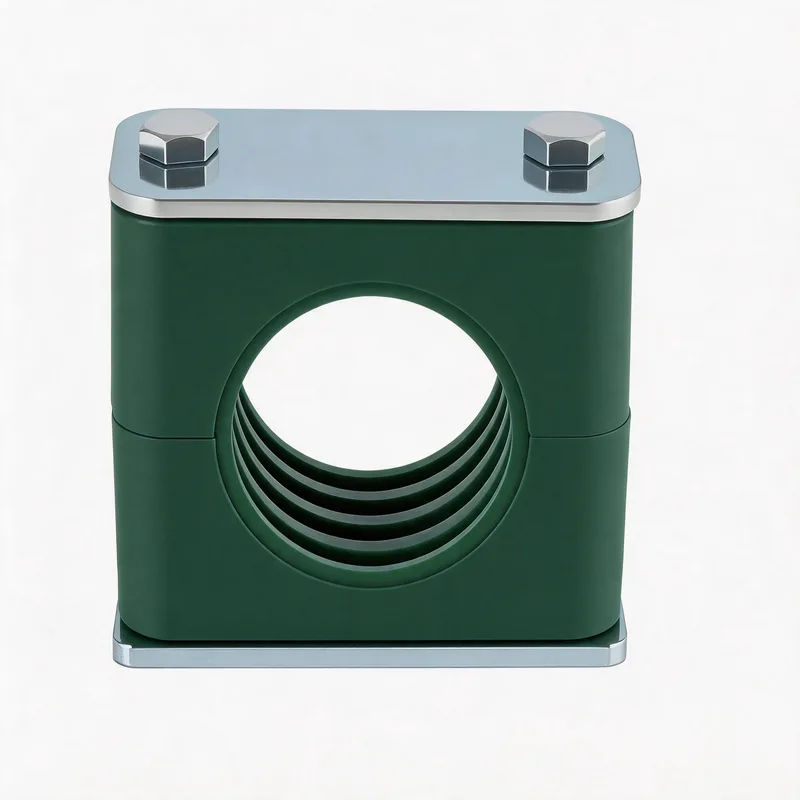
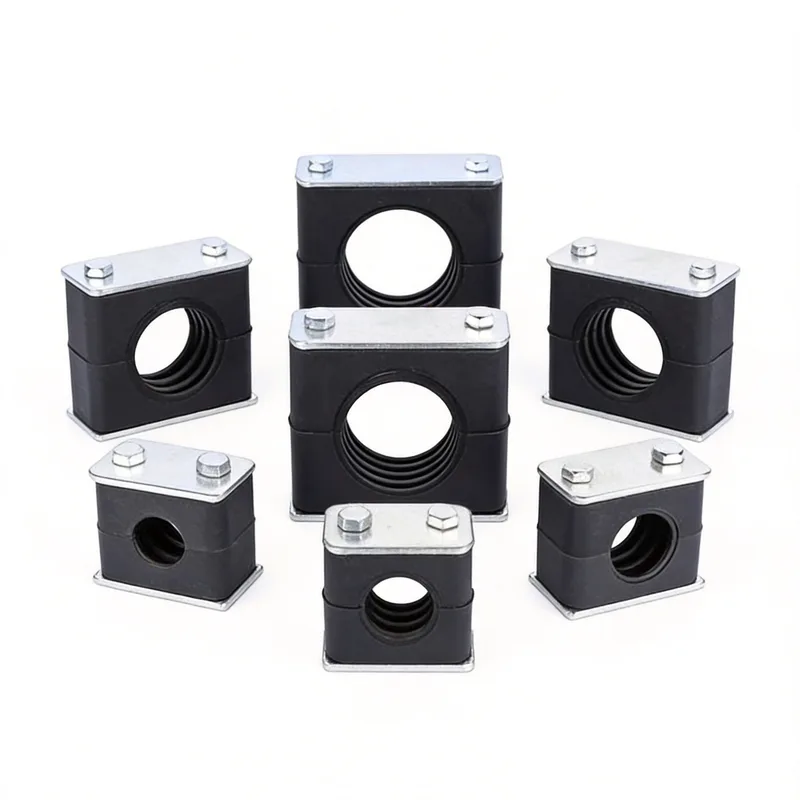
Typical use cases
- Choose PP for many standard hydraulic, pneumatic and indoor industrial lines
- Choose PA when toughness, temperature margin or repeated handling is more important
- Check fluid compatibility instead of assuming one polymer fits every medium
- Review outdoor, UV, washdown and chemical-vapor exposure before release
- Use the same material family consistently when replacing clamps in an existing installation
PP vs PA clamp body at a glance
| Property | PP (polypropylene) | PA (polyamide / nylon) |
|---|---|---|
| Toughness & impact | Good for moderate duty | Higher, better for repeated handling |
| Temperature margin | Lower upper-temperature margin | Higher temperature margin |
| Moisture behavior | Low moisture absorption, stable | Absorbs moisture; check dimensional stability |
| Chemical exposure | Good with many water-based and acidic media | Good with oils/fuels; verify with strong acids |
| Cost & availability | Economical, common stock material | Higher cost, selected for performance |
| Typical use | Standard indoor hydraulic, pneumatic, utility lines | Tougher, hotter or handling-intensive installations |
Material name alone does not confirm suitability. Confirm the exact fluid, temperature, outdoor/UV and washdown exposure before release.
Quick comparison
PP is usually the economical starting point for common-duty pipe supports. PA is usually selected when the installation needs more toughness, better mechanical behavior or additional temperature margin. Neither choice should be made from material name alone; the real service condition matters more.
When PP is usually enough
PP clamp bodies are commonly used for hydraulic oil, compressed air, water-based utility lines and general machine-building pipework where temperature, vibration and chemical exposure are moderate. They are practical for standard catalog builds, repeat purchasing and cost-sensitive projects.
When PA is the safer review point
PA is worth reviewing when the clamp body may see higher mechanical stress, repeated assembly, compact routing, mobile equipment vibration or a wider operating-temperature range. It can be a better fit where a standard PP body is close to its practical limit.
Temperature and vibration
Temperature and vibration should be reviewed together. A line near pumps, cylinders, compact power units or mobile frames may not have extreme temperature, but repeated pressure pulses and structure-borne vibration can still justify a tougher clamp body or a heavier clamp series.
Fluid and chemical exposure
Hydraulic oil service is often straightforward, but water-glycol fluids, fuels, cleaning chemicals, chemical vapor and outdoor contamination can change the decision. Ask for concentration, temperature and exposure duration when the clamp is near chemicals or washdown areas.
Purchasing and replacement notes
For repeat purchasing, keep PP and PA choices visible in the BOM instead of using only a generic clamp code. When replacing existing clamps, match the original material unless the site condition has changed or the previous material showed cracking, softening, discoloration or excessive wear.
RFQ information to send
Send pipe OD, clamp series, pipe material, fluid, operating temperature, ambient temperature, vibration source, indoor or outdoor location, washdown or chemical exposure, required certificates and whether the request is for a new build or replacement.
Related WeiQue series


Recommended reading
References
These pages summarize public standard metadata and industry application information. They do not reproduce the paid DIN standard text.