
A DIN 3015 pipe clamp RFQ fails when the supplier is forced to guess what the buyer means by "complete clamp", "same as drawing" or "for 1 inch pipe". The safest way to request a quotation is to define the installed clamp point in a short specification sheet.
Use the template below when you want suppliers to quote the same scope: actual tube OD, clamp series, body material, hardware, fastener grade, coating, certificate requirements, quantity and packing. It is deliberately practical, so a buyer can paste it into an email or spreadsheet without writing a long project specification.
A DIN 3015 pipe clamp specification sheet should define the installed clamp point, not only the clamp body: tube OD, series, material, mounting method, fasteners, finish, certificate scope, quantity and acceptance notes.
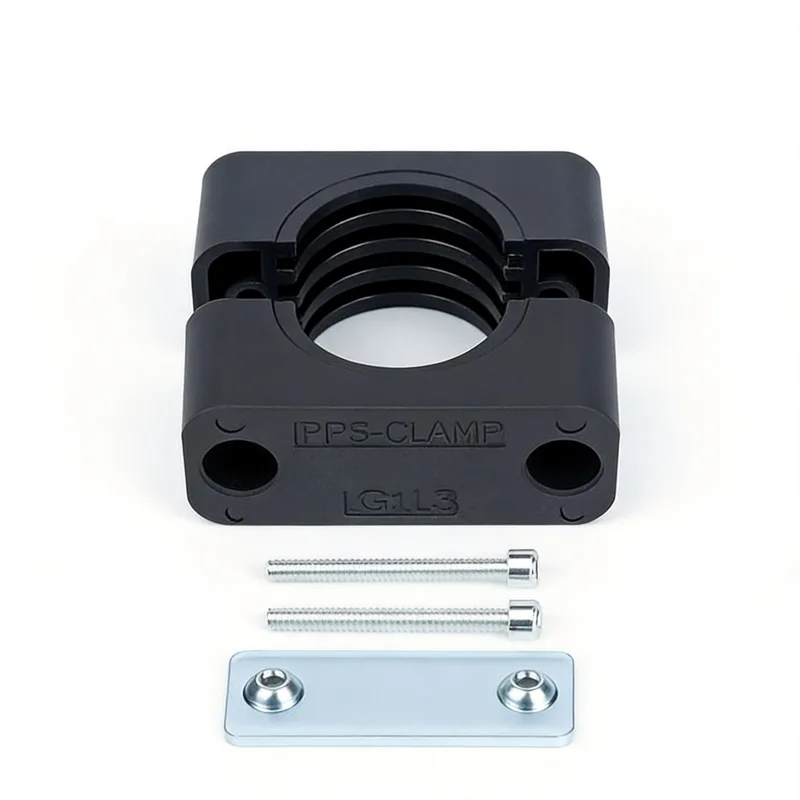
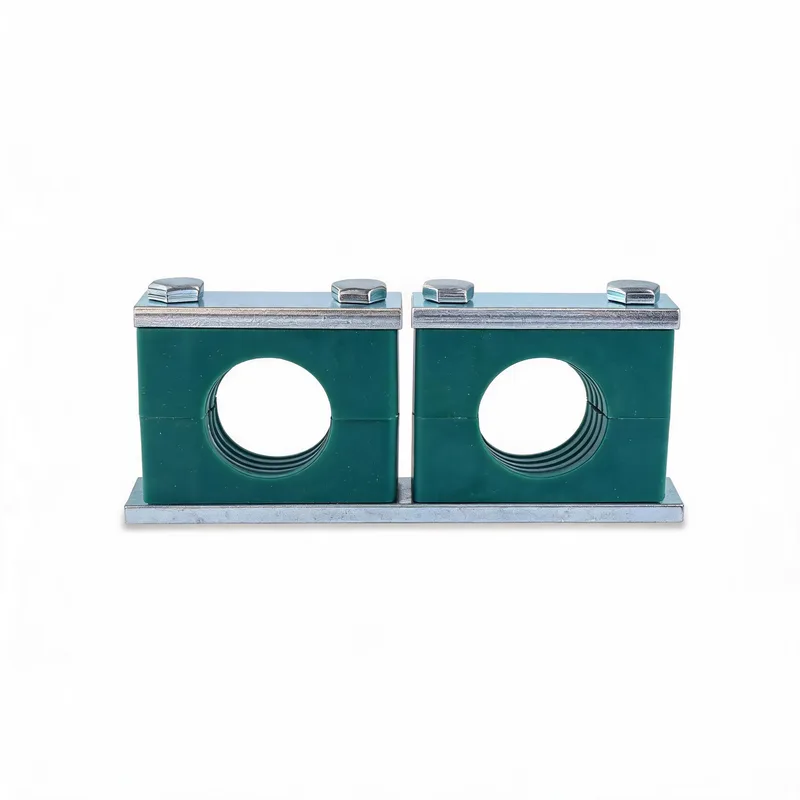
Specification scope photos
Copy-ready specification fields
| Field | What to Write | Example |
|---|---|---|
| Line / tag number | Use the line ID, skid location or drawing callout. | HPU-LP-012 |
| Actual tube OD | Measured or datasheet outside diameter at the clamp point. | 25.0 mm OD, not DN20 |
| DIN series | Standard, heavy or twin; or ask supplier to confirm from duty. | DIN 3015-1 standard |
| Body material | PP, PA, PA66-GF, aluminum, steel, stainless or cushioned insert. | Black PA body, NBR insert if needed |
| Mounting scope | Body only, welded base, rail nut, rail length, stacking or complete point. | Complete set with weld plate and cover plate |
| Fasteners / finish | Bolt size, grade, stainless grade, coating and locking method. | Class 8.8 zinc-plated, disc spring washer |
| Documents | Datasheet, drawing, EN 10204 3.1, inspection record or ISO certificate if required. | Material certificate for metal parts |
| Quantity / packing | Quantity per size and any label, kit packing or project packing requirement. | 120 points, packed by line number |
If a field is unknown, write "supplier to confirm" instead of leaving it blank. That turns an assumption into a visible engineering or commercial question.
Why a specification sheet improves quotation quality
A supplier can quote a clamp quickly only when the scope is visible. If the enquiry says only "DIN 3015 clamp for 25 mm pipe", the supplier still has to decide whether the buyer expects standard or heavy series, PP or PA body, body-only or complete assembly, weld plate or rail nut, zinc-plated or stainless bolts, and whether certificates are included. A specification sheet removes those guesses, so price differences between suppliers become meaningful.
Use actual OD, not nominal pipe labels
The most important field is the actual outside diameter at the clamp location. DN, NPS, NB, hose dash size and thread labels are useful references, but they do not define the clamp bore. If the line has paint, sleeve, insulation jacket or hose cover at the support point, state the finished OD and tell the supplier what is included in that value.
Define the installed assembly, not just the plastic body
A DIN 3015 clamp point may include two body halves, a cover plate, bolts, washers, weld plate, rail nut, mounting rail, stacking bolt, locking plate and labels. Some suppliers quote only body halves by default; others quote a complete set. The specification sheet should state the expected scope per support point so the purchase order matches the installation need.
When to ask the supplier to confirm
If the buyer does not know the correct series, material or mounting method, the RFQ should say so clearly and provide the duty: fluid, pressure, temperature, vibration source, environment, support surface and any drawing. A good supplier can then recommend a standard, heavy, twin, cushioned or stainless option and state the assumptions in the quotation.
Email format you can copy
Copy this line into an RFQ email: "Please quote DIN 3015 clamp assemblies for the attached schedule. For each item confirm actual bore, DIN series, body material, complete BOM, fastener grade/finish, certificate scope, unit price, MOQ, lead time, Incoterms and packing by line number. If any field is not sufficient for selection, mark it for supplier confirmation."
Frequently asked questions
Can I send only a pipe size and quantity for a DIN 3015 clamp quote?
You can, but the quote may need assumptions. A reliable specification sheet should at least separate actual tube OD, DIN series or application, body material, mounting method, fastener finish, certificate requirement and quantity.
Should the specification sheet list clamp bodies only or complete assemblies?
For purchasing, list the required installed assembly. State body halves, cover plate, bolts, welded base or rail nut, rail length, stacking parts and locking parts where needed. Body-only quotes are useful only when spare parts are intentionally being bought.
What field most often causes wrong clamp orders?
The actual outside diameter at the clamp point. DN, NPS, hose dash size and thread labels are not clamp bore dimensions. The specification should show the nominal label and the verified OD separately.
Related WeiQue series


Recommended reading
References
These pages summarize public standard metadata and industry application information. They do not reproduce the paid DIN standard text.