
Hydraulic skids concentrate pumps, manifolds, filters, accumulators and tube runs into a compact frame. The clamp order is often small compared with the main equipment, but a missing weld plate or wrong bore can stop assembly as effectively as a missing valve.
A clamp schedule prevents that by listing each support point as a purchasable item. It links the line ID and tube OD from the drawing to the correct DIN 3015 series, mounting method, hardware and quantity. The result is a BOM that procurement can quote and the workshop can install.
A hydraulic skid clamp schedule converts each line support into a purchasable BOM row: line ID, tube OD, clamp series, body material, mounting base, cover plate, bolts, quantity, location and RFQ remarks.
Typical skid clamp assemblies
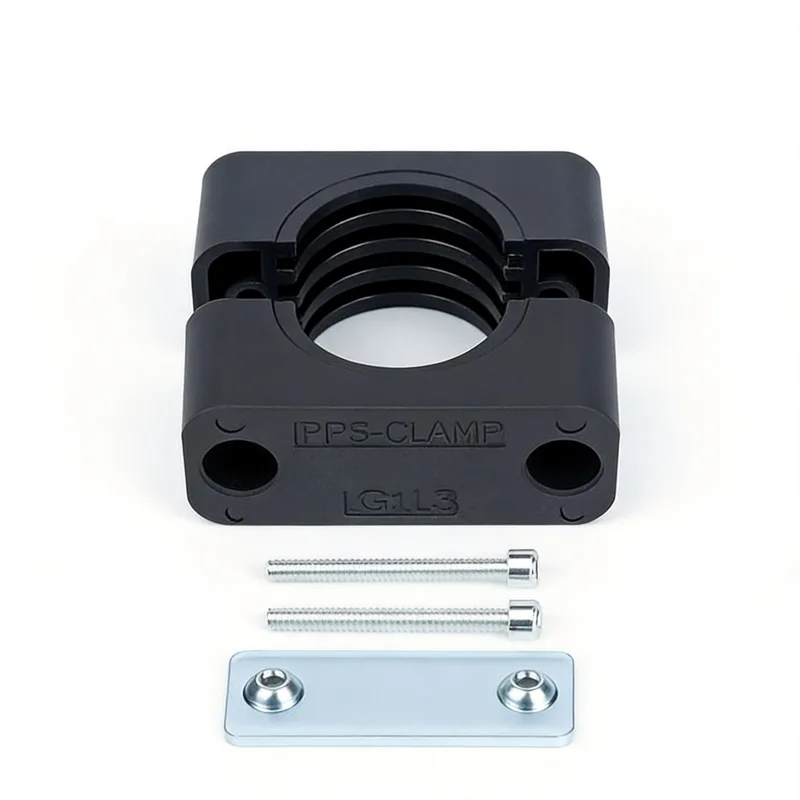
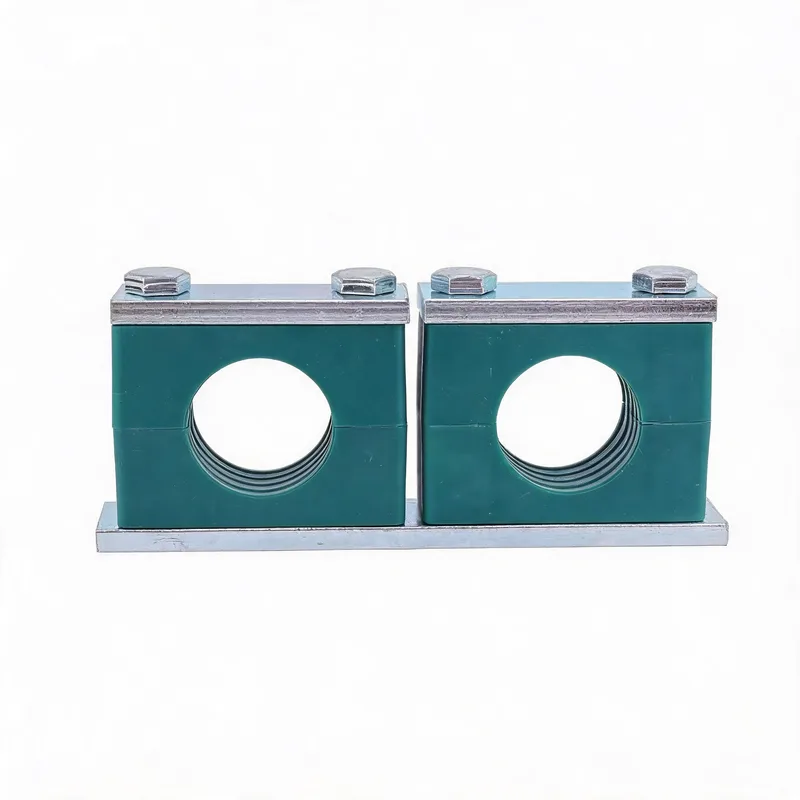
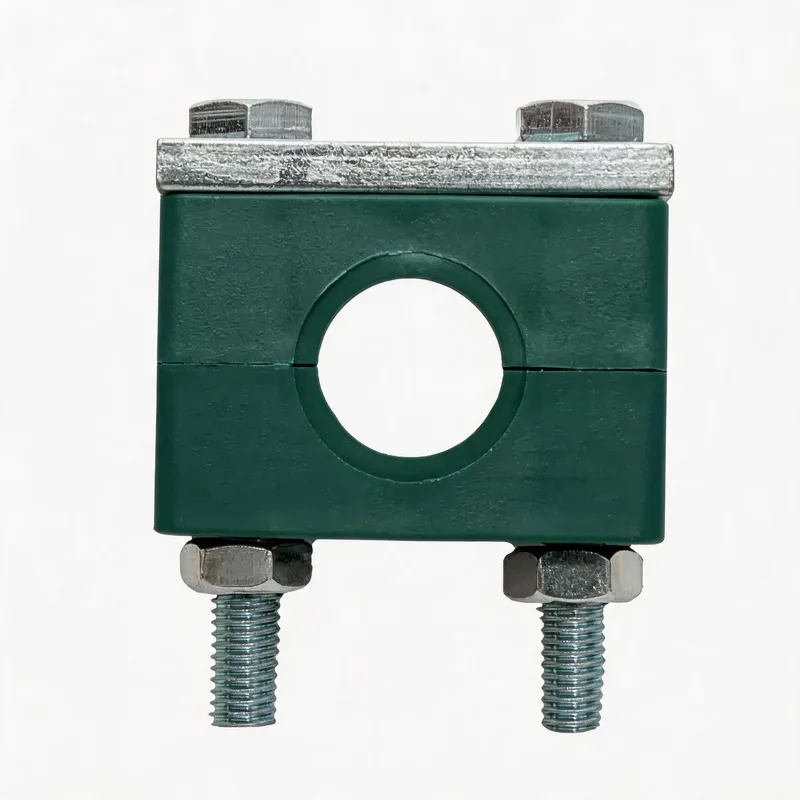
Example clamp schedule for a compact hydraulic skid
| Line / Location | Tube OD | Duty | Clamp Selection | BOM Scope |
|---|---|---|---|---|
| P-101 outlet | 38 mm | Pressure pulse, near pump | DIN 3015-2 heavy, PA body | Body + cover plate + weld plate + bolts |
| Return pair R-201/R-202 | 16 / 16 mm | Parallel low-pressure lines | DIN 3015-3 twin clamp | Twin body + shared cover + rail nut |
| Filter branch F-301 | 25 mm | Service access required | DIN 3015-1 standard | Body + cover + bolts; rail mounted |
| Manifold drain D-401 | 10 mm | Small tube, compact routing | DIN 3015-1 standard or twin if paired | Body-only spare or complete point as required |
This is an example format, not a universal spacing table. The actual series and spacing depend on tube mass, vibration, mounting stiffness and project rules.
What columns a skid clamp schedule should include
At minimum, include line ID, support location, tube OD, tube material, fluid or function, pressure or vibration note, clamp series, body material, mounting method, hardware scope, quantity and drawing reference. If the skid uses both rail-mounted and welded-base clamps, keep those methods in separate rows so the BOM does not mix incompatible hardware.
When to use standard, heavy or twin series on skids
Standard series is usually enough for small and medium tubes on stable frames. Heavy series is reviewed near pump outlets, accumulators, large OD tubes, long spans or strong vibration. Twin series is useful for paired small lines that share the same route, such as supply/return or pilot pairs, but avoid it when two lines need independent service access.
Turn the schedule into a purchasing BOM
For purchasing, each schedule row should expand into the parts that will arrive in the box: body halves, cover plate, bolts, washers, base plate or rail nut, rail length, stacking parts, locking parts and labels. If the workshop expects a kit by line number, state that in the RFQ so packing follows the installation sequence.
RFQ notes that reduce rework
Add notes for vibration source, paint or coating on the tube, outdoor or washdown exposure, stainless hardware requirement, certificate scope and whether the skid will be shipped fully assembled. Shipping fully assembled may require stronger locking methods and packing protection than a loose parts order.
Frequently asked questions
What is a pipe clamp schedule for a hydraulic skid?
It is a line-by-line list of clamp points for the skid: line ID, tube OD, support location, clamp series, body material, mounting hardware and quantity. It turns layout information into a purchasable BOM.
Should a skid BOM combine standard, heavy and twin clamps?
Yes. Small instrumentation or return lines may use standard or twin clamps, while pump outlet, manifold and larger lines may need heavy series or cushioned clamps. The schedule should identify the reason for each series choice.
What should I send to get a quotation from a skid clamp schedule?
Send the schedule, skid drawing or marked layout, tube OD list, quantity, mounting surface, environment, vibration notes and required certificates. Photos or a simple sketch help when the skid is already built.
Related WeiQue series


Recommended reading
References
These pages summarize public standard metadata and industry application information. They do not reproduce the paid DIN standard text.