
DIN 3015 block clamps and U-bolts can both hold pipe, but they control it differently. A block clamp surrounds the tube with a shaped body, while a U-bolt pulls the pipe against a saddle or structure through narrower contact zones.
Selection should follow the required support function, vibration, pipe surface, mounting structure, adjustment and maintenance plan rather than unit price alone.
Use a DIN 3015 block clamp when controlled tube location, broad contact and vibration restraint are primary. Use a U-bolt when a simple economical hold-down around larger or less vibration-sensitive pipe is acceptable. Neither type is universally stronger or better.
Related product photos
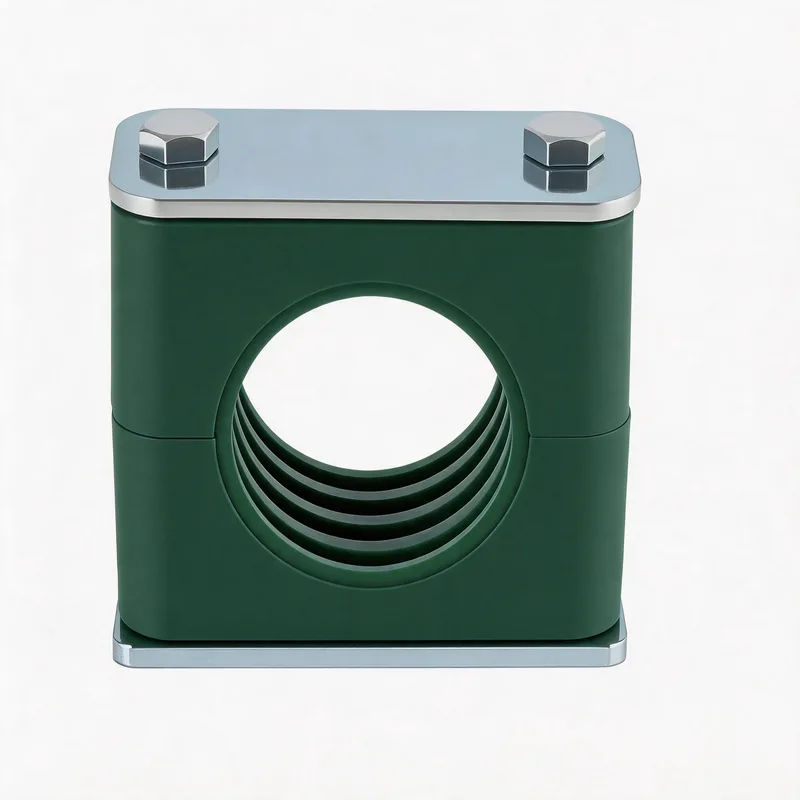
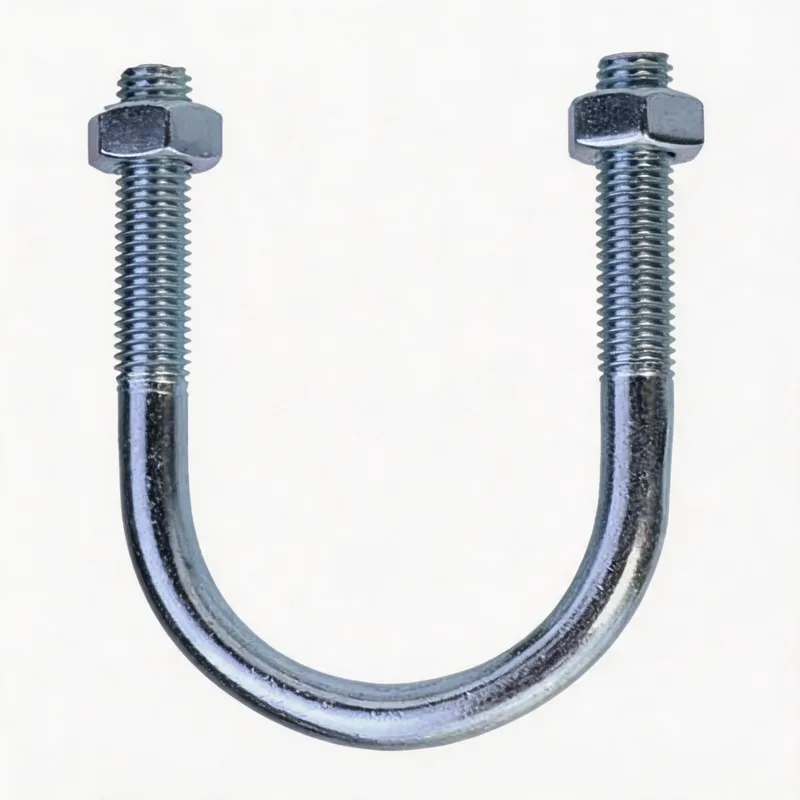
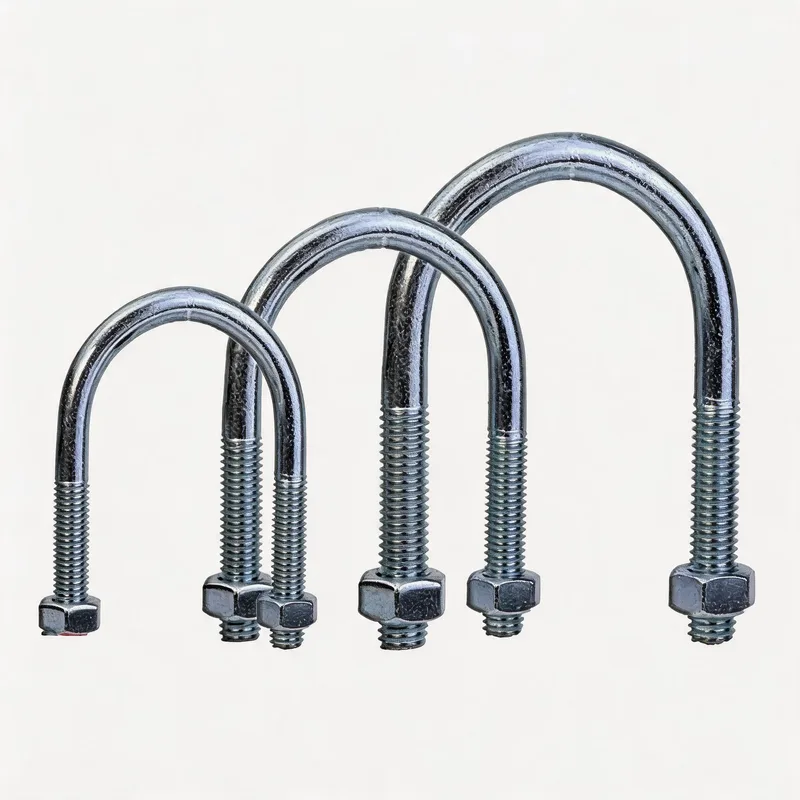
Typical use cases
- Use block clamps for controlled routing and vibration-sensitive tube
- Use U-bolts where simple hold-down and structural mounting dominate
- Check pipe marking and coating damage for both types
- Compare the complete installed BOM and maintenance effort
Block clamp and U-bolt comparison
| Factor | DIN 3015 block clamp | U-bolt |
|---|---|---|
| Contact | Broad shaped contact around the tube | Narrower contact at legs and saddle |
| Vibration control | Good routing control when correctly sized and mounted | Depends strongly on saddle, preload and structure |
| Adjustment | Rail systems offer organized repositioning | Simple slot or field adjustment can be economical |
| Typical fit | Hydraulic tube, compact machines and repeated routes | Larger utility pipe and structural hold-down |
Neither type should be credited with anchor or sliding capacity without a complete support design.
Start with the support function
Define whether the point must locate, guide, damp vibration, carry weight, restrain axial movement or permit sliding. The clamp shape alone does not prove any of these functions; hardware, saddle, base and structure complete the load path.
Review vibration and pipe surface
Hydraulic pulsation and machine vibration can make narrow or loose contact fret the pipe. A correctly fitted polymer block can spread pressure and isolate hard contact, while an incorrectly tightened block or U-bolt can both mark, polish or crush the surface.
Compare installed cost, not clamp price
Include base plates, rails, saddles, nuts, bolts, welding, drilling, coating repair, alignment time, inspection and future replacement. A low-cost clamp can become expensive if it needs custom brackets or repeated adjustment.
RFQ data for type comparison
Send pipe OD, wall and material, fluid, pressure, temperature, vibration source, support function, route spacing, mounting structure, corrosion exposure, required adjustment, quantity and photos or drawings.
Frequently asked questions
Are U-bolts suitable for hydraulic tube?
Sometimes, but narrow contact, tube marking, vibration and controlled location must be reviewed. Block clamps are often preferred for compact hydraulic tubing where repeated pulsation and alignment matter.
Do block clamps protect the pipe surface better?
Their broader shaped contact can distribute pressure, but only when bore, material and tightening are correct. A wrong-size block clamp can still fret or crush a pipe.
Which option is easier to adjust on site?
U-bolts can be simple on structural steel, while rail-mounted DIN 3015 clamps provide repeatable repositioning and organized multi-line routing. The complete mounting system determines adjustability.
Related WeiQue series


Recommended reading
References
These pages summarize public standard metadata and industry application information. They do not reproduce the paid DIN standard text.