
Incoming inspection catches errors while the order is still easy to correct. For DIN 3015 pipe clamps, the most important checks are not only quantity, but also whether each clamp point can actually be installed.
A good receiving process compares the physical shipment against the PO, clamp schedule, drawing revision and document package. If those four sources disagree, stop and resolve the mismatch before the parts reach installation.
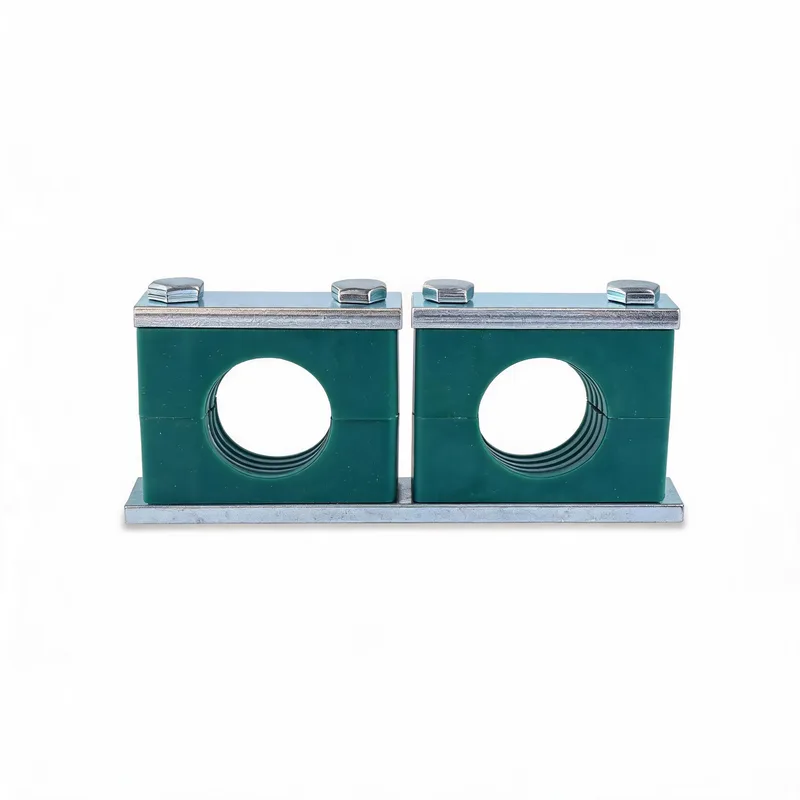
Incoming inspection for DIN 3015 pipe clamps should check carton and kit quantity, bore or tube OD, series, body material, fasteners, mounting hardware, coating, labels, certificates, batch match and transport damage before the parts enter stock.
Receiving inspection focus points
Incoming inspection checklist
| Check Item | What to Verify | Common Problem |
|---|---|---|
| Quantity | Carton count, kit count and component count against PO. | Bolts or rail nuts missing from complete assemblies. |
| Bore / tube OD | Measure sample bores or confirm marked OD range. | Nominal size confused with actual OD. |
| Series and body | Standard, heavy or twin; PP, PA, aluminum or rubber insert. | Wrong series supplied with correct-looking bore. |
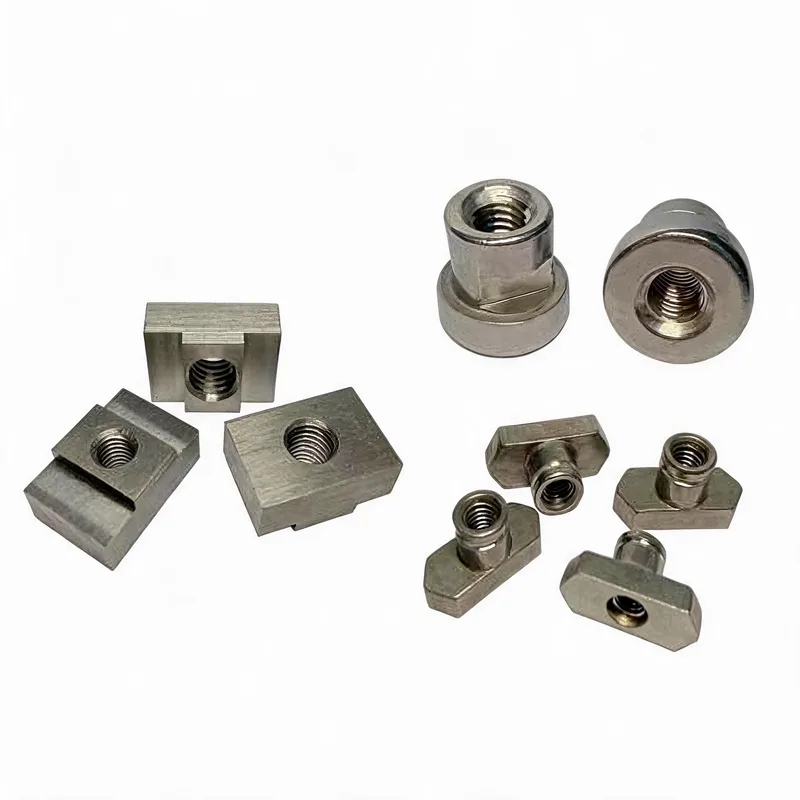
| Mounting hardware | Cover plates, weld plates, rail nuts, rails, stacking parts. | Body-only shipment received for a complete-kit PO. |
| Fasteners | Bolt size, length, grade, stainless grade, coating and washers. | Bolt length unsuitable for stacking or rail nut. |
| Documents and labels | Certificate scope, inspection record, batch, carton label and line number. | Certificate cannot be matched to the carton batch. |
Inspection should be recorded before parts are mixed into warehouse stock.
Inspect by clamp point, not only by SKU
A SKU count may pass while an installed point still fails because the correct cover plate, rail nut or bolt length is missing. For project orders, choose sample support points from the clamp schedule and verify that every component for those points is present.
Keep a nonconformity photo set
When there is damage, wrong labels or missing hardware, photograph the carton label, batch label, full contents and close-up problem. This makes supplier correction much faster than a text complaint without traceability.
Acceptance wording for the PO
Use this note: "Incoming inspection will compare delivered parts against the approved clamp schedule, drawing revision, BOM, certificates and packing labels. Mismatched bore, series, material, fastener grade, missing hardware or unmatched batch documents will be treated as nonconforming."
Frequently asked questions
What should be checked first when DIN 3015 clamps arrive?
Check carton count, visible damage, PO number, line or item labels, then verify sample clamp bore, series, material and hardware against the approved schedule before mixing parts into stock.
Should incoming inspection measure every clamp bore?
Usually sample inspection is enough for routine batches, but critical projects, first supplier shipments or mixed-size kits should use stricter sampling. Always measure any item with unclear labels or suspected mismatch.
What makes a clamp shipment nonconforming?
Wrong bore, wrong series, wrong material, missing cover plates or rail nuts, incorrect fastener grade, unmatched certificates, damaged bodies or labels that cannot be traced to the order should be treated as nonconforming.
Related WeiQue series


Recommended reading
References
These pages summarize public standard metadata and industry application information. They do not reproduce the paid DIN standard text.