
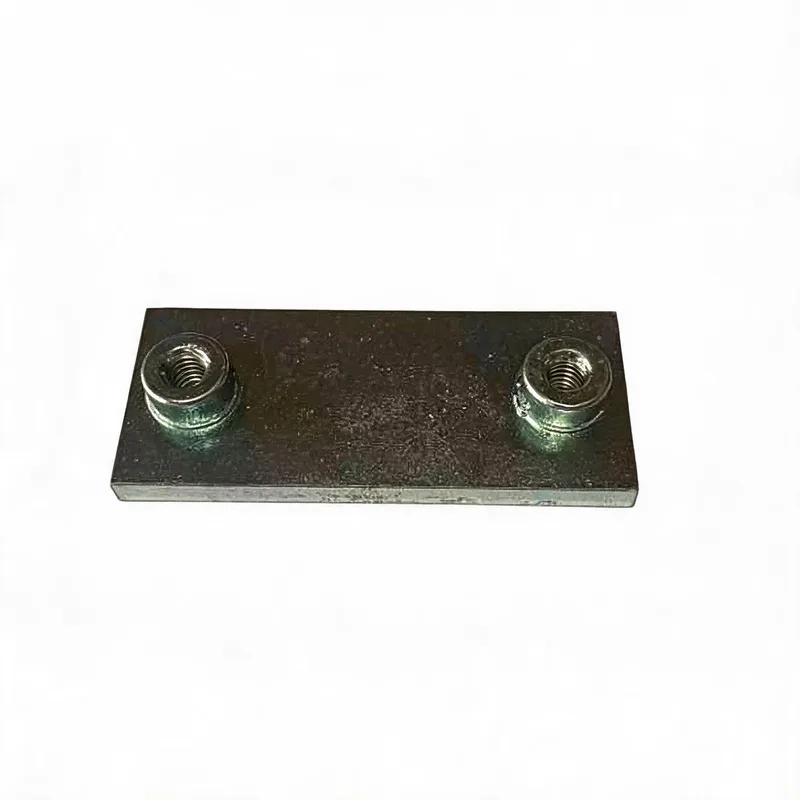
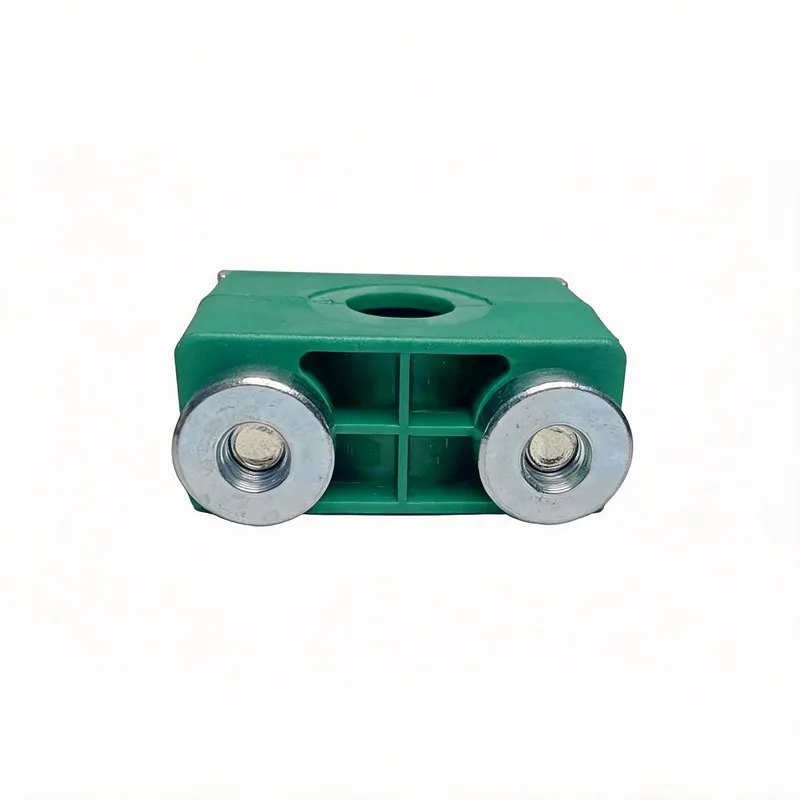
DIN 3015 pipe clamps can be mounted with welded base plates, mounting rails, rail nuts, studs or custom brackets. The most common early decision is whether the support should be fixed by a welded base plate or adjustable on a rail.
There is no universal winner. Welded plates provide a direct fixed support point. Rails provide adjustability and easier alignment, but need compatible rail nuts, end restraint and a stiff supporting structure.
Related product photos
Typical use cases
- Choose welded plates for permanent support points on robust steel frames
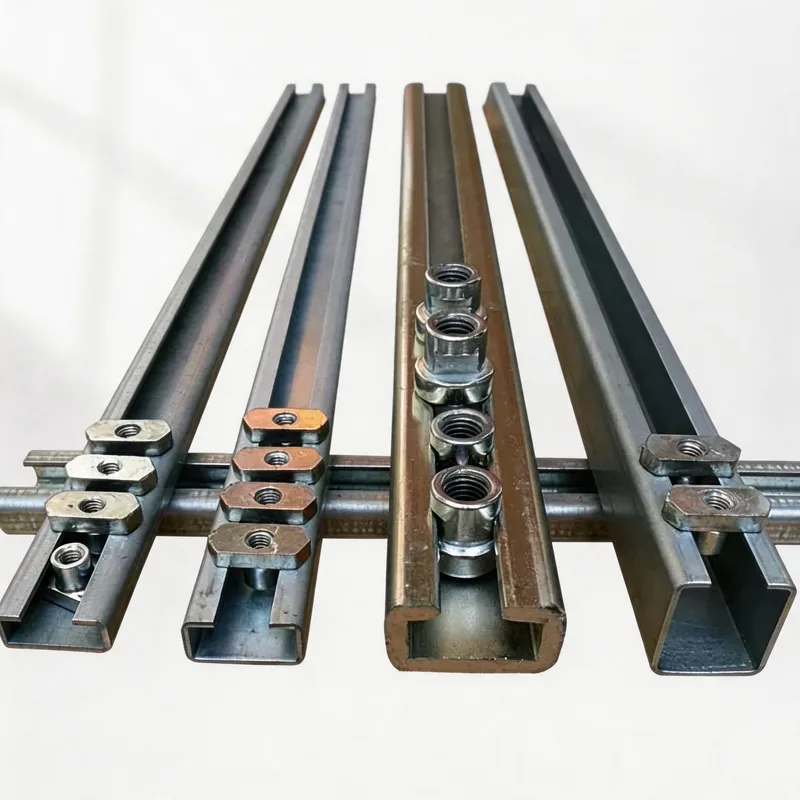
- Choose rails for adjustable layouts, shared support lines and future additions
- Check rail nut compatibility instead of assuming any rail nut fits the load
- Include coating repair or stainless hardware in corrosive environments
- Decide the mounting method before finalizing bolt length and BOM
Rail mount vs welded base plate
| Decision point | Mounting rail | Welded base plate |
|---|---|---|
| Position adjustment | Easy to adjust during assembly or retrofit | Fixed after welding; accurate layout is needed |
| Load path | Depends on rail, nut, end restraint and bracket stiffness | Direct and rigid when weld and frame are suitable |
| Future expansion | Good for adding or moving clamps | Requires new welded points or brackets |
| Corrosion and coating | Rail channels can trap liquid; choose finish carefully | Welding burns coating and needs repair |
| RFQ detail | Rail profile, length, rail nut and end stop | Plate type, weld area, material and coating repair |
If the support structure is flexible, neither mounting method will perform well without a bracket review.
1. When rail mounting is the better starting point
Rail mounting is practical on machine tools, modular hydraulic skids and equipment where tube routes may change during assembly. It also helps align several clamps along one support line and can reduce rework when future additions are expected.
2. When welded plates are the safer starting point
Welded base plates are practical when the support point is known, permanent and mounted to a robust steel frame. They suit heavy loads and fixed routing, but welding quality, heat distortion, coating repair and final alignment must be controlled.
3. Do not ignore the complete hardware set
The mounting choice changes the BOM. Rail mounting needs rail profile, rail nuts, end restraint and compatible bolts. Welded plates need the correct plate type, cover plate, bolt length, washers and coating repair plan. Confirm the whole assembly before ordering.
4. RFQ checklist
Send pipe OD, clamp series, quantity, mounting surface, desired adjustability, rail profile and length if known, welded plate type if preferred, load direction, vibration notes, corrosion environment, bolt material, finish and drawings or photos of the support area.
Frequently asked questions
When should I choose mounting rail instead of a welded base plate?
Choose rail mounting when clamp positions may change, several clamps share one support line, or future additions are expected. Choose welded plates when support points are fixed and a rigid permanent load path is preferred.
Is rail mounting weaker than welded base plates?
Not automatically. Rail profile, rail nut, end restraint, bracket stiffness, load direction and corrosion condition determine whether rail mounting is suitable.
Related WeiQue series


Recommended reading
References
These pages summarize public standard metadata and industry application information. They do not reproduce the paid DIN standard text.