
A correctly installed pipe clamp controls tube position, limits vibration transmission and retains preload over the service life. Getting the steps right the first time avoids tube movement, bolt loosening and costly site rework.
These steps apply to DIN 3015-1 standard, DIN 3015-2 heavy and DIN 3015-3 twin clamps on welded base plates, mounting rails and stacked assemblies.
Related product photos
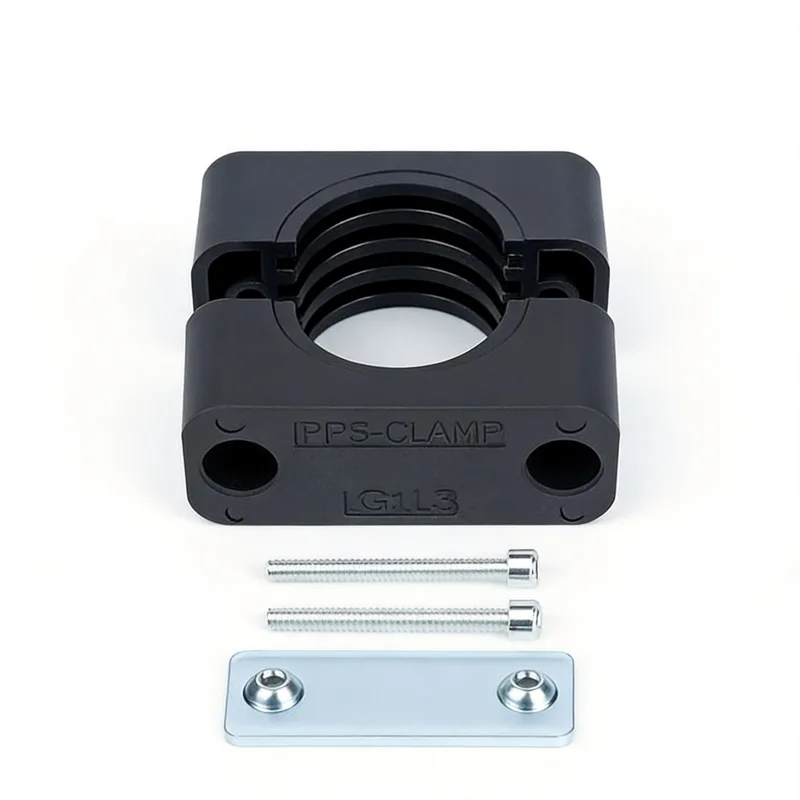
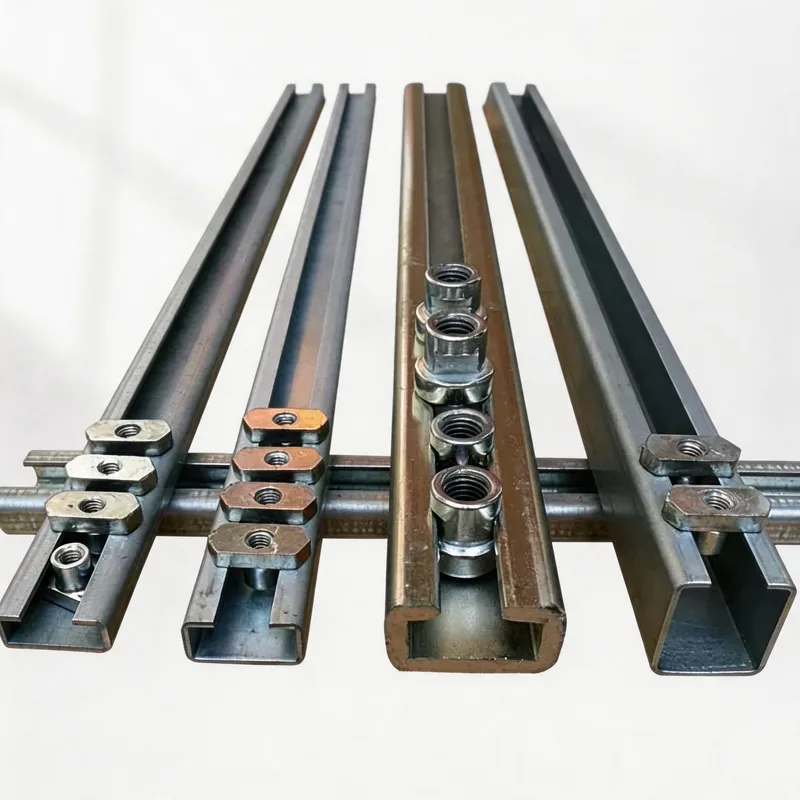
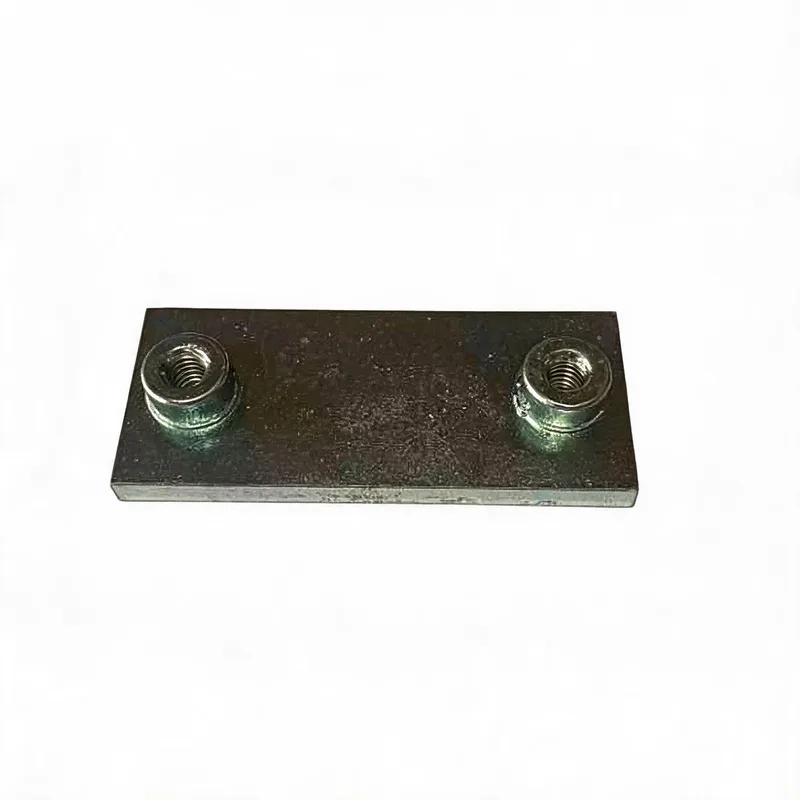
Typical use cases
- Measure the actual tube OD at the clamping point; do not use nominal sizes
- Confirm the mounting surface is clean, level and rated for the load
- Use the approved torque for the series, bolt size and lubrication condition
- Apply a witness mark and record the installation in the inspection log
Mounting method quick reference
| Method | Best use | Key requirement |
|---|---|---|
| Welded base plate | Fixed location, structure already prepared | Level weld, correct base size for clamp group |
| Mounting rail and rail nuts | Adjustable position and spacing | Rail rated for combined clamp load, nut engagement confirmed |
| Stacking system | Multiple tubes at one support point | Full BOM with cover plates and correct stacking bolt grade |
All methods require clean mating surfaces and correct fastener engagement before torquing.
Step 1 — Verify the tube OD
Measure the outside diameter of the tube at the support point with callipers or a pipe tape. Do not use DN, NPS, nominal flow size, thread size or pipe schedule as a substitute for the actual measured OD. If the tube has a coating or wrap, include that thickness in the measurement or confirm the coating builds are within the approved bore tolerance.
Step 2 — Select series, size and hardware
Choose the DIN 3015 series based on tube load, vibration, fluid type and line layout. Standard series suits most hydraulic and pneumatic runs; heavy series is preferred for larger diameters, higher loads or strong vibration; twin series for paired parallel lines. Confirm the complete BOM: body halves, cover plate, base plate or rail nut, specified bolt and washer, and any stacking or locking parts before ordering.
Step 3 — Prepare the mounting surface
For welded base plates, verify level, clean weld and correct plate position before fitting the clamp. For rail systems, confirm rail straightness, correct rail nut engagement length and rail load rating before sliding clamps into position. Remove weld spatter, loose paint, dirt, oil and debris from all contact surfaces. Contaminated contact surfaces can affect tightening behavior and long-term preload.
Step 4 — Position and hand-tighten
Place the clamp body halves around the tube and confirm the tube is centred in the bore profile. For twin clamps, confirm both OD values match and the inter-tube gap is within spec. For stacked assemblies, confirm spacer order and orientation from the BOM. Insert the specified bolt and hand-tighten both sides progressively; check for even contact and no cross-threading before applying torque.
Step 5 — Torque to specification
Tighten with a calibrated torque wrench to the recommended value for the clamp series, bolt size and lubrication condition (see WQ-TC-001 torque chart). For PP and PA insert clamps, never exceed the maximum torque; over-tightening cracks the polymer insert. Tighten both sides progressively and evenly rather than bringing one side to full torque first. For stainless bolts, apply an anti-seize compound and reduce torque by approximately 0.85×.
Step 6 — Apply witness mark and record
After reaching the approved torque, apply a witness mark across the nut and bolt. If the mark breaks during service, the joint has self-loosened. For critical or high-vibration joints, record the clamp location, tube OD, series, bolt size, tightening torque, lubrication, installer and date in the inspection log. Schedule a first inspection at the approved interval — typically 24 to 72 service hours for new installations near pumps or compressors.
Frequently asked questions
What torque should I use for DIN 3015 pipe clamps?
Use the torque for the actual clamp series and bolt size from the WQ-TC-001 torque chart. WQL light series with M6 bolts: 4–6 Nm; WQH heavy metal-body series: 35 Nm (M10) to 1850 Nm (M36). Never exceed the maximum on PP or PA insert clamps.
Should the clamp halves touch after installation?
Not necessarily. Some DIN 3015 assemblies are designed with a gap after correct tightening; others close depending on tube OD and body geometry. Follow the approved assembly drawing and torque rather than forcing closure by over-tightening.
When should I use a cushioned NBR insert instead of a rigid clamp?
Specify cushioned clamps near pumps, piston compressors, engines and mobile or marine equipment, or when you observe structure-borne noise, fretting marks, repeated bolt loosening or fatigue cracking near fittings. Confirm NBR compatibility with the fluid before specifying.
Related WeiQue series


Recommended reading
References
These pages summarize public standard metadata and industry application information. They do not reproduce the paid DIN standard text.