
A2 and A4 identify common austenitic stainless steel groups used for bolts, screws, nuts and washers. A4 generally offers better resistance in chloride and marine exposure, while A2 is widely used for general corrosion resistance.
The A2 or A4 designation does not by itself define strength, dimensions or suitability for every environment. Confirm the complete fastener designation and joint requirements.
Related product photos
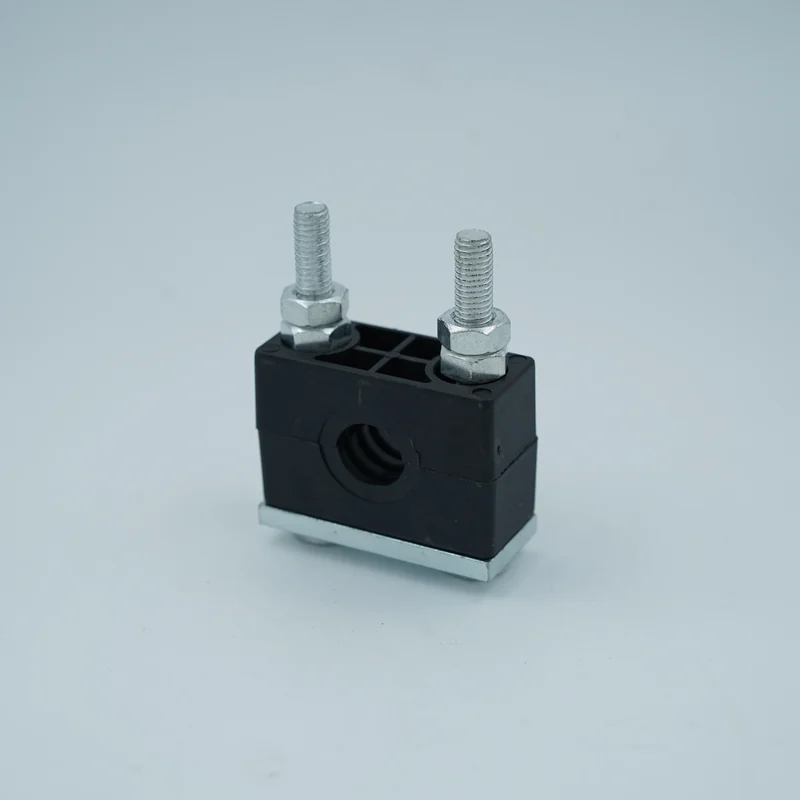
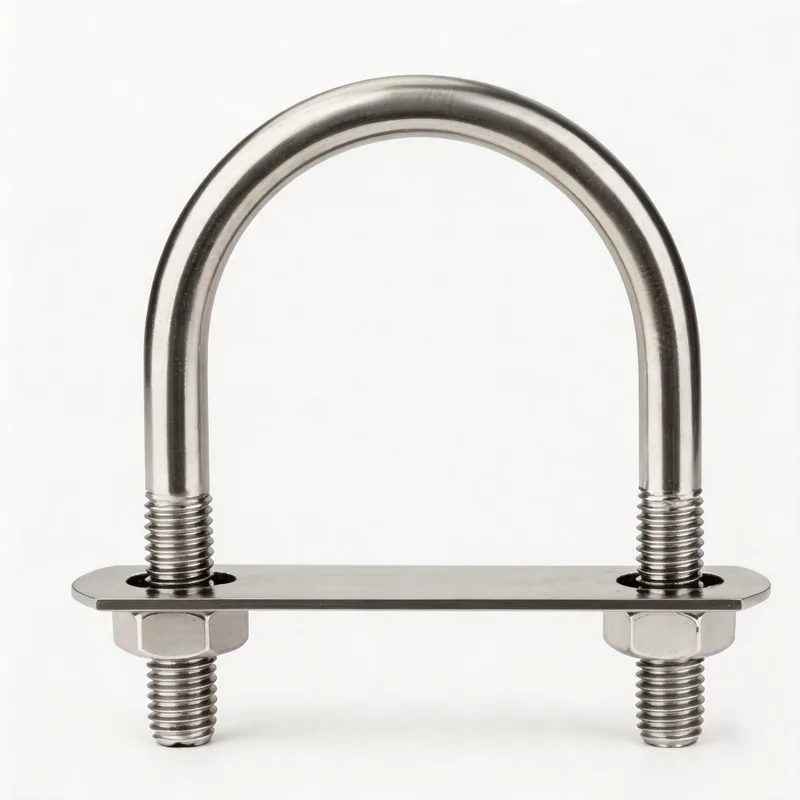
Typical use cases
- A2 is a common choice for indoor, food-equipment and general atmospheric service
- A4 is commonly preferred for chloride, coastal and marine exposure
- Strength classes such as 70 or 80 must be specified separately
- Lubrication and controlled assembly help reduce stainless thread galling
Quick comparison
| Group | Typical use | Corrosion note | Selection check |
|---|---|---|---|
| A2 stainless | Indoor equipment, general atmospheric and many food applications | Good general resistance, but chloride exposure needs review | Confirm strength class, chemicals and cleaning process |
| A4 stainless | Coastal, marine, washdown and chloride-exposed service | Improved chloride resistance, but not immune to pitting or crevice corrosion | Confirm actual exposure, drainage, mating metals and grade |
A2 and A4 are material groups, not complete specifications. Add the applicable standard, strength class, dimensions, finish and inspection requirements.
What A2 and A4 mean
In common stainless fastener designations, A identifies an austenitic stainless group and the following number identifies the group within that family. A2 is broadly associated with general-purpose chromium-nickel stainless, while A4 includes molybdenum-bearing grades commonly selected for improved chloride resistance.
A2-70, A4-70 and A4-80 strength classes
The number after the material group identifies a stainless fastener strength class. It is not the same property-class system used for carbon steel bolts such as 8.8 or 10.9. Never approve a substitution by comparing only the final number or material name.
Choosing for chloride and marine exposure
A4 is often the practical starting point near seawater, coastal air, deicing salts or frequent chloride cleaning. Actual performance still depends on concentration, temperature, wet-dry cycling, crevices, deposits and drainage. Severe service may require a more specialized alloy or project-specific approval.
Preventing thread galling
Austenitic stainless threads can gall during rapid or dry assembly. Keep threads clean, use an approved lubricant or anti-seize where permitted, reduce assembly speed and avoid forcing a joint that suddenly becomes rough. Lubrication changes torque-to-preload behavior, so tightening instructions must match.
Matching nuts, washers and contact materials
Specify compatible stainless nuts and washers with the required strength and dimensions. Also review contact with carbon steel, aluminum and galvanized parts because mixed metals in a wet environment can create galvanic corrosion on the less noble material.
RFQ checklist for stainless fasteners
Provide the applicable standard or drawing, A2 or A4 group, strength class, size, pitch, length, head style, nut and washer requirements, quantity, service environment, tightening method, surface condition and certificate requirements.
Frequently asked questions
Is A4 stainless always required for marine use?
A4 is a common starting point for marine or chloride exposure, but final approval still depends on temperature, concentration, crevices, drainage, strength class and project rules.
Can A2-70 replace an 8.8 carbon steel bolt?
Usually not without engineering review. Stainless strength classes and carbon steel property classes are different systems, and the joint load, preload and corrosion requirement must all be checked.
How do I reduce stainless thread galling?
Use clean threads, compatible nuts, approved lubricant or anti-seize where allowed, slower assembly speed and tightening instructions that match the lubricated condition.
Related WeiQue series


Recommended reading
References
This guide summarizes practical selection checks and public standard metadata. Confirm the final material group, strength class and joint design against the applicable standard and project requirements.