
The clamp body is only one part of a DIN 3015 installation. The mounting method determines how the support transfers load into the machine frame, skid, vessel structure or foundation.
Choose the mounting arrangement together with pipe OD, clamp series, vibration, adjustability, corrosion exposure and maintenance access. A complete RFQ should identify every required hardware item, not only the clamp halves.
Mounting methods at a glance
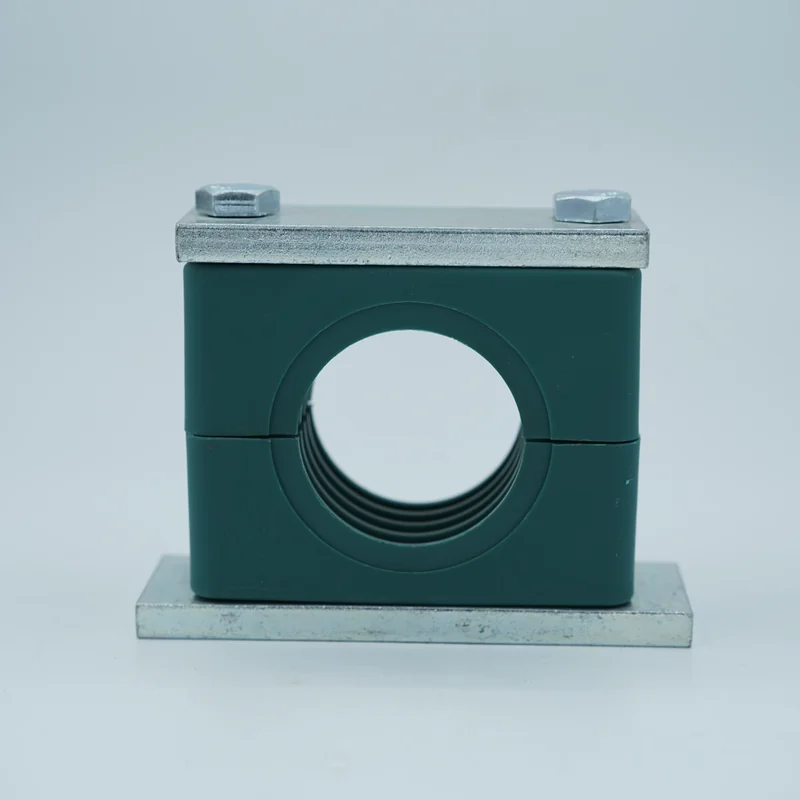
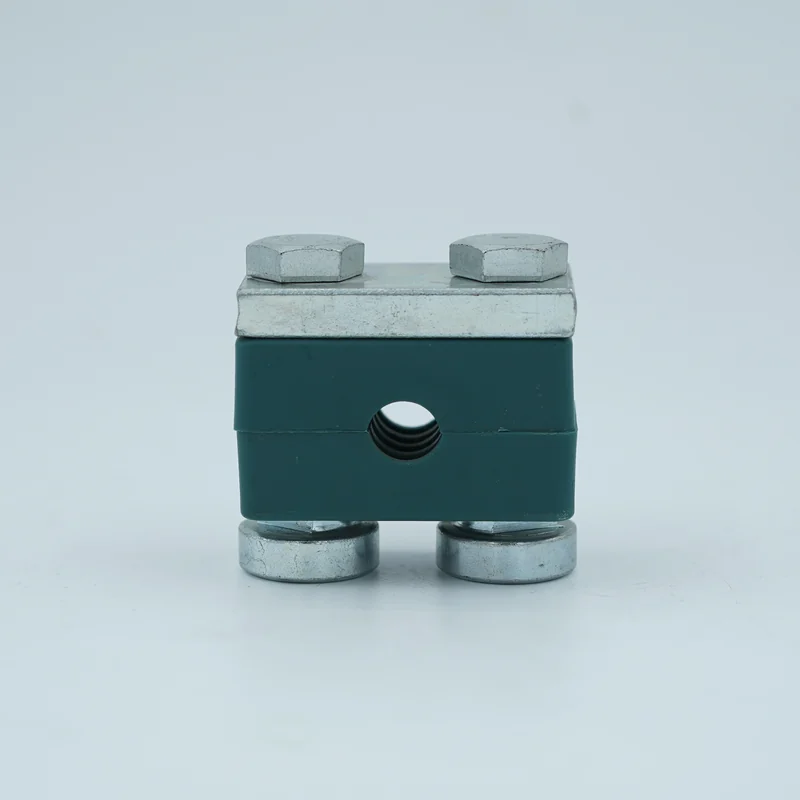
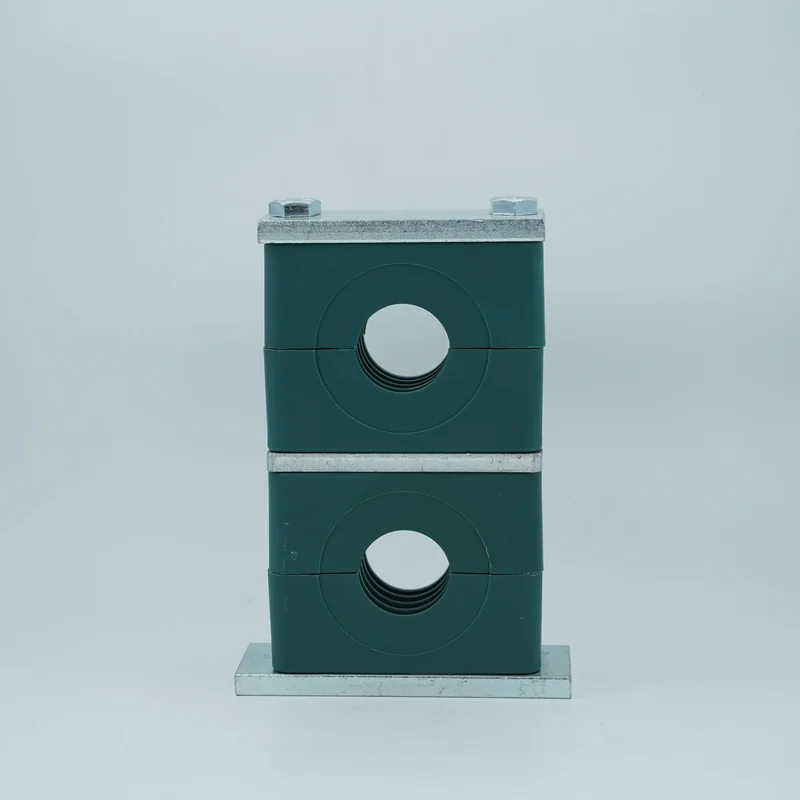
Typical use cases
- Use welded base plates for fixed, robust and repeatable support points
- Use mounting rails when clamp position or future expansion needs flexibility
- Use stacking to save footprint only after checking height, load and access
- Specify the full BOM: clamp body, plate or rail nut, cover plate, bolts and accessories
Mounting method comparison
| Method | Best fit | Main advantage | Main check |
|---|---|---|---|
| Welded base plate | Permanent machine frames, skids and heavy supports | Rigid load path and repeatable location | Weld quality, distortion, coating repair and access |
| Mounting rail + rail nut | Machine tools, modular skids and adjustable layouts | Easy repositioning and future additions | Rail size, nut compatibility, end restraint and corrosion |
| Stacking | Compact parallel pipe routes with limited footprint | Reduces mounting footprint | Stack height, bolt length, load, vibration and service access |
| Stud or custom bracket | Existing structures and retrofit projects | Adapts to project-specific interfaces | Thread engagement, bracket stiffness and approval drawing |
The correct mounting method supports the pipe load and maintenance plan without creating an unnecessary weak point in the structure.
When to use a welded base plate
A welded base plate is a practical choice when the support point is permanent and the frame can accept welding. It provides a direct, rigid load path, but the welding procedure, heat distortion, coating repair and final alignment must be controlled.
When mounting rails are better
Rails are useful where pipe routes may be adjusted during assembly, several clamps share one support line, or future additions are expected. Confirm the rail profile, rail nut, clamp series, load direction, rail-end restraint and corrosion system as one compatible assembly.
Stacking saves space but adds design checks
Stacking can reduce footprint on compact machines and skids, but each added layer increases height and changes the load path. Check stacking-bolt length, support stiffness, vibration, line identification, wrench access and whether lower pipes can be serviced without removing the full stack.
Define the complete mounting BOM
State whether the quote needs clamp halves only or a complete assembly. A complete mounting BOM may include body halves, cover plate, base plate or rail nut, rail, standard or stacking bolts, washers, locking method and corrosion finish. Also state whether welding, rail cutting or installation hardware is supplied by the customer.
RFQ checklist for mounting hardware
Provide pipe OD, clamp series, quantity, mounting method, base material and thickness, rail profile and length if used, number of stacking layers, bolt material and finish, corrosion environment, vibration notes, certificates and installation drawings or photos.
Related WeiQue series


Recommended reading
References
These pages summarize public standard metadata and industry application information. They do not reproduce the paid DIN standard text.