
A loose pipe clamp bolt is usually a symptom of the complete support system, not just a weak fastener. Pressure pulses, transverse pipe movement, flexible mounting surfaces, excessive unsupported span and loss of preload can all contribute.
Reliable vibration resistance starts with the correct clamp series and layout, then depends on controlled tightening and a locking method suited to the actual service environment.
Related product photos
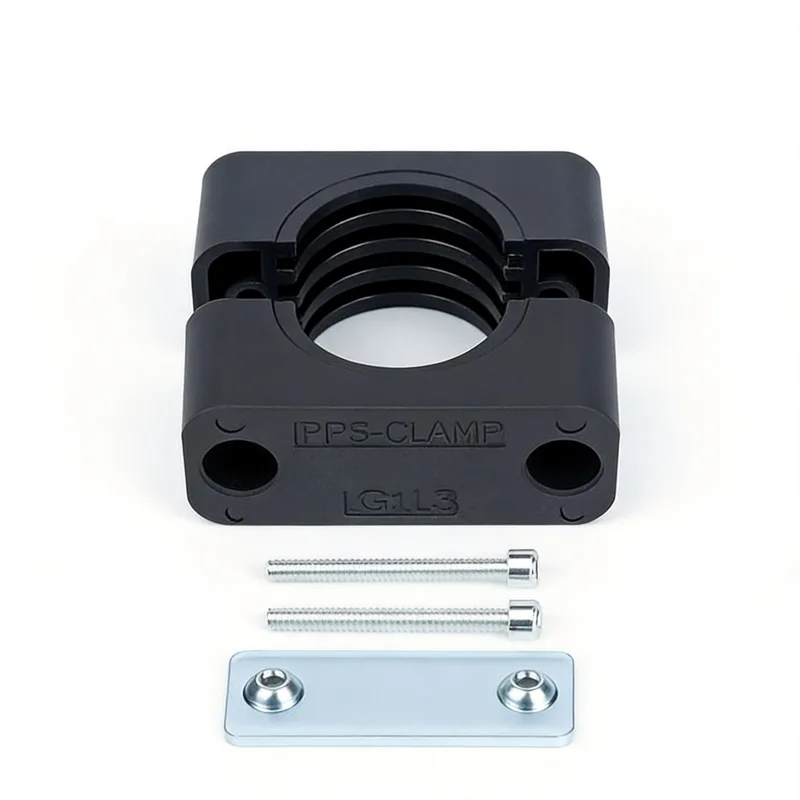
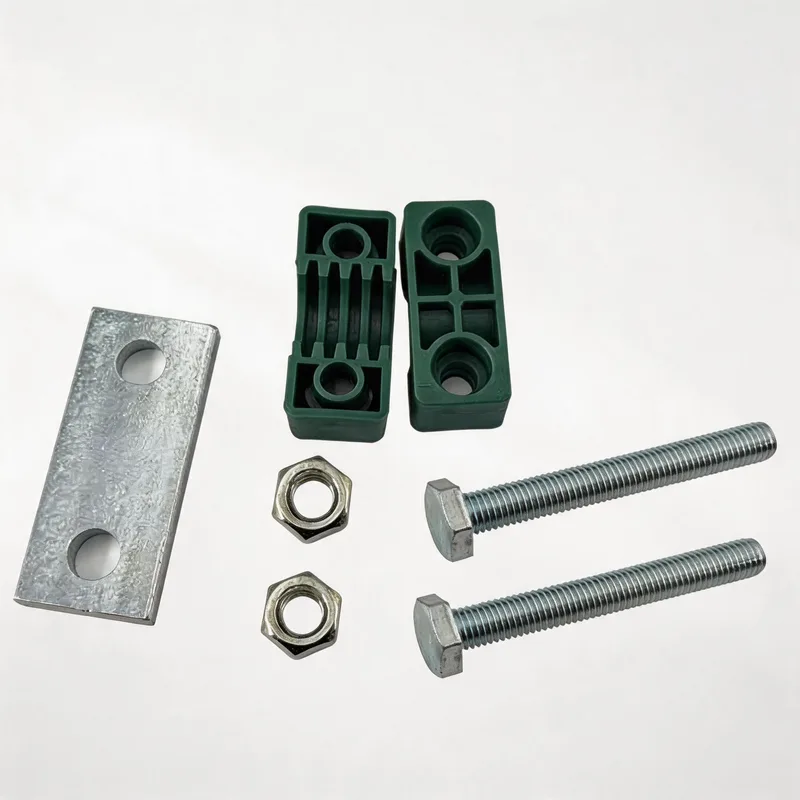
Typical use cases
- Find and reduce the vibration source before adding a locking device
- Use DIN 3015-2 heavy series or damping inserts where load and vibration justify them
- Control preload with defined fastener, friction and tightening conditions
- Inspect the complete clamp assembly and mounting surface, not only the bolt
Common anti-loosening options
| Option | Useful when | Main check |
|---|---|---|
| Prevailing-torque nut | Service permits the selected insert or all-metal design | Temperature, reuse rule and available thread |
| Thread-locking adhesive | Threads are clean and frequent removal is not required | Oil contamination, temperature and maintenance procedure |
| Wedge-lock washer | Transverse vibration is significant and bearing faces are suitable | Surface hardness, space, corrosion and approved torque |
No locking device compensates for an undersized clamp, excessive spacing, a flexible base or incorrect tightening.
Start with the source of movement
Check pump pulsation, cylinder movement, hose transitions, unbalanced rotating equipment and flexible frames. A locking device may delay visible loosening, but repeated transverse movement can still damage the pipe, clamp body, base plate or mounting surface.
Select the clamp series for load and vibration
DIN 3015-1 standard series suits many stable common-duty lines. Review DIN 3015-2 heavy series for larger pipes, mobile equipment, longer spans or strong structure-borne vibration. Cushioned or elastomer inserts can reduce transmitted vibration when their material is compatible with fluid, temperature and environment.
Protect preload through controlled tightening
Specify bolt class or material, coating, nut, washer, lubricant or dry condition and approved tightening method together. The same torque can create different preload when friction changes, and low preload makes separation and self-loosening more likely.
Review spacing, bends and mounting stiffness
Shorten unsupported spans near pumps, valves, bends, cylinders and hose transitions. Confirm that rails, welded plates, brackets and machine frames are stiff enough for the clamp load. A rigidly tightened clamp on a flexible bracket can still move as a complete assembly.
Choose a locking method for the service conditions
Prevailing-torque nuts, thread-locking adhesive, wedge-lock washers and other systems each have limits. Check temperature, corrosion, surface hardness, available space, disassembly frequency, reuse policy and customer maintenance rules before approval.
Inspection and RFQ checklist
Provide pipe OD and material, fluid, pressure, temperature, clamp series, support spacing, mounting method, vibration source, bolt and locking preference, quantity and photos or drawings. During service, inspect witness marks, clamp-body damage, pipe movement, bracket cracks, corrosion and any loss of tightening.
Related WeiQue series

Recommended reading
References
Final clamp layout, tightening values and locking methods must be validated for the actual assembly, vibration input and applicable project requirements.