
Packing looks like a logistics detail until a project shipment contains hundreds of clamp bodies, plates, bolts, rail nuts and labels in similar sizes. If the receiving team cannot identify what belongs to each line or skid area, installation slows down and missing parts are discovered late.
For DIN 3015 clamp orders, the packing requirement should be written before production: whether items are packed by size, by line number, by support location or as complete kits. The right choice depends on order size, site labor, shutdown time and the risk of mixing components.
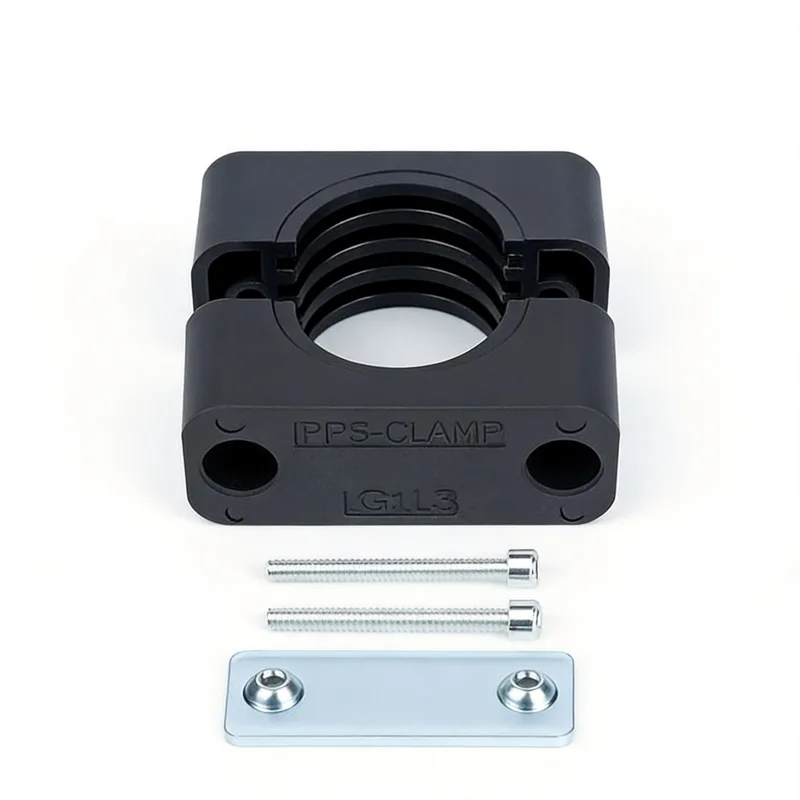
For DIN 3015 project orders, packing should identify each clamp point clearly: line number, part number, bore or tube OD, quantity, component scope, batch or lot, carton number and pallet mark. Kit packing is useful when installers need complete assemblies by location.
Packing follows the installation method
Packing method comparison
| Packing Method | Best Use | Risk to Control |
|---|---|---|
| Packed by size | Stock replenishment, distributors, simple repeat orders. | Site must sort hardware and match parts before installation. |
| Packed by line number | Project orders with a line list or clamp schedule. | Labels must match the latest drawing revision. |
| Packed by skid / area | Hydraulic power units, modules and site installation zones. | Area names should be agreed before packing. |
| Complete kit bag | Each clamp point needs body halves, plate, bolts, nuts and special labels together. | Higher packing labor; BOM must be frozen. |
| Bulk pallet packing | Large, simple orders with one or few SKUs. | Receiving must verify quantity by carton and lot. |
The best packing method is the one that reduces total project cost, not just the cheapest carton cost.
Start from the receiving process
Before choosing packing, ask how the customer will receive the goods: warehouse stock-in, project kitting, direct-to-site installation or maintenance shutdown. A warehouse may prefer cartons by SKU; a shutdown team may prefer one bag per support point. The RFQ should state which process the packing must support.
Minimum carton label fields
A practical carton label should show purchase order, line number if used, WeiQue part number, customer part number if available, description, bore or tube OD, material, finish, quantity, batch or lot, carton number and gross/net weight. For mixed cartons, include a packing list inside and mark the carton as mixed so receiving does not assume one SKU.
When kit packing prevents installation errors
Kit packing is useful when each support point has a different combination of body, cover plate, weld plate, rail nut, bolt length or locking part. It costs more than bulk packing, but it can save time when the site team would otherwise sort similar hardware under schedule pressure.
Traceability and document matching
Packing labels should connect the physical cartons to the document package. If the order includes inspection records, material certificates or coating reports, the batch or lot on the label should match the batch shown in the document. Without that link, the certificate exists but receiving cannot prove which carton it belongs to.
Copy-ready packing requirement
Use this wording in an RFQ: "Please quote DIN 3015 clamp assemblies with packing by line number/support location. Each kit label shall show PO number, line number, item code, tube OD or bore, quantity, component scope, batch/lot and carton number. Mixed cartons require an internal packing list. Pallets shall be marked with project name, PO number, pallet number, gross weight and destination area."
Frequently asked questions
Should pipe clamps be packed by size or by line number?
For stock or distributor orders, packing by size is efficient. For project installation, packing by line number, skid area or support location often reduces sorting time and wrong installation, especially when each point has different plates, bolts or labels.
What should be printed on a pipe clamp carton label?
Use part number, description, tube OD or bore, quantity, material, finish, batch or lot, purchase order, line number if applicable, carton number and gross/net weight. Add QR codes only if the site can actually use them.
When is kit packing worth the extra cost?
Kit packing is worth it when site labor, shutdown time or installation error risk costs more than packing labor. It is most useful for hydraulic skids, offshore modules, maintenance spares and multi-size project deliveries.
Related WeiQue series


Recommended reading
References
These pages summarize public standard metadata and industry application information. They do not reproduce the paid DIN standard text.