
Pipe clamp maintenance should focus on the complete support point: pipe position, clamp body, bolts, cover plate, base plate or rail, bracket and surrounding structure. A loose bolt is often the visible result of vibration, movement, corrosion or support damage elsewhere.
Inspection frequency must follow the equipment risk and site maintenance plan. New installations, recently disturbed supports and clamps near pumps, cylinders or mobile structures normally deserve earlier review than stable indoor pipework.
Related product photos
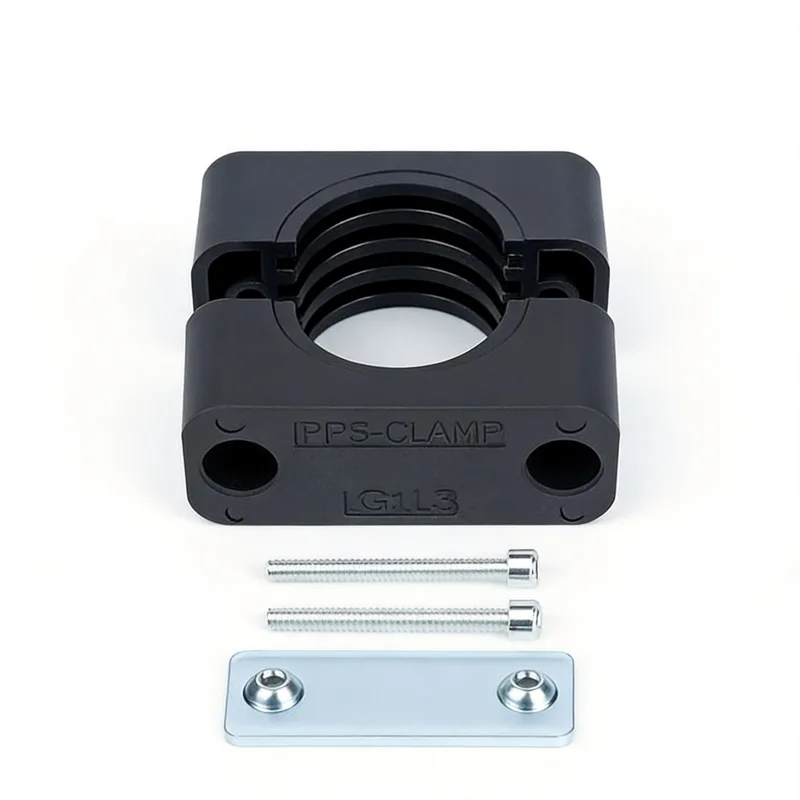
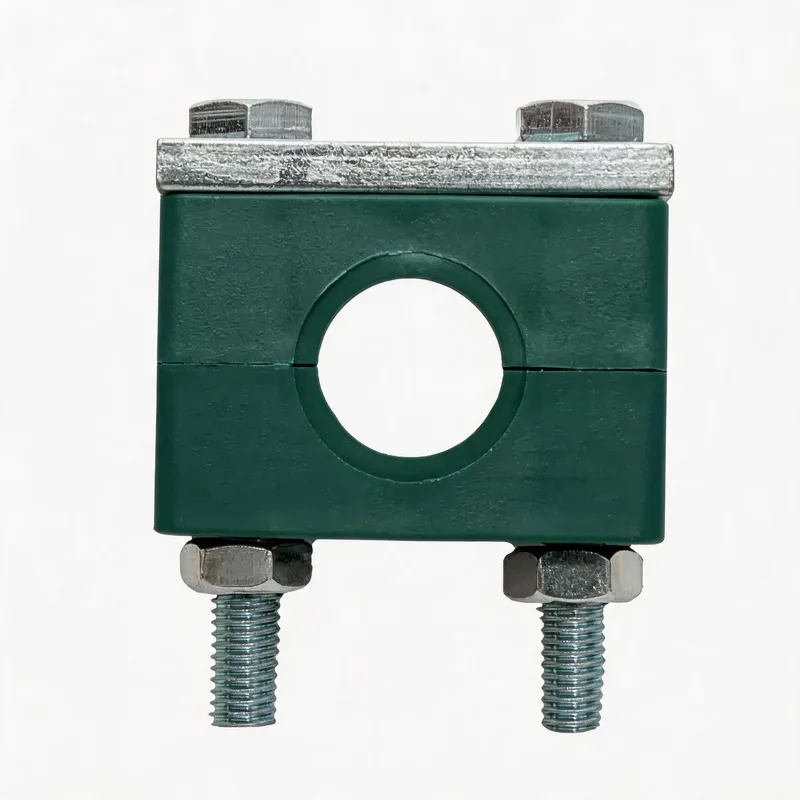
Typical use cases
- Establish a baseline after installation so later movement and damage are visible
- Inspect pipe position, clamp body, hardware and support structure as one system
- Do not retighten repeatedly without finding the cause of lost preload
- Replace cracked, permanently deformed, chemically attacked or badly corroded parts
Maintenance decision guide
| Finding | Immediate action | Before return to service |
|---|---|---|
| No movement, damage or corrosion | Record condition and continue planned monitoring | Confirm inspection date and next review interval |
| Loose fastener with otherwise sound assembly | Stop or isolate as required; investigate movement and preload loss | Use the approved tightening procedure and inspect mating parts |
| Cracked body, permanent deformation or damaged thread | Remove from service and replace affected parts | Correct load, alignment, spacing or installation cause |
| Severe corrosion, chemical attack or bracket crack | Assess system risk and replace or repair before operation | Review material, coating, drainage and environment |
Retightening is not a repair for a cracked body, damaged thread, weak bracket, wrong clamp series or incompatible material.
Create a baseline after installation
Record clamp series and size, pipe OD, mounting method, fastener specification, approved tightening method and visible pipe position. Photos, witness marks and an inspection ID make later changes easier to detect. Review new or disturbed supports after the site-approved initial operating period.
Look for movement before checking torque
Check shifted witness marks, polished contact areas, fretting debris, pipe-to-structure contact, elongated holes and movement near bends, valves or hose transitions. If the pipe or bracket is moving, tightening the bolt alone may hide the symptom without correcting the cause.
Inspect clamp bodies and damping inserts
Replace clamp bodies or inserts showing cracks, splits, permanent compression, melting, embrittlement, swelling or chemical attack. Also investigate why the damage occurred: wrong OD, excessive tightening, incompatible fluid, temperature, UV exposure, impact or vibration can all shorten service life.
Inspect fasteners, plates, rails and brackets
Check missing or loose hardware, damaged threads, washer embedment, bent cover plates, cracked welds, loose rail nuts, rail-end movement and bracket corrosion. Replace damaged fasteners instead of forcing them back into service. Any tightening check must use the approved condition for coating, lubrication, locking method and reuse.
When retightening is appropriate
Retightening may be appropriate only when the assembly is undamaged, the correct parts are installed, the support and pipe remain aligned, and the cause of lost preload has been understood. Use the site-approved tightening procedure; do not apply an arbitrary torque or repeatedly tighten a joint that continues to loosen.
Maintenance record and replacement RFQ
Record equipment ID, clamp location, date, inspector, observed condition, photos, movement or corrosion notes, action taken and next inspection date. For replacement quotations, send pipe OD, clamp series or photos, body material, mounting method, hardware scope, environment, vibration source, quantity and required certificates.
Related WeiQue series


Recommended reading
References
These pages summarize public standard metadata and industry application information. They do not reproduce the paid DIN standard text.