
Torque is an installation input; preload is the tensile force created in the bolt and the corresponding clamp force holding the joint together. A torque wrench controls applied turning moment, but it does not directly measure bolt tension.
Because much of the applied torque is consumed by friction in the threads and under the rotating bearing surface, a torque value is meaningful only when the fastener, surface and lubrication conditions are defined.
Related product photos
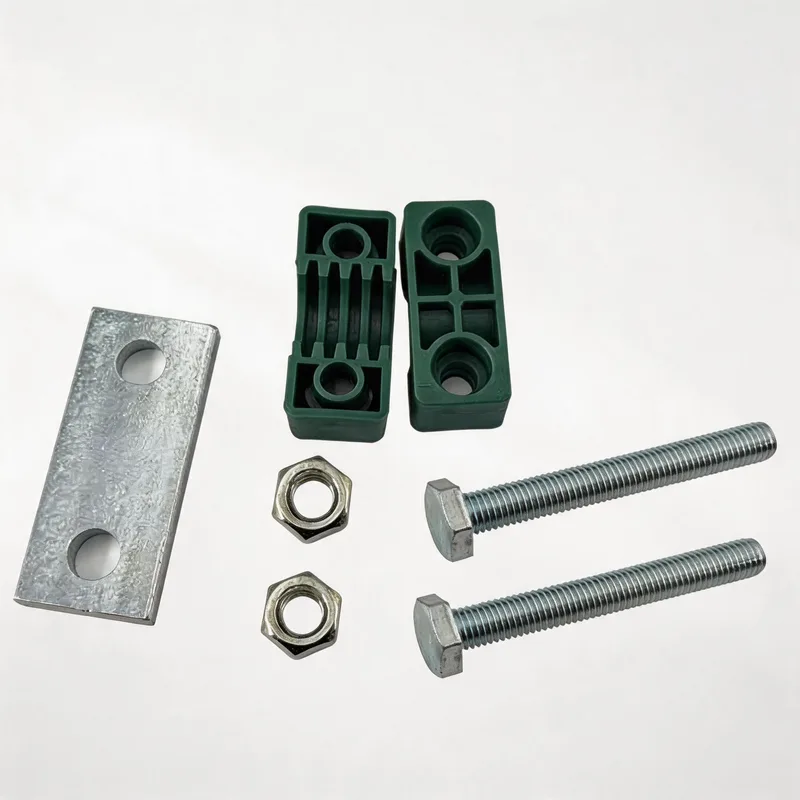
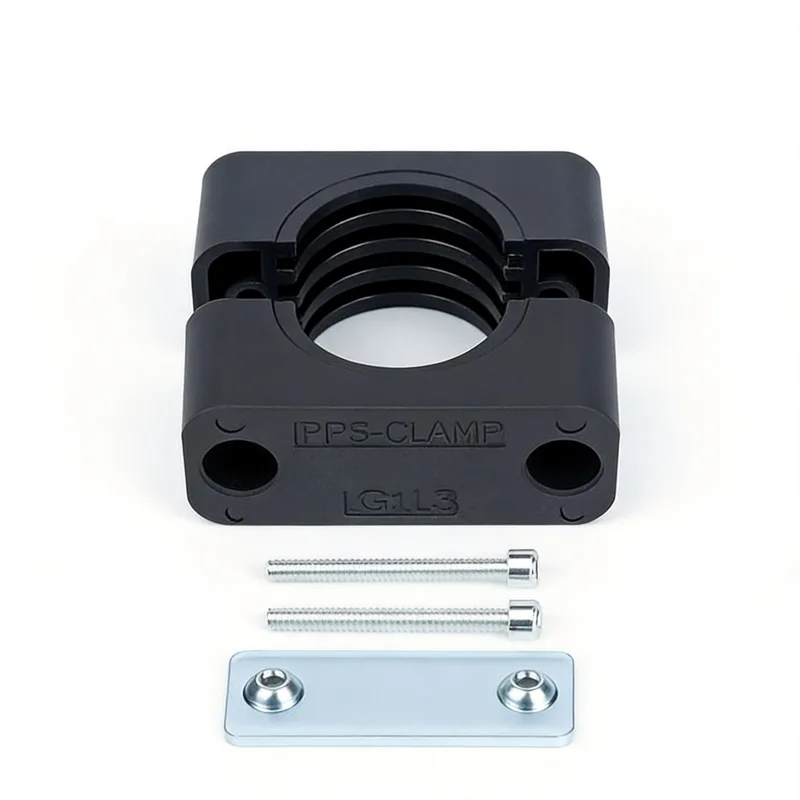
Typical use cases
- Do not copy a torque value without matching the stated friction condition
- Lubrication and coatings can materially change achieved preload
- Property class alone is not enough to define tightening torque
- Critical joints need a documented tightening and inspection method
Tightening-control comparison
| Method | What it controls | Main limitation |
|---|---|---|
| Torque control | Applied turning moment | Preload varies with friction |
| Torque plus angle | Snug point followed by controlled rotation | Needs validated joint stiffness and procedure |
| Direct tension / elongation | Bolt tension more directly | More equipment, access and process control |
The appropriate method depends on joint criticality, access, production volume and the required preload accuracy.
Torque is only an indirect route to preload
Tightening stretches the bolt and compresses the clamped parts. That elastic interaction creates preload. Torque is convenient for production, but changes in friction can cause different bolt tension even when the tool reaches the same setting.
Why dry, plated and lubricated values differ
Thread coating, lubricant, surface roughness, washer condition and repeated tightening all affect friction. Lower friction generally produces more preload from the same torque, so applying a dry torque value to a lubricated fastener can overload the joint.
Why a generic torque chart can be misleading
A chart may assume a particular property class, pitch, friction coefficient, percentage of proof load and bearing arrangement. If those assumptions are not shown or do not match the assembly, treat the chart as a starting reference rather than an approved production instruction.
When more controlled tightening is justified
High cyclic load, sealing, safety-critical service, soft gaskets, stainless galling risk or narrow preload windows may justify torque-angle, elongation, tension indicating or other validated methods. The joint designer should define the method and acceptance criteria.
Assembly and inspection checklist
Confirm clean undamaged threads, correct mating parts, specified washer and bearing surface, approved lubricant or dry condition, calibrated tooling, tightening sequence and any retightening rule. Record the actual method and lot conditions for critical joints.
RFQ data for repeatable tightening
Provide the complete fastener designation, property class or material, coating, lubricant, nut and washer, joint drawing, target preload or approved torque range, tightening method, inspection plan, reuse policy and certificate requirements.
Frequently asked questions
Can one torque value be used for every bolt of the same size?
Not safely without matching conditions. Bolt class, pitch, coating, lubricant, nut, washer, bearing surface and tightening method all influence the preload produced by a given torque.
Does lubrication require a higher torque?
Usually no. Lubrication generally reduces friction, so the same torque can create more preload and may overload the bolt or joint. Use a tightening value approved for the specified lubricated condition.
What should an RFQ say about tightening?
State the fastener standard, size, pitch, property class or material, coating, lubricant or dry condition, mating parts, washer, tightening method, target preload or approved torque range, and inspection requirement.
Related WeiQue series


Recommended reading
References
This guide explains practical tightening-control risks. Final preload, torque and assembly procedures must be validated for the actual joint and applicable standards.