
Many clamp enquiries arrive with labels such as DN20, NPS 3/4, NB 25, 1/2 inch pipe or 12 mm tube. These labels are useful, but they are not all the same type of dimension.
For a DIN 3015 clamp quotation, the controlling value is the outside diameter at the clamp position. This page explains how to convert or verify nominal information before choosing the clamp bore, series and hardware.
For DIN 3015 clamp quotations, treat DN, NPS, NB and inch labels as references until they are converted to the actual outside diameter at the clamp position. The RFQ should separate the nominal label from the verified OD.
Related product photos
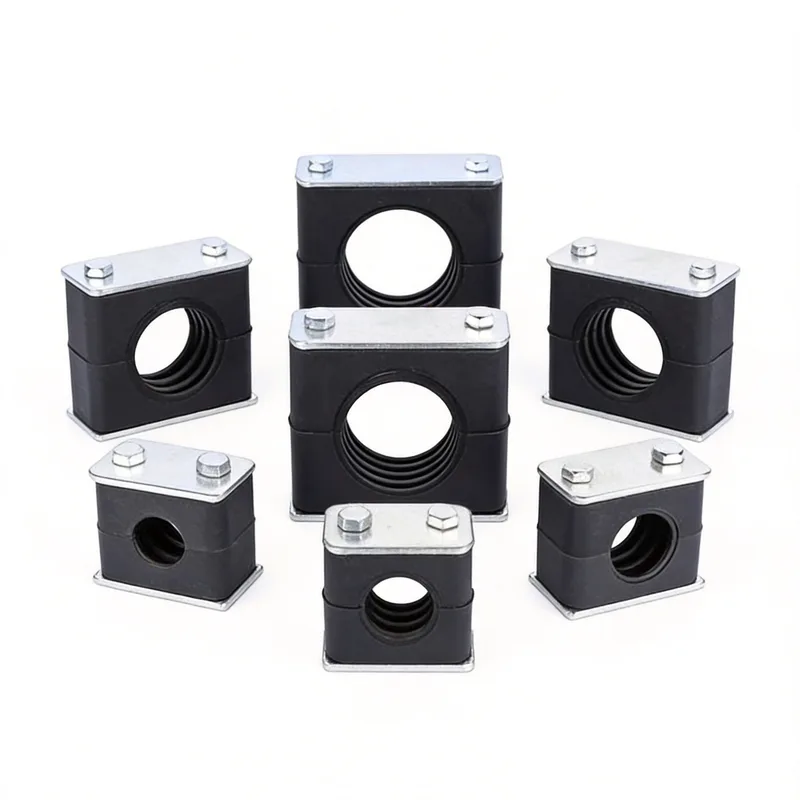
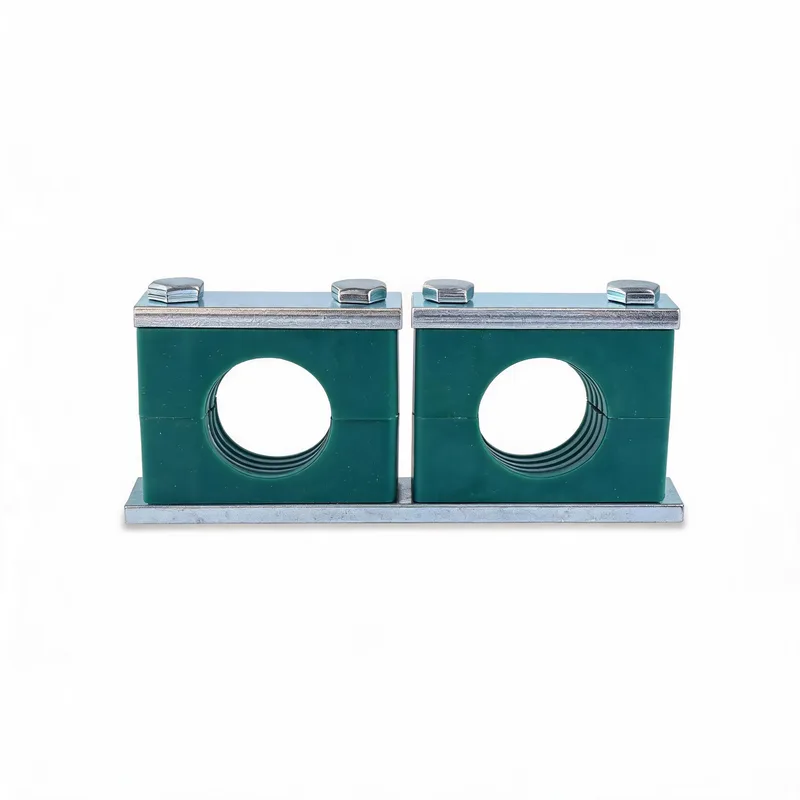
Typical use cases
- DN, NPS and NB are nominal pipe designations, not direct clamp bore sizes
- Fractional inch labels may mean actual tube OD, nominal pipe size or thread size
- The pipe or tube standard must be known before any conversion is trusted
- A measured OD with unit is the fastest path to a correct DIN 3015 quotation
How to read common enquiry labels
| Customer writes | Likely meaning | Risk if copied as clamp size | What to confirm |
|---|---|---|---|
| DN20 | Nominal metric pipe designation | May be mistaken for 20 mm OD | Pipe standard and actual OD |
| NPS 3/4 or NB 20 | Nominal inch pipe family | May be treated as 19.05 mm or 20 mm | Dimensional standard, schedule and OD |
| 1/2 inch tube | Often actual tube OD of 12.70 mm | May be rounded to 12 mm incorrectly | Whether it is tube OD or nominal pipe |
| G 1/2, BSP 1/2, NPT 1/2 | Thread or connection designation | Does not identify the tube under the clamp | Measure the straight tube section |
A quotation can mention the nominal label for reference, but the ordered clamp size should be tied to the verified outside diameter.
1. Classify the size label before converting it
Do not put every number into the same conversion table. DN and NPS are nominal pipe designations. Fractional inch values may be actual tube OD, nominal pipe size, hose dash context or thread size. A millimeter value may be actual OD or only a catalog shortcut. Classifying the label prevents the most common wrong-bore quotations.
2. Identify the pipe or tube standard
The same nominal label can lead to different physical dimensions when the project uses ASME pipe, EN pipe, metric hydraulic tube, stainless instrumentation tube, plastic pipe or a custom OEM tube. Ask for the standard, material and wall thickness or schedule before locking the bore.
3. Convert to OD, then check the real support surface
After the standard is known, convert the nominal label to outside diameter or measure the installed tube directly. Then check whether the clamp will sit on bare metal, paint, galvanized coating, insulation, a protective sleeve or a hose cover. The clamp bore must match the supported surface, not only the bare pipe table.
4. Select the clamp only after OD, series and assembly are aligned
Once the OD is verified, choose the DIN 3015 series from load, vibration, layout and mounting conditions. Then define the assembly: body material, cover plate, weld plate or rail, bolts, rail nuts, stacking hardware, coating and certificate requirements. This avoids a technically correct bore but an incomplete installation kit.
5. RFQ wording that prevents size mistakes
A good enquiry says: "DN20 / NPS 3/4 for reference; actual pipe OD 26.7 mm at clamp position; carbon steel pipe, ASME standard, painted surface; DIN 3015 standard series preferred; complete assembly with weld plate and cover plate required." This wording separates the nominal label from the purchasable clamp dimension.
Frequently asked questions
Can I send DN or NPS first and confirm OD later?
Yes for preliminary discussion, but the final quote and order should identify the verified outside diameter, pipe standard and supported surface at the clamp point.
Is a 1/2 inch pipe clamp the same as a 1/2 inch tube clamp?
Not automatically. A 1/2 inch tube label often means 12.70 mm actual OD, while 1/2 inch nominal pipe can have a different standardized OD. Confirm which system the label belongs to.
What is the best RFQ format when the drawing only shows nominal size?
Keep the nominal label for reference, then add pipe standard, schedule or wall thickness, measured OD if available, surface condition, quantity, DIN 3015 series and complete assembly requirements.
Related WeiQue series


Recommended reading
References
These pages summarize public standard metadata and industry application information. They do not reproduce the paid DIN standard text.