
“Pipe clamp” can mean the polymer body halves, a clamp with cover plate and bolts, or a complete installation set including the mounting base. Quotations become difficult to compare when suppliers use the same phrase for different scopes.
Define the required installation method first, then list every component and quantity per clamp point. This prevents a low-looking quote from arriving without the hardware needed on site.
Body-only normally means two matching clamp halves. An installation-ready assembly may also require a cover plate, bolts, welded base or rail nuts, rail and locking or stacking components.
Related product photos
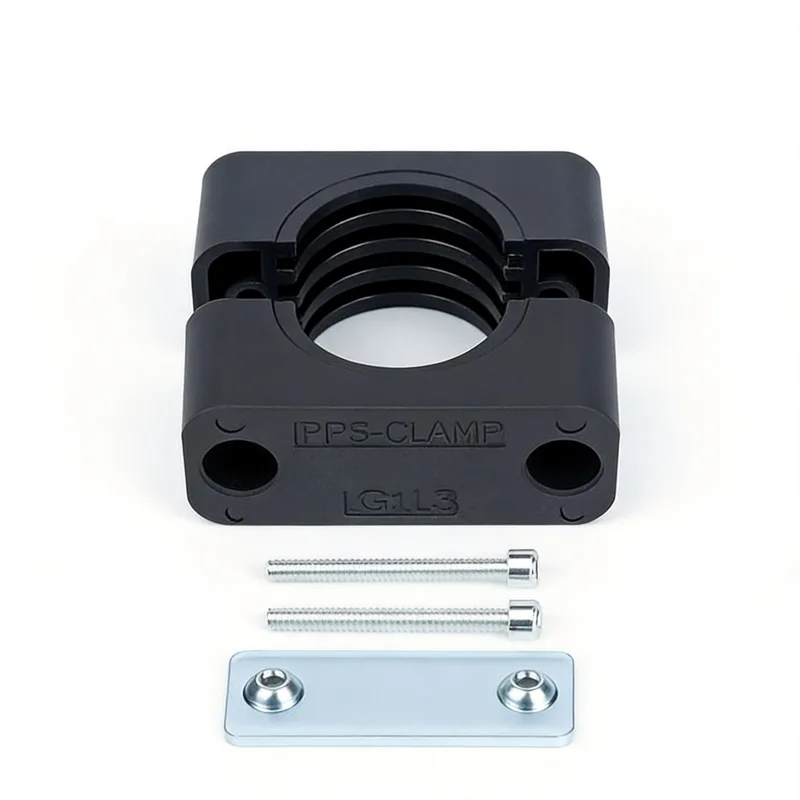
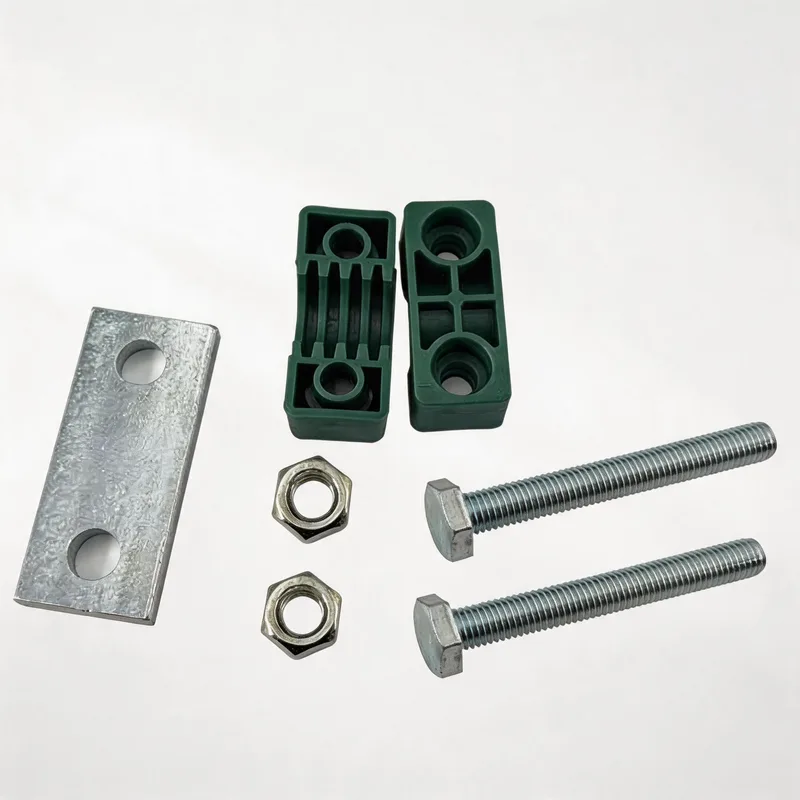
Typical use cases
- Specify body-only, upper assembly or complete mounted assembly
- State welded plate, rail, stud or stacking installation
- List quantities per clamp point, not only total loose parts
- Compare supplier quotes using the same BOM scope
Common ordering scopes
| Order scope | Typical components | Best used when | Check carefully |
|---|---|---|---|
| Body halves only | Two matching clamp body halves | Existing hardware is verified and reusable | Series, group, bore and material |
| Upper clamp assembly | Body halves, cover plate and clamp bolts | Base or rail mounting already exists | Bolt length, thread and base compatibility |
| Complete weld-plate assembly | Bodies, cover, bolts and weld plate | New fixed support points | Plate style, weld access and finish |
| Complete rail assembly | Bodies, cover, bolts, rail nuts and specified rail | Adjustable or repeated support layouts | Rail profile, nut type and end restraint |
Supplier terminology varies. Attach a BOM or drawing instead of relying only on “complete set” wording.
1. What body-only purchasing really assumes
Body-only purchasing assumes the existing cover, bolts, base plate or rail nut are dimensionally compatible, structurally sound and suitable for reuse. Inspect corrosion, thread damage, deformation and unknown bolt grades before keeping old hardware.
2. Why complete assemblies reduce site omissions
A matched assembly puts the correct body, cover, bolts and mounting components into one controlled BOM. This is especially useful for exports, shutdown maintenance, remote sites and production lines where one missing rail nut or wrong bolt length can delay installation.
3. Choose the mounting BOM before requesting price
Decide whether the support uses a welded plate, rail and rail nut, stud, stacking bolt or special bracket. Then define material and finish for every metal part. A clamp body price alone cannot represent the installed cost.
4. RFQ wording that prevents incomplete quotes
State the number of complete clamp points and attach a per-point BOM: two body halves, one cover plate, two bolts, one base plate or two rail nuts, plus any locking or stacking parts. Ask suppliers to mark exclusions and optional items separately.
Frequently asked questions
What is normally included when ordering clamp bodies only?
Usually the two matching body halves for one tube position. Cover plate, bolts, base plate, rail nut and other mounting hardware should be confirmed separately.
When is a complete clamp assembly the safer order?
For new installations, cross-brand replacements, missing hardware, corrosion upgrades or uncertain bolt lengths, a matched complete assembly reduces compatibility and omission risk.
Related WeiQue series


Recommended reading
References
These pages summarize public standard metadata and industry application information. They do not reproduce the paid DIN standard text.