
HFC water glycol fluid is a water-based fire-resistant hydraulic fluid. It is not the same as mineral hydraulic oil, but it is also not the same risk profile as HFD phosphate ester fluid.
For pipe clamp selection, the main questions are glycol concentration, water content, temperature, splash or residue exposure, corrosion of metal hardware and whether vibration requires a cushioned or heavier clamp assembly.
Related product photos
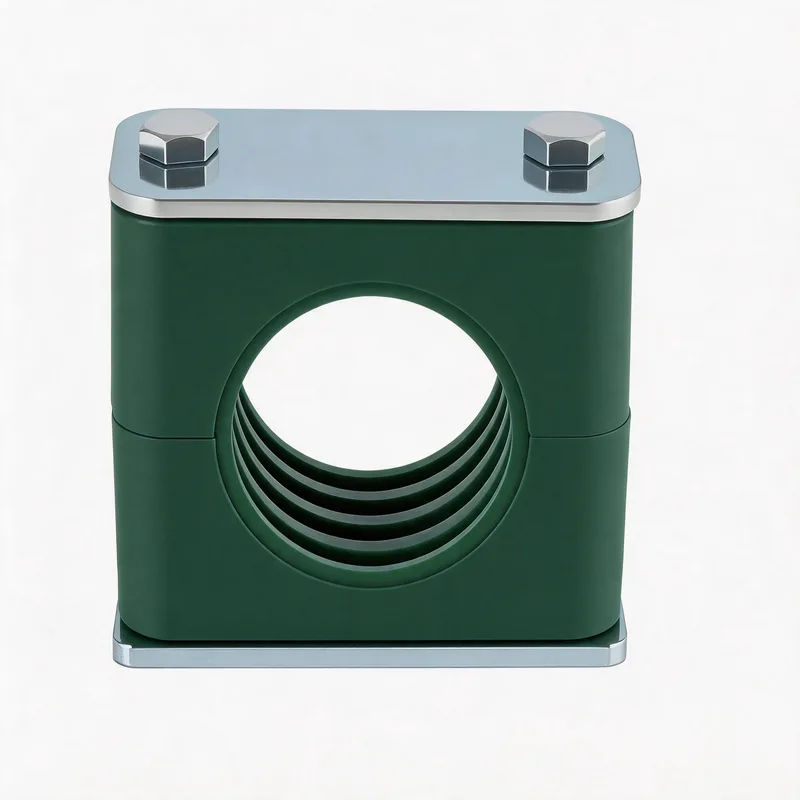
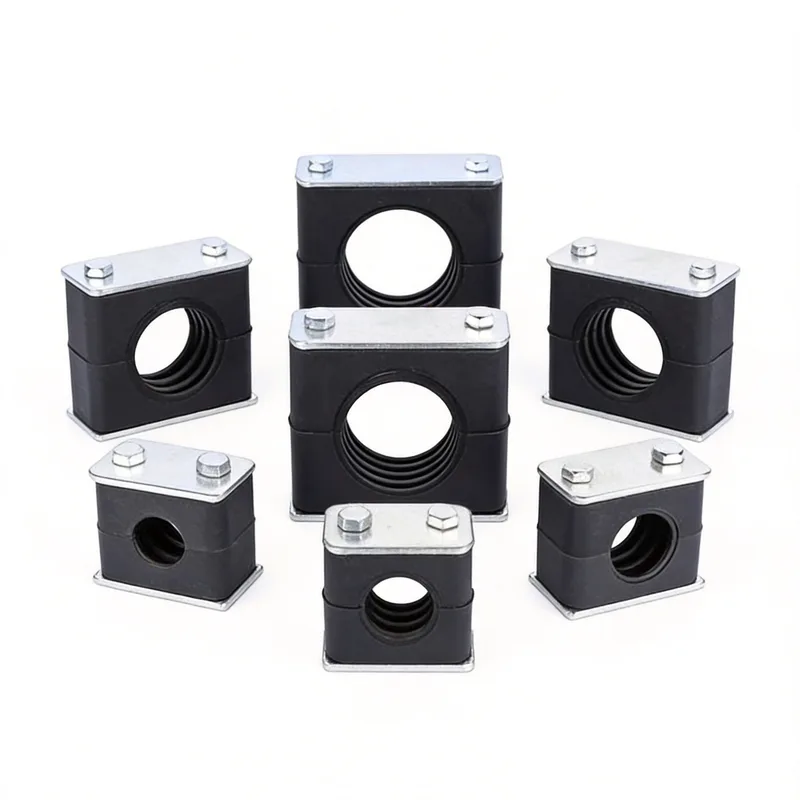
Typical use cases
- Do not copy a mineral-oil clamp BOM without checking water-glycol exposure
- Review PP and PA by fluid concentration, temperature and exposure time
- Review NBR cushions by the exact HFC product and temperature
- Check carbon-steel rails, plates and bolts for water-based corrosion risk
- Confirm washdown, mist and residue exposure before release
Initial review for HFC water glycol service
| Clamp item | Typical review | Risk to check | RFQ note |
|---|---|---|---|
| PP body | Common review point | Temperature, water-glycol residue and long contact time | Send glycol percentage and temperature |
| PA body | Review for toughness | Moisture, dimensional stability and temperature margin | State indoor, outdoor or washdown service |
| NBR cushion | Possible but confirm | Exact fluid package, temperature and aging | Do not reuse HFD assumptions |
| Rails, plates and bolts | Corrosion review required | Water-based fluid, cleaning, trapped liquid and coating damage | Specify stainless or coating if needed |
HFC service is usually a compatibility and corrosion review, not just a clamp body selection.
1. Why HFC needs its own review
HFC water glycol contains significant water and glycol, so the clamp environment may include moisture, residue, vapor and cleaning exposure. A material that works well with mineral oil can still need review when water-based fluid remains on the clamp body or hardware.
2. PP, PA and NBR are not selected alone
PP or PA body selection depends on temperature, fluid contact and mechanical demand. NBR cushions can be useful for vibration, but the exact HFC product and temperature should be checked before approval. The clamp series and spacing may matter as much as the polymer name.
3. Hardware corrosion is often the hidden issue
Because HFC is water-based, carbon-steel rails, base plates, cover plates and bolts need their own corrosion decision. Check whether liquid can collect under a clamp, inside rail channels or around welded plates, and specify stainless steel or suitable coatings where drainage or washdown is difficult.
4. RFQ checklist for HFC service
Send the fluid trade name, glycol percentage, temperature, pipe OD, pipe material, pressure, vibration source, indoor or outdoor location, washdown exposure, preferred clamp series, hardware finish, required certificates and whether the line is a new build or replacement.
Frequently asked questions
Can standard PP or PA pipe clamps be used with HFC water glycol fluid?
Often they can be reviewed, but they should not be released from the material name alone. Confirm glycol concentration, water content, operating temperature, cleaning practice and whether the clamp sees splash, mist, residue or continuous contact.
Is NBR suitable for HFC water glycol service?
NBR is usually a better review candidate for HFC than for HFD phosphate ester service, but it still needs confirmation against the exact fluid, temperature and exposure mode.
What should be included in an HFC clamp RFQ?
Send pipe OD, pipe material, clamp series, HFC fluid name, glycol percentage, operating temperature, ambient condition, pressure, vibration, washdown exposure and required hardware finish.
Related WeiQue series


Recommended reading
References
These pages summarize public standard metadata and industry application information. They do not reproduce the paid DIN standard text.