
Clamp tightening torque is not the same as a structural bolt’s full preload torque. On DIN 3015 style clamps with a PP/PA insert, the bolt is tightened until the body halves seat evenly on the tube — over-tightening cracks the polymer insert long before the bolt reaches its rated tension.
This page lists WeiQue’s recommended and maximum tightening torques by series and size group, together with the bolt class and lubrication conditions the values assume. Use a calibrated torque wrench and treat the maximum column as a hard limit for plastic-insert clamps.
Related product photos
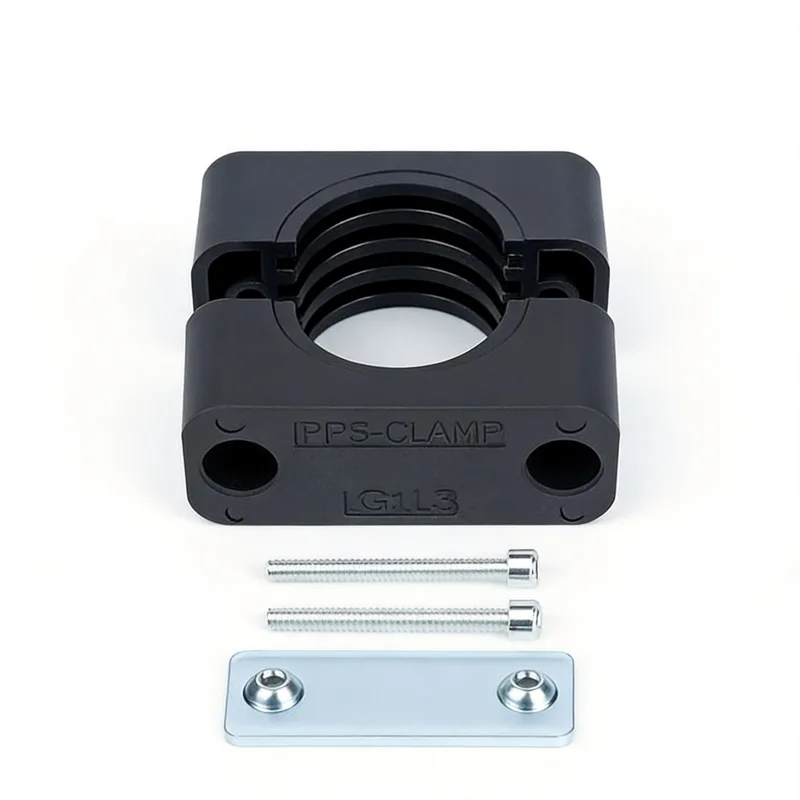
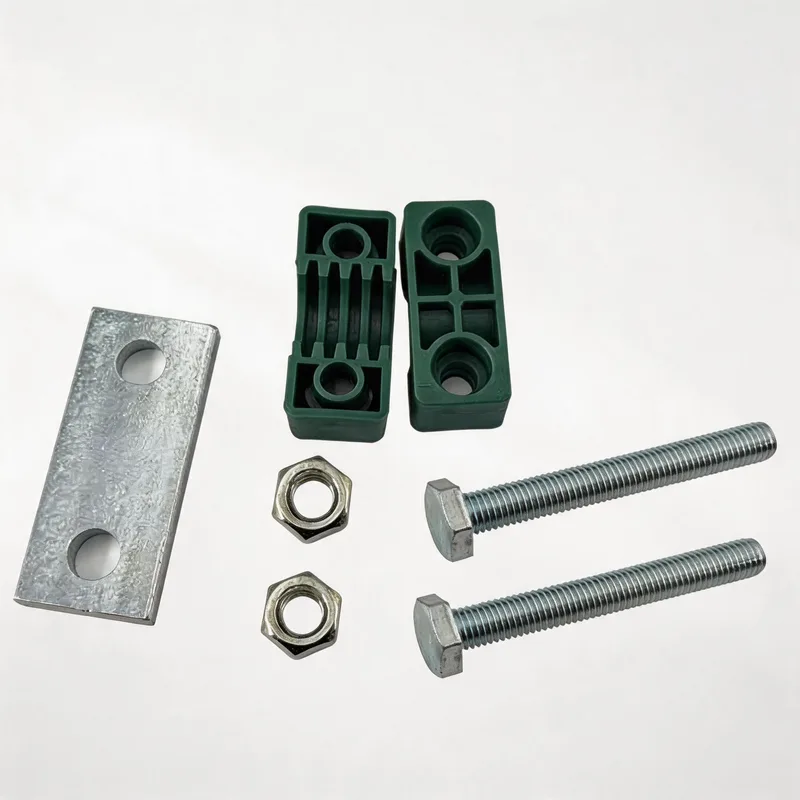
Typical use cases
- Values assume dry, zinc-plated carbon steel bolts of property class 8.8, tightened with a calibrated torque wrench
- For PP/PA insert clamps, never exceed the maximum torque — the insert cracks before the bolt yields
- For stainless bolts apply about a 0.85× lubrication factor and anti-seize to avoid galling
- Tighten body bolts evenly in steps so both halves close parallel to the tube
- For sizes or bolt classes not listed, or for special service, confirm the value with WeiQue
WQL light series — tightening torque (M6, PP/PA insert)
| Size group | Tube OD (mm) | Bolt | Recommended (Nm) | Maximum (Nm) |
|---|---|---|---|---|
| L0 / L1 | 6 – 12 | M6×20 | 4 | 6 |
| L2 | 12.7 – 18 | M6×25 | 4 | 6 |
| L3 | 19 – 25 | M6×30 | 5 | 6 |
| L4 | 26.9 – 30 | M6×35 | 5 | 6 |
| L5 | 32 – 42 | M6×50 | 5 | 7 |
| L6 | 44.5 – 50.8 | M6×60 | 6 | 8 |
| L7 | 57.2 – 73 | M6×90 | 6 | 8 |
| L8 | 76.1 – 102 | M6×110 | 6 | 8 |
Tighten until the body halves seat evenly; do not exceed the maximum — the PP/PA insert cracks before the M6 bolt yields.
WQT twin series — tightening torque (PP/PA insert)
| Size group | Tube OD (mm) | Bolt | Recommended (Nm) | Maximum (Nm) |
|---|---|---|---|---|
| T1 | 6 – 12 | M6 | 4 | 6 |
| T2 – T5 | 12.7 – 42 | M8 | 10 | 14 |
Twin clamps carry two lines on one base; seat both bodies evenly and stay within the maximum.
WQH heavy series — tightening torque (metal body)
| Size group | Tube OD (mm) | Bolt | Recommended (Nm) | Bolt class |
|---|---|---|---|---|
| H1 | 6 – 18 | M10×45 | 35 | 8.8 |
| H2 | 18 – 30 | M10×60 | 35 | 8.8 |
| H3 | 30 – 42 | M10×70 | 35 | 8.8 |
| H4 | 42 – 75 | M12×100 | 65 | 8.8 |
| H5 | 75 – 88.9 | M16×130 | 155 | 8.8 |
| H6 | 88.9 – 114 | M20×190 | 310 | 8.8 |
| H7 | 140 – 177.8 | M24×220 | 535 | 8.8 |
| H8 | 193.7 – 219 | M30×300 | 1050 | 8.8 |
| H9 | 219 – 273 | M30×450 | 1050 | 8.8 |
| H10 | 356 – 406 | M30×560 | 1050 | 8.8 |
| H11 | 419 – 508 | M36×710 | 1850 | 8.8 |
Heavy metal-body clamps follow standard class 8.8 bolt torque; the recommended value is the working tightening torque for the listed bolt.
Clamp torque is not bolt-yield torque
On a plastic-insert clamp the goal is to seat the body halves and hold the tube, not to develop maximum bolt preload. Generic bolt charts give the torque needed to tension a structural joint; applying those values to a PP/PA clamp would crush or crack the insert. Use the clamp values above and stop at the maximum.
What the values assume
The figures are for dry, zinc-plated carbon steel bolts of class 8.8 tightened with a calibrated torque wrench. Lubrication, coatings and stainless materials change the torque-to-tension relationship, so adjust accordingly — for stainless bolts apply roughly a 0.85× factor and an anti-seize compound to reduce galling. See the bolt torque versus preload guide for the underlying friction effects.
Light, twin and heavy series differ
WQL light and WQT twin clamps use a polymer insert with a low M6 or M8 torque and a strict maximum. WQH heavy clamps use a metal body with M10 to M36 bolts and follow standard structural class 8.8 torque, which rises steeply with bolt size. Always match the torque to the series and bolt actually supplied, not to the tube OD alone.
After installation
Where vibration is present, re-check tightening after the initial running-in period and follow any anti-loosening measure specified for the joint. Do not use extra torque to compensate for a clamp that is the wrong bore size — fix the fit instead. See the guides on preventing bolt loosening and on wrong-size clamps.
When values are not listed
For bolt sizes, classes or special service conditions not shown, or for the full reference document, download the WeiQue installation torque chart (WQ-TC-001) or send the series, size group, bolt and service details for confirmation.
Frequently asked questions
What tightening torque should a DIN 3015 pipe clamp use?
It depends on the series and bolt. WeiQue WQL light clamps use an M6 bolt at about 4–6 Nm, WQT twin clamps 4–14 Nm, and WQH heavy metal-body clamps run from 35 Nm (M10) up to 1850 Nm (M36). Use the value for the actual series and bolt, and never exceed the maximum on plastic-insert clamps.
Why is the torque so low on plastic pipe clamps?
Because you are seating a PP/PA insert around the tube, not tensioning a structural joint. The body halves should close evenly with light M6 torque; applying full bolt-yield torque cracks the polymer insert before any benefit is gained.
Do stainless steel clamp bolts use the same torque?
Not exactly. Stainless threads gall easily, so apply an anti-seize compound and reduce torque by roughly a 0.85× factor relative to the dry zinc-plated class 8.8 values, then verify against the joint requirement.
Related WeiQue series


Recommended reading
References
Torque values are taken from the WeiQue installation torque chart and apply to the WeiQue clamp series listed. They are not a substitute for a project-specific tightening specification.