
A replacement clamp should not be selected from color or one visible dimension. Different DIN 3015 series can support similar tube diameters while using different body heights, bolt sizes, base plates and load capacities.
Measure the tube first, then document the complete installed assembly. Clear photos and a few controlled dimensions are usually more useful than guessing a competitor part number.
Identify a replacement by measuring tube OD first, then body width and height, bolt spacing, mounting style, material and visible markings. Several scaled photos reduce identification errors.
Related product photos
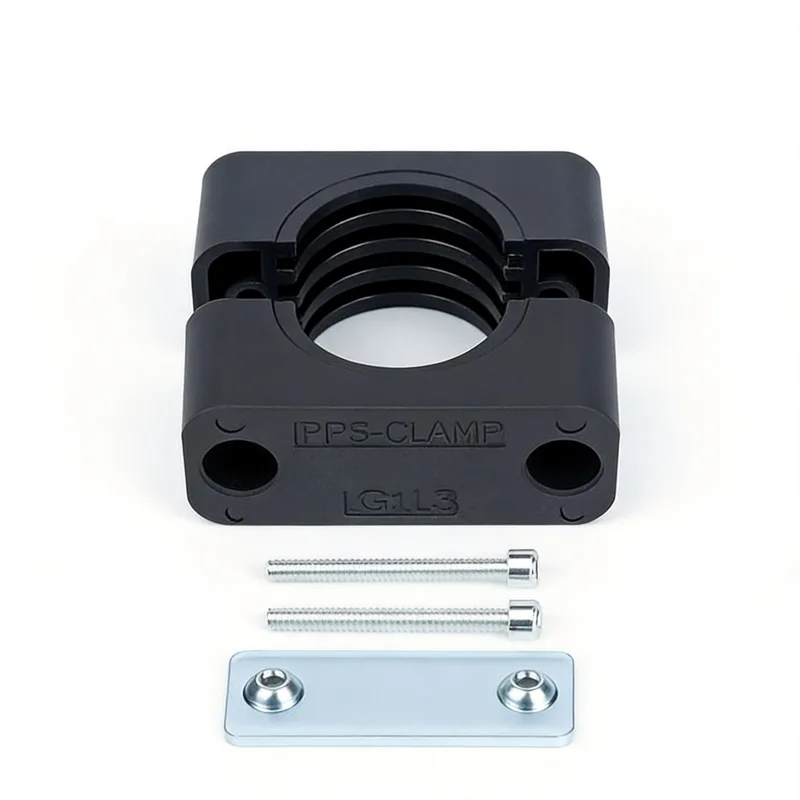
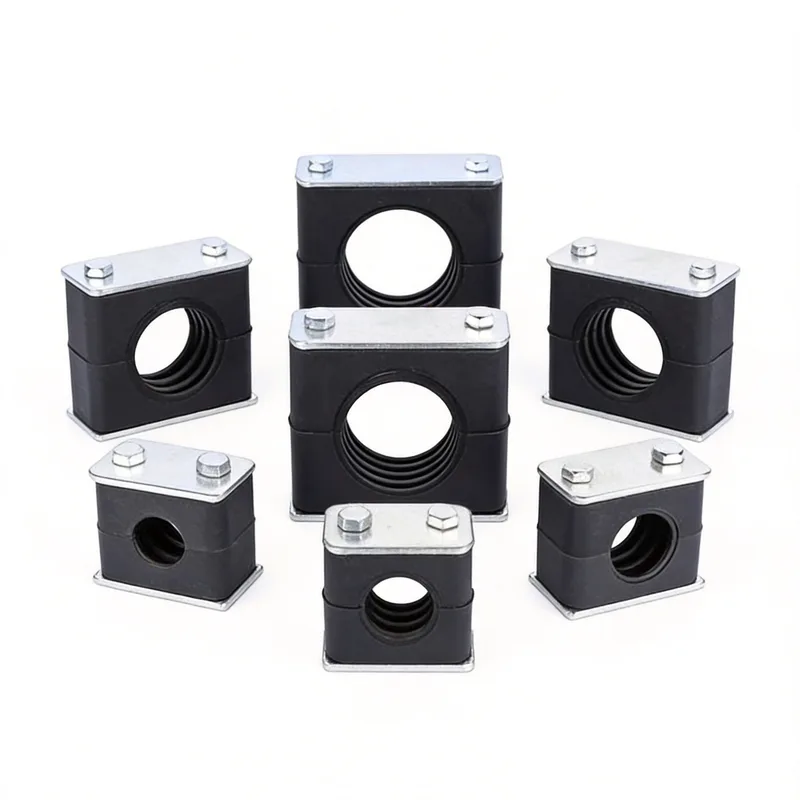
Typical use cases
- Measure tube OD independently from the old clamp bore
- Photograph front, side, top, base and any markings
- Record bolt spacing, body width and installed height
- Order the required body, plate, bolts and mounting parts as one BOM
Replacement measurement checklist
| Item | What to record | Why it matters |
|---|---|---|
| Tube | Actual OD, material and wall if known | Defines the clamp bore |
| Clamp body | Width, height, length and visible marking | Helps identify series and size group |
| Fasteners | Bolt diameter, length and center spacing | Checks assembly compatibility |
| Mounting | Weld plate, rail, stud or stacked layout | Defines the required accessories |
| Environment | Fluid, temperature, vibration and corrosion | Checks material and series suitability |
Do not remove a clamp from an operating or pressurized system solely for measurement. Follow site isolation and maintenance procedures.
1. Make the system safe before inspection
Use site lockout, pressure isolation and maintenance procedures. Many useful dimensions and photos can be collected without loosening the installed clamp. Remove parts only when the equipment is released for maintenance.
2. Identify the series, not only the bore
Standard, heavy and twin series differ in body geometry, fasteners and mounting hardware. Compare body width, installed height, number of tube bores, bolt pattern and base style before approving a replacement.
3. Check material and service changes
A like-for-like dimensional replacement may still be unsuitable if the fluid, temperature, washdown, outdoor exposure or vibration has changed. Confirm body polymer, metal hardware finish and any damping insert against current service.
4. Send a replacement RFQ package
Send measured tube OD, all recorded dimensions, original marking, quantity, photos from several angles, mounting type, operating condition and whether the request is for clamp bodies only or complete assemblies. Mark any dimension that could not be measured safely.
Frequently asked questions
Can I replace a clamp using only the old brand and part number?
Use them as references, but verify tube OD, series, mounting dimensions, material and hardware. Similar-looking part numbers are not proof of complete interchangeability.
Which photos are most useful for a replacement quote?
Send front, side, top and base views, close-ups of markings, and at least one photo showing a caliper or scale on the tube OD and mounting dimensions.
Related WeiQue series


Recommended reading
References
These pages summarize public standard metadata and industry application information. They do not reproduce the paid DIN standard text.