
A low pipe clamp price is not always the same as a comparable pipe clamp quotation. One supplier may quote clamp bodies only, while another includes cover plates, weld plates, bolts, rail nuts, coating and certificates.
Before approving a DIN 3015 clamp order, check whether every quote line describes the same technical scope. This avoids missing hardware, wrong material, unexpected certificate gaps and installation delays.
Before approving a pipe clamp quotation, compare the installed clamp point: bore size, DIN series, body material, mounting hardware, fasteners, coating, certificate scope and exclusions. Body-only and complete assemblies should not be compared as the same item.
Related product photos
Typical use cases
- Confirm whether the quoted item is body-only or a complete clamp assembly
- Check bore size against actual tube OD, not only DN or NPS labels
- Make material and coating visible for body, plate, rail and bolts
- Ask suppliers to mark exclusions, optional items and certificate scope clearly
Quotation checks that prevent installation surprises
| Quote item | What to verify | Common risk |
|---|---|---|
| Clamp body | Bore, series, group, body material, insert type | Correct OD but wrong series or material |
| Mounting hardware | Weld plate, rail, rail nut, cover plate, stacking parts | Bodies arrive without installable hardware |
| Fasteners | Bolt size, length, grade, coating, stainless type | Wrong length or corrosion class |
| Documents | Datasheet, certificate type, material traceability, inspection report | Project documents requested after shipment |
Compare quotations by installed clamp point, not by the cheapest single component price.
1. Check the quoted scope first
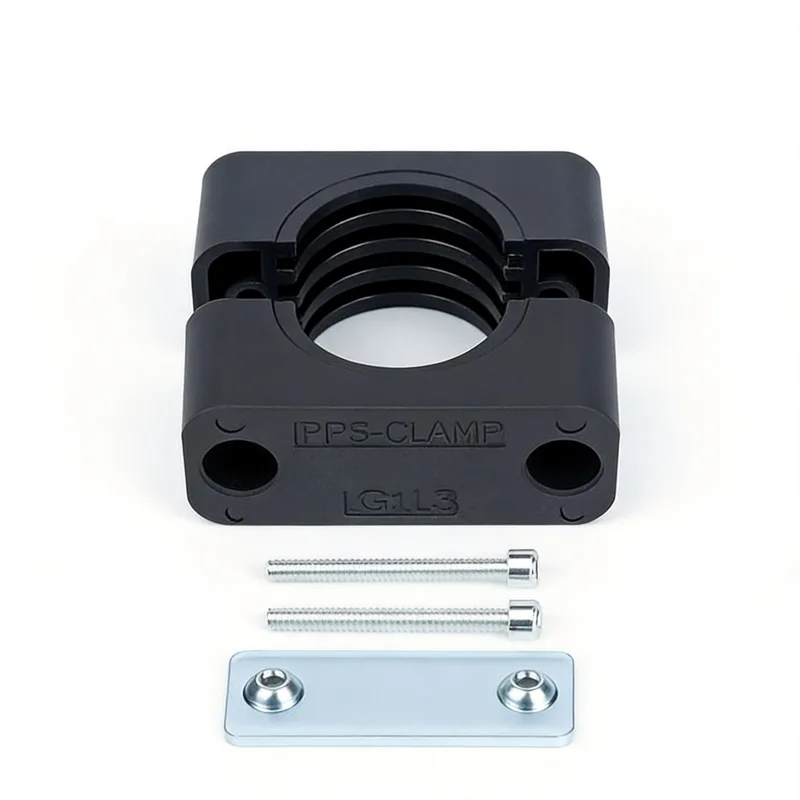
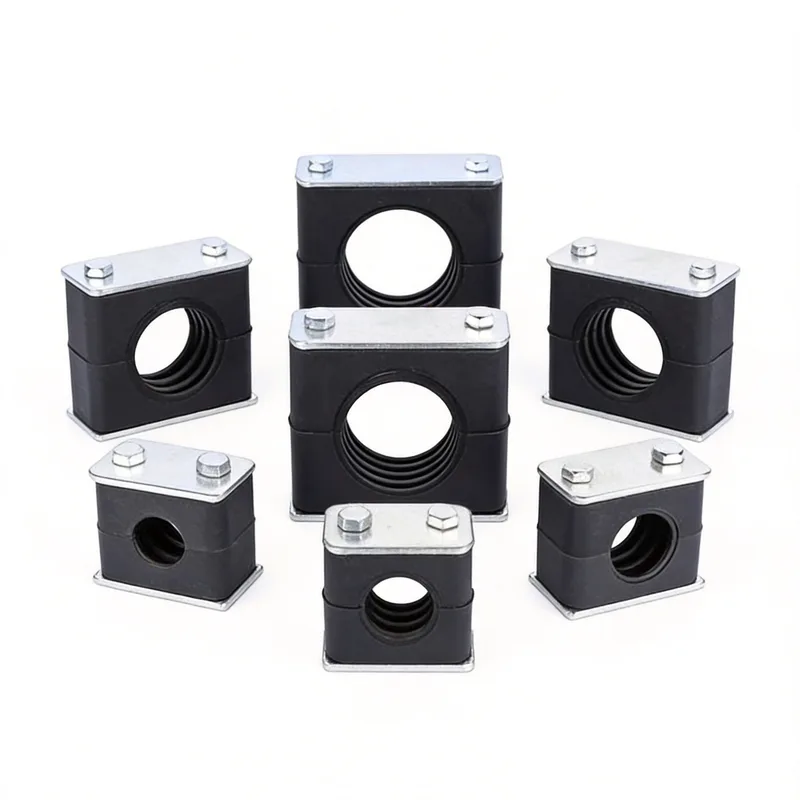
The first question is whether the quote covers clamp bodies only, a partial set or a complete assembly. A complete assembly normally names body halves, cover plate, bolts and either a weld plate or rail-mounting hardware. If the quote does not say this clearly, ask for a per-point BOM.
2. Verify bore and series from engineering data
The quotation should show the clamp bore or supported tube OD, plus the DIN 3015 series or equivalent product family. Do not approve a line that only says DN20, 1/2 inch pipe or hydraulic clamp unless the actual OD and series have already been agreed.
3. Separate body material from hardware material
A quote that says "stainless clamp" may refer to the body, the cover plate, the bolts or the whole assembly. For marine and chemical service, ask suppliers to state material for each component: body, plate, rail, bolt, nut and washer.
4. Confirm certificates before price approval
If the project requires EN 10204 3.1, ISO 9001, material reports, coating records or inspection documents, include them in the quotation review. A cheaper quote may become more expensive if certificates are added later or cannot be supplied for the quoted material.
5. Ask for exclusions and alternatives in writing
Before ordering, ask the supplier to mark what is excluded: rails cut to length, anchors, welding, coating, special bolts, certificates, packaging or freight. If an alternative material or series is proposed, it should be named as an alternative, not hidden inside the price line.
Frequently asked questions
Why are two pipe clamp quotations not directly comparable?
One quote may include only clamp bodies, while another includes cover plates, weld plates, bolts, rail nuts, coating and certificates. Compare by complete installed clamp point.
Should material be checked for every component?
Yes for corrosion-sensitive projects. A stainless body with zinc-plated bolts or carbon-steel plates may not satisfy a marine or chemical specification.
When should certificate requirements be confirmed?
Before order approval. Certificate type, covered components, traceability and inspection reports should be included in the quoted scope, not requested after shipment.
Related WeiQue series


Recommended reading
References
These pages summarize public standard metadata and industry application information. They do not reproduce the paid DIN standard text.