
A painted or coated pipe can be clamped successfully, but the coating becomes part of the contact interface. Its thickness, hardness, cure, adhesion and surface condition affect fit and movement.
The clamp must be selected for the final measured outside diameter, and the coating system must be approved for the contact pressure and support function at that location.
Yes, but select and inspect the clamp against the finished coated outside diameter, not the bare pipe size alone. The coating must tolerate the intended contact pressure and movement without crushing, cold flow, cracking or trapping moisture at damaged edges.
Related product photos
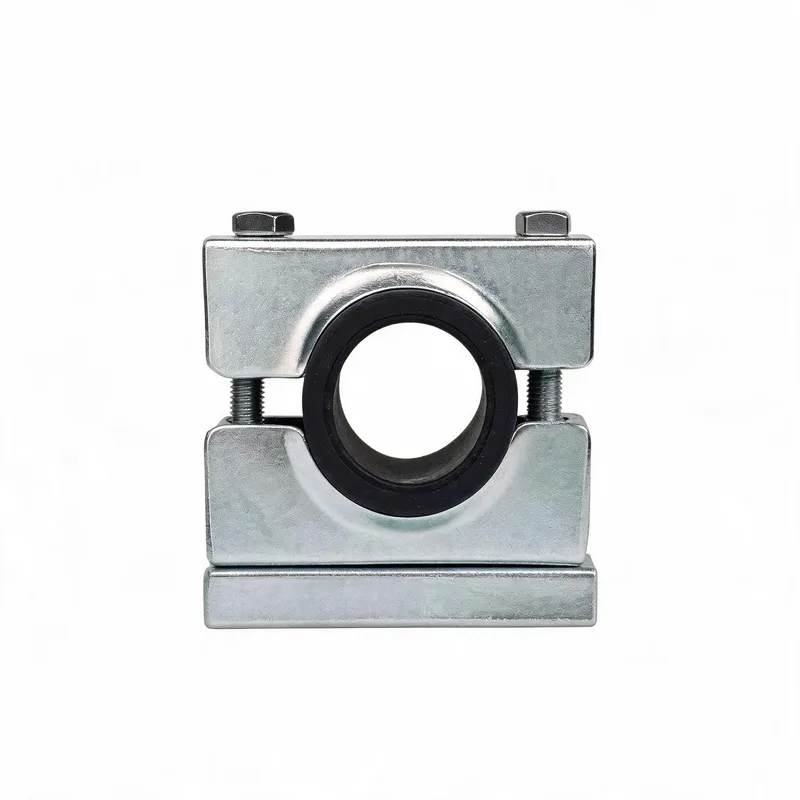
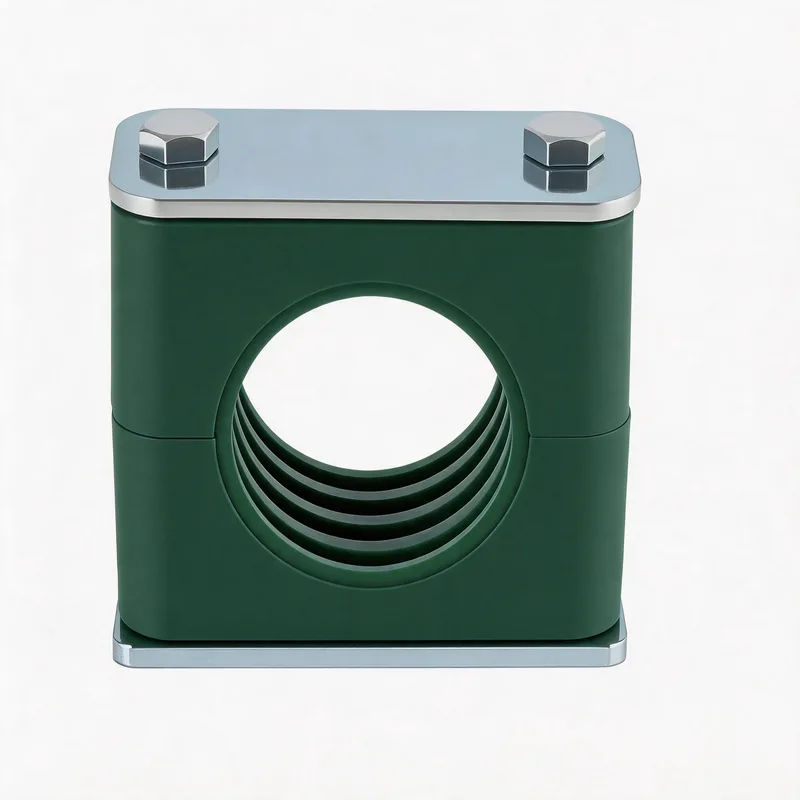
Typical use cases
- Measure the finished OD at the actual clamp location
- Confirm the coating is fully cured before final tightening
- Keep dirt, weld spatter and sharp edges out of the interface
- Inspect for indentation, polishing, cracking and trapped moisture
Coated-pipe clamp review matrix
| Condition | Main risk | Required control |
|---|---|---|
| Thin, hard, fully cured coating | Polishing or local wear under vibration | Finished OD, clean interface and movement inspection |
| Thick powder or high-build epoxy | Compression, cold flow and altered clamp fit | Measure final OD and confirm allowable contact pressure |
| Soft, uncured or recently repaired coating | Imprint, adhesion failure and preload loss | Respect cure time and approved reinspection interval |
| Damaged coating or exposed metal at clamp edge | Crevice corrosion and moisture retention | Repair system, drainage and compatible isolation detail |
Do not add coating thickness to a nominal pipe size by assumption. Measure the actual finished surface.
Measure after the coating process
Measure the outside diameter where the clamp will sit, preferably in more than one direction and at several representative locations. Masking edges, runs, repair patches and overspray can make the local diameter or roundness different from the drawing value.
Match the coating to the support function
A locating clamp, a vibration restraint and a fixed point impose different contact pressures and movement. A coating suitable under a lightly loaded guide may fail under a rigid restraint. Define whether the pipe should grip, guide or slide before approving the interface.
Avoid damage during installation
Clean clamp bores and pipe surfaces, remove weld spatter and protect the coating from sharp plate edges or dragged hardware. Tighten evenly using the approved procedure. Do not rotate or pull the pipe through a tightened clamp, because trapped grit can score both coating and tube.
Inspect after curing and initial operation
Where the coating can creep or compress, use a project-approved post-installation inspection rather than arbitrary retightening. Look for reduced bolt preload, body settlement, coating extrusion, polished marks, cracks, rust staining, moisture and movement witness-mark changes.
RFQ data for coated pipe
Send bare pipe OD and material, measured finished OD, coating type and thickness range, cure condition, operating and ambient temperature, support function, vibration, expected movement, indoor or outdoor exposure, clamp series, mounting method, quantity and inspection requirements.
Frequently asked questions
Should clamp size use the bare or coated pipe diameter?
Use the actual finished outside diameter at the clamp location. A thick coating, repair build-up or uneven overspray can change fit and contact pressure even when the nominal bare pipe size is unchanged.
Can a clamp damage paint or powder coating?
Yes. Excessive contact pressure, sharp edges, dirt, pipe movement, incomplete cure and thermal cycling can polish, indent, crack or remove a coating. Damage is more likely where the clamp acts as a rigid restraint or the line vibrates.
Should paint be removed under a pipe clamp?
Not as a universal rule. Removing a corrosion-protection coating can create a vulnerable crevice, while leaving an unsuitable coating can cause slip or damage. Follow the approved coating and support detail, including any masking, isolation layer or touch-up procedure.
Related WeiQue series


Recommended reading
References
These pages summarize public standard metadata and industry application information. They do not reproduce the paid DIN standard text.