
Zinc plating, hot-dip galvanizing and stainless steel can all improve fastener durability, but they solve different service problems.
The right choice depends on exposure, required strength, mating parts, coating thickness, maintenance plan and project specification. Do not select by appearance alone.
Related product photos
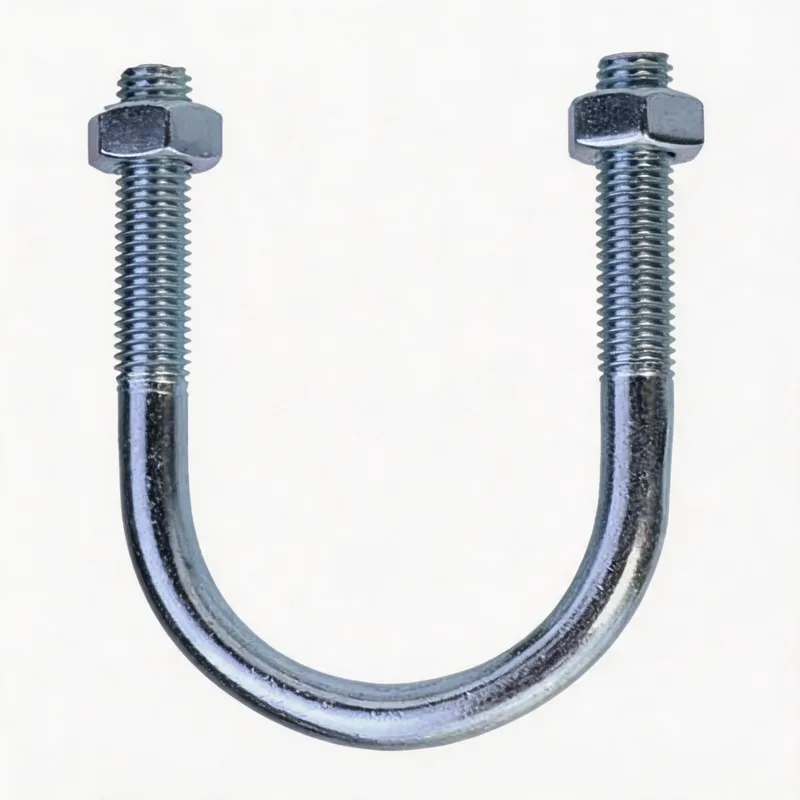
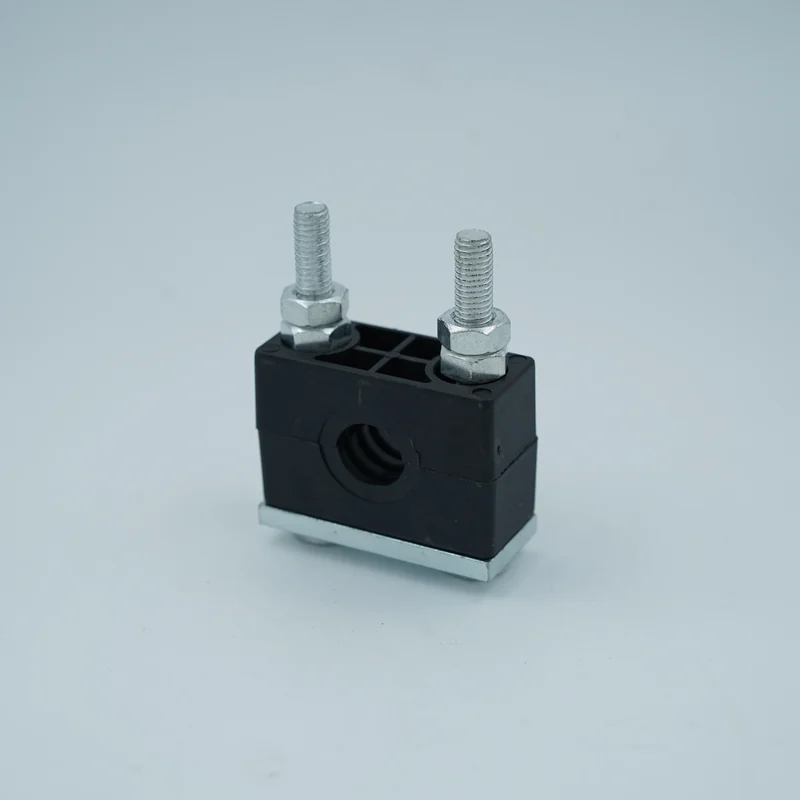
Typical use cases
- Zinc plating is a practical, economical option for indoor and controlled environments
- Hot-dip galvanizing provides a thicker protective zinc layer for many outdoor applications
- Stainless steel is often preferred for wet, hygienic, marine or chloride-exposed service
- Confirm compatible nuts, washers, threads and tightening controls for every option
Quick comparison
| Option | Typical environment | Key advantage | Key check |
|---|---|---|---|
| Zinc plated steel | Indoor machinery and controlled industrial spaces | Economical, neat finish and close thread fit | Coating specification and hydrogen embrittlement controls |
| Hot-dip galvanized steel | Outdoor steelwork and exposed infrastructure | Thick zinc protection and robust outdoor service | Oversize threads, coating buildup and matching hardware |
| Stainless steel | Wet, hygienic, marine and chloride-exposed service | Corrosion resistance without a sacrificial coating | Stainless grade, galling, galvanic contact and strength class |
Performance varies with specification, coating system, stainless grade, installation and actual exposure. Confirm project and supplier data before approval.
When zinc plating is a practical choice
Zinc-plated carbon steel is widely used for indoor machinery, brackets and pipe clamp assemblies. It offers an economical protective finish with relatively little dimensional buildup. Specify the plating system, passivation, required corrosion test and any restrictions on high-strength fasteners.
When hot-dip galvanizing fits outdoor service
Hot-dip galvanizing is commonly selected for outdoor steelwork and exposed infrastructure because it creates a much thicker zinc layer than typical electroplating. That thickness affects dimensions and thread fit, so bolts and nuts should be supplied as a compatible galvanized system rather than mixed casually.
When stainless steel is worth considering
Stainless fasteners are often chosen for wet processing, food equipment, marine service and environments where a damaged coating would be difficult to maintain. Select the stainless grade for the actual exposure and confirm that its mechanical properties meet the joint requirement.
Thread fit and coating thickness
Coating buildup can change thread fit, bearing surfaces and assembly torque. Hot-dip galvanized threads need particular attention to allowance and matching nuts. Do not chase or cut coated threads on site without approval because this can remove protection and change fit.
Strength and hydrogen embrittlement risk
Some plating and cleaning processes can introduce hydrogen into high-strength steel fasteners. The risk and required controls depend on material strength, process and specification. High-strength fasteners should only use an approved coating route with documented process control.
Galvanic contact and mixed materials
Mixing stainless fasteners with carbon steel, aluminum or galvanized components can create galvanic corrosion when moisture and electrolytes are present. Review the complete assembly, isolate dissimilar metals where necessary and consider drainage and maintenance access.
Cost, appearance and maintenance
Initial price is only one part of selection. Consider inspection frequency, access for replacement, coating repair, contamination requirements and expected service duration. A lower-cost finish may be appropriate indoors, while difficult-access or severe environments can justify a higher initial material cost.
RFQ checklist for coated and stainless fasteners
Provide the fastener standard or drawing, size, property class or stainless grade, finish specification, mating hardware, service environment, quantity, tightening method, corrosion test and certificate requirements. State whether mixed materials, marine exposure or high-strength parts are involved.
Frequently asked questions
Which finish is best for outdoor fasteners?
It depends on exposure. Hot-dip galvanizing is common for outdoor steelwork, stainless is preferred for wet or chloride exposure, and zinc plating is usually better for indoor or controlled environments.
Does hot-dip galvanizing change thread fit?
Yes. The thicker zinc layer can change thread allowance and assembly feel, so bolts and nuts should be specified as a compatible galvanized system.
Can stainless fasteners be mixed with galvanized parts?
Sometimes, but wet service needs a galvanic corrosion review. Consider isolation, drainage, contact area, maintenance access and the project corrosion specification.
Related WeiQue series


Recommended reading
References
This guide provides practical comparison points. Final finish, material and corrosion performance should be approved against the project specification and supplier process data.