
This page is for buyers searching for a hydraulic pipe clamp catalog PDF, DIN 3015 dimensions or a quick route from a tube list to a quotation. The downloadable catalog gives the product range; the checks below show which dimensions and options must be confirmed before ordering.
Start with actual tube outside diameter, then choose standard, heavy or twin series and define the mounting assembly. A catalog match is a selection starting point, not a substitute for confirming load, vibration, temperature, environment and the complete bill of materials.
Catalog range and assembly scope
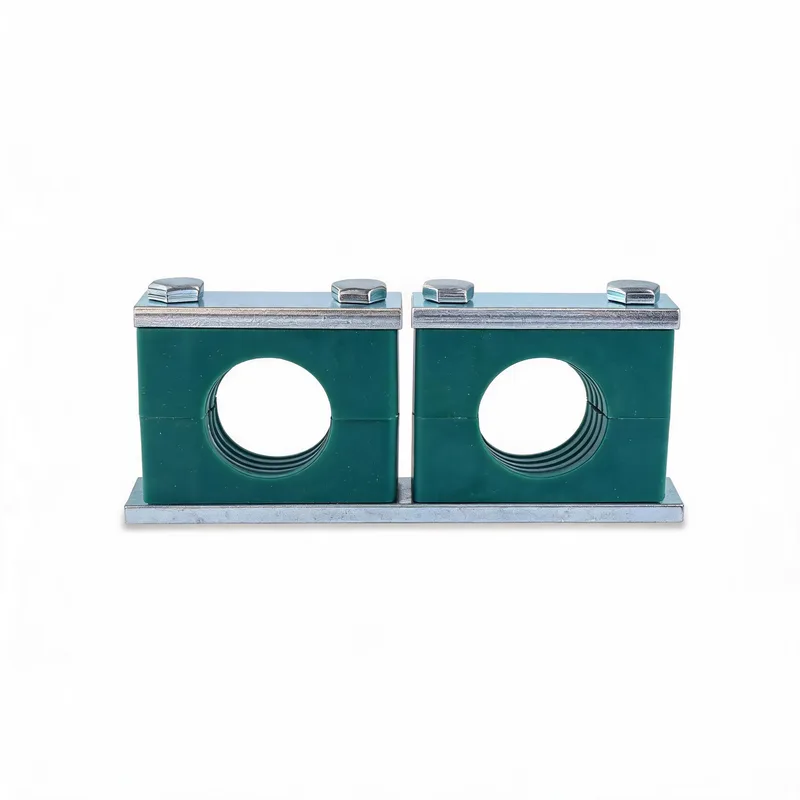
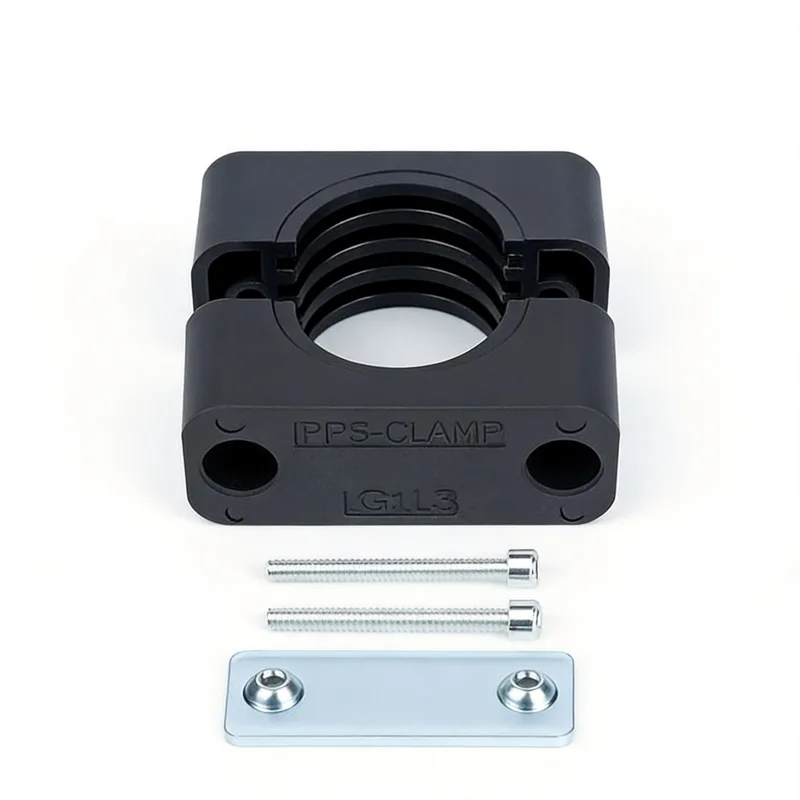
DIN 3015 series selection at a glance
| Series | Typical use | Data to confirm |
|---|---|---|
| Standard series | General hydraulic, pneumatic and machine tubing | Actual OD, vibration, body material and mounting |
| Heavy series | Higher loads, pulsation and larger tube sizes | OD, dynamic duty, group, base and bolt scope |
| Twin series | Parallel supply and return lines of the same OD | Both ODs, center spacing and line routing |
Use the catalog to shortlist a series, then ask for a dimensioned drawing when mounting interfaces or replacement interchangeability are critical.
Download the catalog, then search by actual tube OD
Hydraulic pipe clamps are matched to the outside diameter at the support point. DN, NPS, nominal bore, hose dash size and thread size do not uniquely define that diameter. Measure the finished OD, including any sleeve or coating, and use the tube-OD sizing guide when nominal labels are all you have.
Dimensions that matter before placing an order
Confirm the clamp bore and body group first. Then check body width and height, bolt spacing, base-plate or rail interface, bolt length and complete installed height. For replacement work, compare the mounting interface as well as the bore. The drawing and dimensions guide explains each callout in detail.
Define body material and mounting option
The same bore can be supplied with different body materials and hardware. State PP, PA or another required material; welded base, rail mounting, stacked arrangement or body-only supply; and zinc-plated or stainless hardware. Temperature, fluid exposure, UV, washdown, salt atmosphere and vibration may change the selection.
Catalog dimensions versus approved drawings
Catalog dimensions are suitable for initial layout and product screening. Use a supplier drawing for final interface approval, especially when replacing another brand, fitting an existing rail, stacking clamps or working with tight skid clearances. Record the drawing revision on the purchase order so receiving inspection checks the same configuration.
Send six fields for a quotation-ready enquiry
Send: 1) actual tube OD and quantity by size; 2) standard, heavy or twin series, or the duty for supplier confirmation; 3) body material; 4) body-only or complete mounting BOM; 5) fastener material and finish; and 6) delivery country plus required certificates. Attach a tube schedule, photo or drawing when available. The specification sheet template provides a copy-ready format.
Related WeiQue series


Recommended reading
References
These pages summarize public standard metadata and industry application information. They do not reproduce the paid DIN standard text.