
Stainless steel bolts gall. This is not a defect — it is a material property. The same austenitic structure (304/A2 and 316/A4) that gives stainless steel its corrosion resistance also makes it prone to adhesive wear during tightening. The bolt thread surface cold-welds to the nut thread under pressure, and the joint seizes — sometimes catastrophically, with the bolt head shearing off before the galling is noticed.
Galling is the number-one field complaint for stainless steel pipe clamp fasteners. It is entirely preventable with correct lubrication, controlled tightening speed and appropriate fastener specification. This guide explains the mechanism, the prevention methods and the torque adjustments required when anti-seize is used.
Related product photos
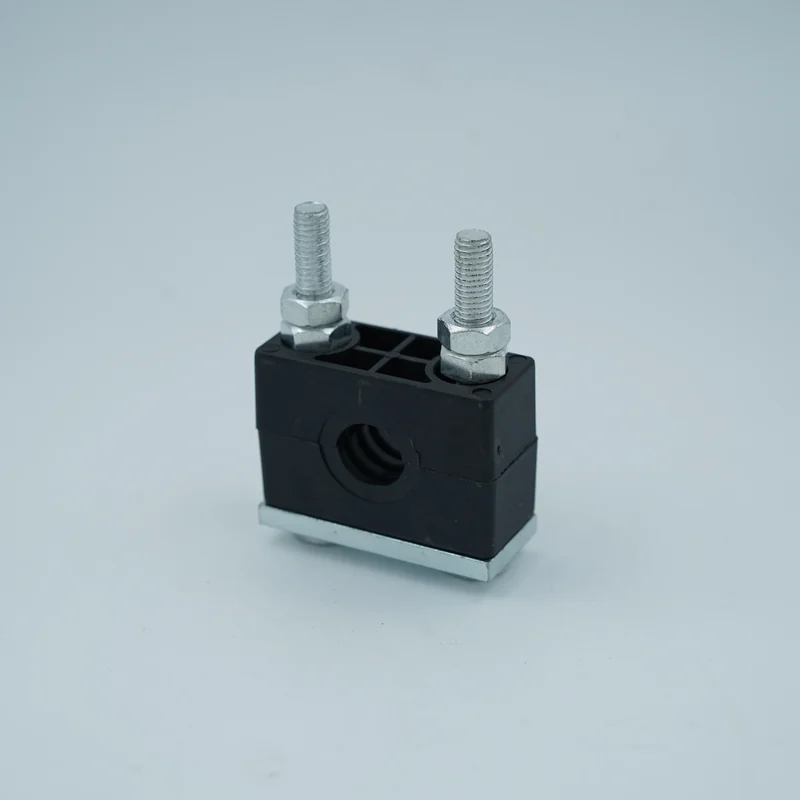
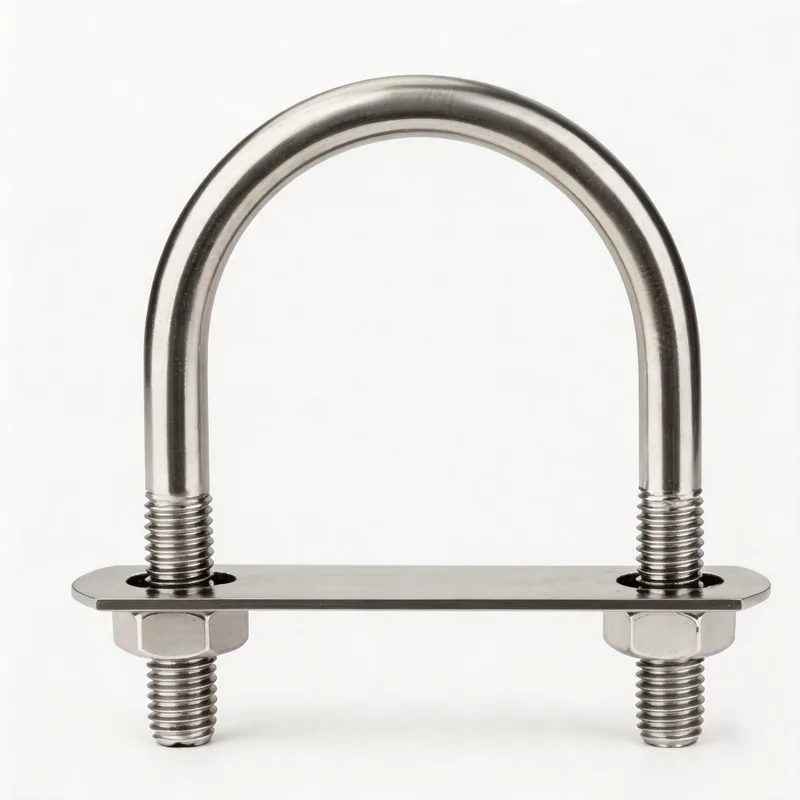
Typical use cases
- Always lubricate stainless steel bolt threads before assembly — dry tightening invites galling
- Reduce tightening speed — slow, steady rotation generates less friction heat
- Adjust torque values downward when anti-seize is applied (typically 15–25 % reduction)
- Consider wax-patched or PTFE-coated stainless bolts to eliminate field lubrication steps
Anti-seize types for stainless steel pipe clamp bolts
| Anti-seize type | Temperature range | Typical torque reduction | Notes |
|---|---|---|---|
| Molybdenum disulfide (MoS₂) | −40 to +450 °C | ~20 % | Good general-purpose; dark colour may mark surroundings |
| Copper-based paste | −30 to +1100 °C | ~20–25 % | Avoid in food/pharma (copper contamination risk) |
| PTFE-based paste | −30 to +260 °C | ~15–20 % | Clean, white; suitable for food/pharma/cleanroom |
| Wax patch (factory-applied) | −20 to +120 °C | ~15 % | No field application needed; single-use — reapply after disassembly |
Torque reduction percentages are approximate and vary by product and manufacturer. Always follow the anti-seize manufacturer's specific recommendation for the bolt size and grade in use.
What is galling and why does it happen
Galling is a form of adhesive wear. When two stainless steel surfaces slide against each other under high contact pressure — such as a bolt thread rotating inside a nut — the protective oxide layer is broken. The exposed bare metal surfaces cold-weld to each other at asperity contact points, tearing material from one surface and transferring it to the other. The transferred material creates a lump that increases friction, which generates more heat, which breaks more oxide, which creates more cold-welding — a self-accelerating cycle that can seize the joint completely within a fraction of a bolt turn. Austenitic stainless steels (304 and 316, the grades used in A2 and A4 fasteners) are particularly prone because they are soft relative to carbon steel, they work-harden rapidly under shear, and their oxide film is thin. Carbon steel bolts gall far less often because they are harder and their oxide layer (rust) acts as a natural dry lubricant.
Prevention method 1: anti-seize lubrication
The most effective and widely used prevention is to lubricate the bolt threads and the bearing surface under the bolt head with anti-seize compound before assembly. Anti-seize pastes contain metallic or non-metallic particles (molybdenum disulfide, copper, nickel, aluminium or PTFE) suspended in a grease carrier. These particles fill surface irregularities and act as a barrier between the mating stainless steel surfaces, preventing the metal-to-metal contact that initiates galling. Apply a thin, even film — a heavy application wastes material and can drip onto surfaces where it is not wanted. Apply to the bolt threads, not the nut threads — the bolt is easier to access and the paste transfers to the nut during engagement. For pipe clamp assemblies, apply anti-seize during initial installation and again whenever a bolt is removed and re-installed for inspection, rerouting or clamp replacement.
Prevention method 2: tightening speed and technique
Fast tightening with power tools is the leading cause of stainless steel bolt galling in the field. High-speed rotation generates friction heat that softens the oxide layer and promotes adhesion. Use a hand wrench or a slow-speed power tool when tightening stainless bolts. If an impact wrench is used (common in shipyards and on construction sites), use the lowest effective speed setting and stop immediately if resistance increases suddenly — a sudden spike in resistance is the first sign of incipient galling. Tighten in smooth, continuous strokes rather than short, jerky movements that create impact loading on the thread flanks. For pipe clamp bolts, hand-tighten to snug contact first, then apply the final torque with a calibrated torque wrench in a single, slow pass.
Prevention method 3: factory-applied coatings
Factory-applied anti-galling coatings eliminate the need for field lubrication and ensure consistent coverage. The two most common options are wax patches (a dry wax pellet applied to the thread during manufacturing) and PTFE coatings (a thin fluoropolymer layer baked onto the thread or nut). Wax patches are single-use — once the bolt is tightened and the wax is displaced, it must be reapplied if the bolt is removed and reinstalled. PTFE coatings are more durable and can survive multiple assembly cycles, but they cost more. When specifying stainless pipe clamp hardware for projects with large bolt counts (shipbuilding, offshore platforms, large industrial plants), factory-coated bolts are more reliable and often cheaper overall than depending on field crews to apply anti-seize correctly on every bolt.
Torque adjustment when using anti-seize
Standard bolt torque tables assume a specific friction coefficient — typically 0.12 to 0.18 for dry, unlubricated stainless steel. Anti-seize compound reduces the friction coefficient to approximately 0.08 to 0.12, depending on the product. If the standard dry torque is applied with anti-seize present, the actual bolt preload will be higher than intended — potentially exceeding the proof load of the bolt or crushing a PP or PA clamp body. When anti-seize is used, reduce the applied torque by the percentage recommended by the anti-seize manufacturer, typically 15–25 %. If no specific recommendation is available, a 20 % reduction from the dry torque value is a conservative starting point. Record whether anti-seize was used and which product was applied, so that future retorquing uses the same basis.
What to do when a bolt has already galled
If a bolt seizes during tightening, stop immediately — continuing to apply torque will shear the bolt or damage the clamp body. Do not attempt to reverse the bolt with an impact wrench; this often worsens the cold weld. Instead, try applying penetrating oil or releasing agent to the exposed thread and waiting several minutes, then attempt slow, oscillating rotation (quarter-turn forward, quarter-turn back) with a hand wrench. If the bolt does not free after two or three attempts, it must be cut or drilled out. Use a bolt extractor, nut splitter or a cutting disc — not a torch on stainless steel, which risks sensitisation and corrosion in the heat-affected zone. Replace both the bolt and the nut — a nut that has galled once has damaged threads that will gall again. Discard the damaged fasteners; do not clean and reuse them.
Related WeiQue series


Recommended reading
References
These pages summarize public standard metadata and industry application information. They do not reproduce the paid DIN standard text.